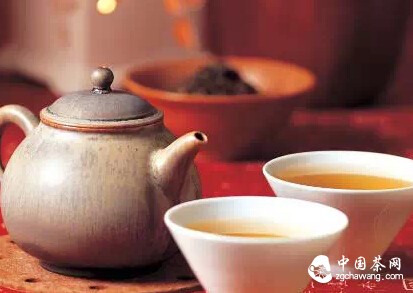
As winter arrives, while we increase our food intake to generate heat and resist the cold, we should not overlook the need to regulate and nourish our bodies merely to satisfy our appetites. "Tea" has been considered a premium health-preserving product since ancient times, with different teas offering distinct benefits for the human body in different seasons. In the cold winter, a cup of hot tea not only drives away the chill but also enhances physical health. For winter health preservation, try these recommended teas.
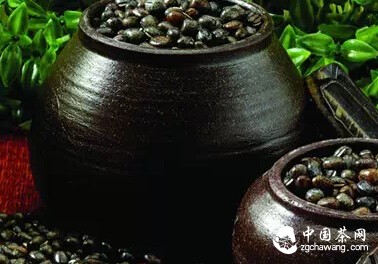
Black Bean Tea
Black beans combat aging. According to "Compendium of Materia Medica," black beans are effective in delaying aging and treating lower back and knee pain. Additionally, women seeking to nourish their kidneys or darken their hair can regularly drink this tea. The nutritional value of black beans is comparable to that of soybeans, while their medicinal value is higher. Consuming this tea during the later stages of menstruation or when menstrual flow is light can help care for a weakened body. This blood-activating and body-nourishing tea is difficult to digest, so individuals with poor digestion, high uric acid, or gout should avoid excessive consumption.
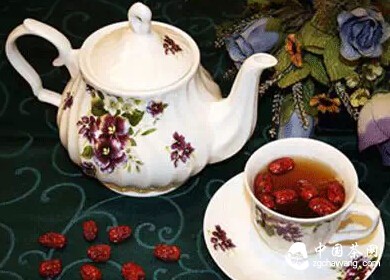
Jujube Tea
Jujubes enhance physical strength and muscle power. They contain cyclic adenosine monophosphate, which dilates coronary arteries and strengthens myocardial contraction. They also contain components like maslinic acid, which have cancer-inhibiting effects. Jujubes contain sugars, organic acids, proteins, and vitamins A, B, and C. They are mild in nature and sweet in taste, benefiting the spleen and stomach, and are used for spleen and stomach weakness. Jujubes have a high sugar content and generate substantial heat, making them particularly suitable for consumption in winter.
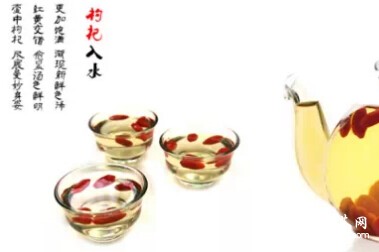
Goji Berry Tea
Goji berry tea has therapeutic effects such as reducing fever, treating diabetes, and relieving coughs and phlegm. Additionally, it addresses conditions like constitutional coldness, sexual coldness, stomach issues, liver and kidney diseases, tuberculosis, constipation, insomnia, low blood pressure, anemia, various eye diseases, hair loss, stomatitis, and skincare. The medicinal efficacy of goji berry tea is extensive, and long-term consumption of goji berries or goji berry tea has no side effects.
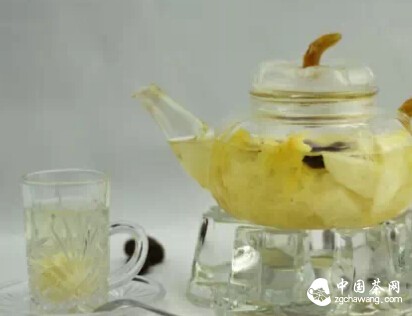
Snow Fungus Tea
Snow fungus is a dual-nourishing product (yin and yang). Its mild nature makes it suitable for the elderly, weak, women, children, and those recovering from serious illnesses, without concerns about intolerance due to deficiency. Snow fungus excels at moisturizing the lungs and nourishing yin, making it useful for dry coughs, asthma, tracheitis, bronchitis, autumn dryness, and chapped lips and skin. This health-preserving tea helps moisturize the lungs and has phlegm-reducing and cough-relieving effects.
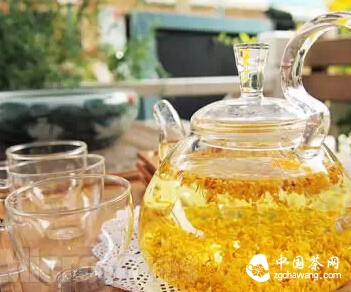
Osmanthus Tea
Traditional Chinese medicine considers osmanthus to have significant medicinal value. Ancient texts state that osmanthus is the leader among hundreds of herbs, and wine brewed with osmanthus can "extend life for a thousand years." Osmanthus is warm in nature and pungent in taste, entering the lung and large intestine meridians. Taken as a decoction, tea, or infused wine, it warms the middle, dispels cold, warms the stomach, relieves pain, and reduces phlegm and stasis. It is effective for poor appetite, phlegm cough, hemorrhoids, dysentery, and amenorrhea pain. Many patients with stomach issues experience cold pain in winter; drinking osmanthus tea at this time can effectively alleviate symptoms.