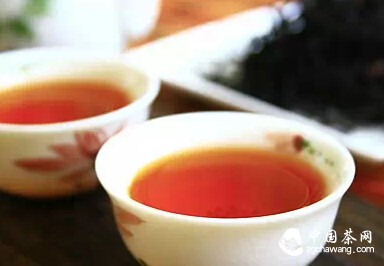
In the cold winter, it is the perfect time to drink black tea. A cup of black tea, with its rich aroma and fresh, sweet taste, is simply irresistible. However, with so many varieties of black tea, how should one choose? Follow your taste buds! First, explore the flavors of black tea with this guide, then make your selection.
China has a wide range of black tea producing regions and many varieties, generally categorized into Gongfu Black Tea, Xiaozhong Black Tea, and Broken Black Tea. Black tea is widely consumed due to its characteristics such as dark brown and glossy appearance, sweet and rich aroma, mellow and fresh taste, bright red and translucent liquor, and evenly reddish leaves. As a fully fermented tea, during processing, tea polyphenols oxidize into theaflavins and thearubigins, while most carbohydrates hydrolyze into soluble sugars, creating the distinctive aroma and taste of black tea.
Compared to other tea types, black tea generally excels in preventing cardiovascular diseases. From a traditional Chinese medicine perspective, black tea is warm in nature and helps warm the stomach, making it suitable for those with cold constitutions and the elderly.
1. Xiaozhong: The Sweetest, Most Fragrant, with a Full-Bodied Liquor.
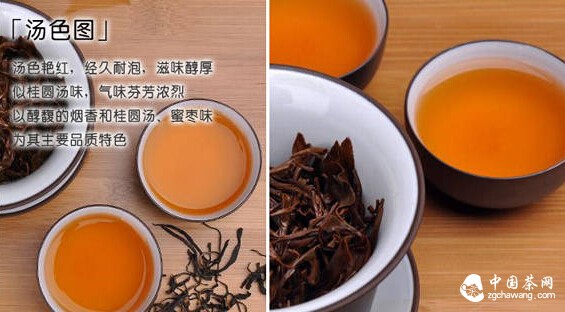
Those new to black tea often find Xiaozhong "the most delicious" and a great choice for beginners. Regarding price, cheaper varieties tend to have a stronger, more complex taste, while more expensive ones are mellow and smooth. However, newcomers might not immediately appreciate this nuance and may prefer the straightforward sweetness of cheaper Xiaozhong.
2. Dianhong: Affordable, with a Pleasant Taste.
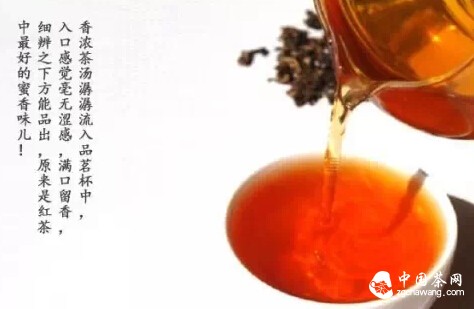
Dianhong is not as sweet as Xiaozhong but is rich, mellow, and has a certain robustness, making it quite enjoyable. Some tea lovers even start with Dianhong, becoming so fond of its intensity that they are reluctant to try other black teas. This is a bit of a pity, and their preference for Dianhong differs from those who transition from Xiaozhong.
3. Keemun: The Most Authentic Tea Taste.
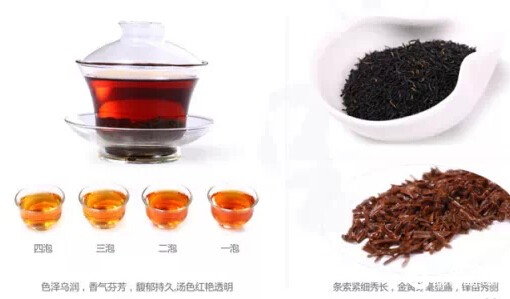
Keemun's appeal is not as immediate as Xiaozhong or Dianhong; it may seem plain at first. Therefore, beginners might want to avoid it initially, as they might not appreciate its qualities and could form a negative impression. Keemun's characteristics are quite distinct: a wonderful aroma, a substantial mouthfeel, and a very authentic tea taste.
First, let's talk about the "Keemun fragrance." Unlike teas whose aroma can be detected from afar, Keemun's fragrance is best appreciated by bringing the cup to your nose. Yet, even when doing so, many other black teas lack this particular scent, or if they have it, it's not as delightful. Regarding the substantial mouthfeel, for comparison, Dianhong is known for its intensity, but when tasted alongside Keemun, it might seem bland in comparison. Once accustomed to Keemun, it can be hard to rediscover Dianhong's original robust character.
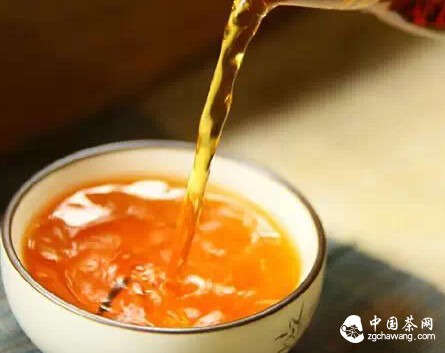
The "authentic tea taste" of Keemun is somewhat hard to explain. Firstly, its full-bodied flavor is free of any off-tastes. Secondly, the tea taste is concentrated and not diffuse. One can easily guess that with Keemun's authentic taste, substantial body, and pronounced aroma, it would make excellent milk tea. Therefore, newcomers can try making milk tea with Keemun and compare it with versions made from Xiaozhong or Dianhong. This can also help indirectly understand their respective characteristics.