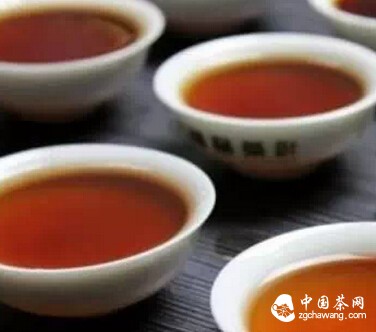
It is often said, "No bitterness, no astringency, no tea." Bitterness and astringency are the original flavors of tea, and the ancient name for tea as "bitter tea" has long been confirmed. However, tea connoisseurs are certainly not savoring the bitterness and astringency but rather the returning sweetness and saliva-inducing effect brought by the tea, experiencing the impact of the tea soup on the taste buds. The returning sweetness and salivation of tea originate from its bitterness and astringency.
1. The Main Components of Tea and the Composition of Tea Soup Flavors
The main components in tea include amino acids, alkaloids, and tea polyphenols. Amino acids, which have a fresh and refreshing taste, are important components constituting the flavor of tea soup; the main component of alkaloids, caffeine (also known as theine), has a bitter taste and is also an important component of tea soup flavor; the main component of tea polyphenols, catechins (also known as tea tannins), have bitter, astringent tastes and收敛性, and are also important components of tea soup flavor.
2. Explanation of the Taste Transformation from Bitterness/Astringency to Returning Sweetness and Salivation in Tea Soup
The main substances forming the bitter taste in tea soup are caffeine and tea tannins. The main substance forming the astringent taste in tea soup is tea tannins.
The bitterness of caffeine does not linger long on the tongue; it dissipates quickly. This bitterness is the foundation of "returning sweetness." When the bitter substances no longer linger on the tongue and dissipate, they can cause a change in taste perception, creating a taste "illusion" that presents as returning sweetness. This illusion should be a reflection of human instinctual needs. Fortunately, tea tannins can slow down the effects of caffeine, allowing this instinctual illusion to remain in the mouth and on the tongue. The often-heard phrases "tea addiction" or "getting hooked on tea" stem from this reason.
The astringent sensation in tea soup is because it contains tea tannins, which have a收敛 effect, causing proteins in single-celled microorganisms in the mouth to coagulate, thereby causing local muscles in the mouth to contract. When the bitter and astringent taste of tea tannins dissipates and the收敛性 transforms, the local muscles in the mouth begin to recover, presenting a sensation of salivation.
If the收敛性 of tea tannins is too strong, the intense astringency strongly stimulates the taste buds, lingering unpleasantly on the tongue. Often, astringency accompanies bitterness, making it uncomfortable. This bitterness and astringency are largely formed due to improper processing of the tea leaves and represent a significant flaw for the tea. The physicochemical properties of caffeine are relatively stable and基本上 remain unchanged during tea processing. In tea soup, the combination of tea tannins and caffeine moderates the physiological effects of caffeine on the human body. Tea tannins can slow down and prolong the stimulating effects of caffeine. The often-heard phrases "tea refreshes the mind" and "dispels drowsiness" stem from this reason.
3. The Taste of Tea Soup and Differences in Personal Evaluation
The main flavor substances in tea soup are amino acids, alkaloids, and tea polyphenols. Differences in the content of these three flavor substances lead to variations in the overall taste.
The bitterness/astringency and returning sweetness/salivation in tea soup are intertwined and inseparable, much like the concept of mutual generation and restraint in the Five Elements theory. Without generation, things cannot occur and grow; without restraint, things have no constraints and cannot maintain normal协调 relationships. Only by maintaining a dynamic balance of mutual generation and restraint can things develop normally.
When we drink tea, we cannot determine the content of the three flavor substances—amino acids, alkaloids, and tea polyphenols—let alone determine the proportional ratio these three should follow. There is a personal sensory evaluation criterion: if there is bitterness upon entry, it should be acceptable to one's personal taste, and the bitterness should not linger long on the tongue but dissipate and turn into returning sweetness; if there is astringency upon entry, it should not stick to the palate, teeth, or lips, and the astringency should not linger long on the tongue but transform and induce salivation.
What we often refer to as personal taste is actually a subjective feeling, a comprehensive subjective perception formed by the stimulation of the tea soup on one's sense of taste, smell, and touch. Therefore, tea appreciation also varies from person to person.
Good tea is when the strong, fresh, and refreshing original essence of the tea soup overshadows its bitterness and astringency, and the bitterness and astringency transform without one even noticing. But this lack of awareness lies in human subjective perception. The often-heard phrase "good tea requires缘分 (fate/affinity)" stems from this reason.