Many tea enthusiasts may often wonder when purchasing and brewing tea leaves: what are those white or golden-yellow hairs attached to the dry tea leaves, as well as the small fuzz floating on the tea soup when brewing? What is the relationship between these hairs and the formation of tea quality?
In fact, these hairs all originate from the tender shoots of the tea tree and can also be called tea fuzz. The fuzz on tender shoots is not only a manifestation of the tea plant variety characteristics but also plays an important role in the appearance of the tea leaves. At the same time, it can enhance the quality of the tea soup and increase the economic value of the tea. Buds and leaves with abundant fuzz are a sign of tenderness and high quality; the amount and visibility of fuzz on the finished tea is also one of the important factors in evaluating the quality of tea. Therefore, tea tree fuzz has always received widespread attention from tea producers and consumers.
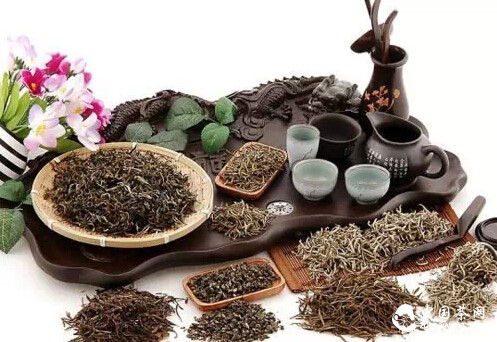
1. Morphological Characteristics of Tea Fuzz
The fuzz on the back of the leaves is a characteristic of the tea plant variety. The length, density, thickness, color, and distribution characteristics of the fuzz on tender shoots vary depending on the variety. The fuzz is mainly located on the lower epidermis of young buds and leaves and contains rich chemical components. The base of the fuzz has glandular cells that secrete aromatic substances, which can release fragrant compounds. Therefore, young buds and leaves with more fuzz often produce teas with a distinctive "hairy aroma" (hao xiang).
The fuzz is densest on the bud and falls off naturally as the young leaves mature. For the same variety, the length of fuzz on the leaf back varies depending on the leaf order. The density of fuzz on different young leaves follows: 1st leaf > 2nd leaf > 3rd leaf, with extremely significant differences.
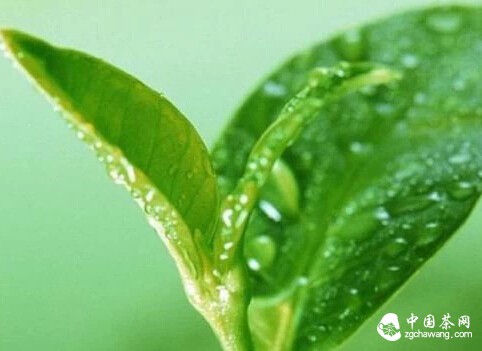
Tea tree fuzz is distributed not only on the young buds and leaves at the top of new shoots but also commonly on the backs of mature leaves, young branches, flower buds, flower buds, and other organs. As the new shoots continue to elongate and the surfaces of various tissues such as young leaves expand, the density of fuzz on the back of young leaves, young stems, flower buds, and other parts gradually becomes sparse.
In spring, as temperatures rise and leaf buds begin to sprout, the fuzz gradually grows. By the time the bud expands, the fuzz has reached a certain length, and the leaves have not yet unfurled, resulting in a high density of fuzz. Therefore, the plucking standard for many famous teas focuses on tea buds, one bud with one leaf, or one bud with two leaves. During processing, there is often a "ti hao" (raising the fuzz) step to fully bring out the characteristics of the tea fuzz.
2. Tea Fuzz and the Appearance of Dry Tea
Fuzz plays a crucial role in enhancing the appearance of many famous teas. Gongfu black tea, baked green tea, white tea, and many other famous teas require visible fuzz. For example, high-grade Keemun (Qihong) and Dianhong are known for their golden fuzz; Huangshan Maofeng, Dongting Biluochun, and Xinyang Maojian are known for their white fuzz; Junshan Yinzhen, Mengding Huangya, Huoshan Huangya, etc., are known for their yellow-golden fuzz; Baihao Yinzhen and Baimudan are famous for their silver fuzz. The high-grade Taiwanese famous tea, Dongding Oolong, also often has abundant fuzz. Fujian Oolong tea generally does not show much fuzz, but Oolong tea made from the Maoxie variety also shows fuzz, and its quality is excellent.
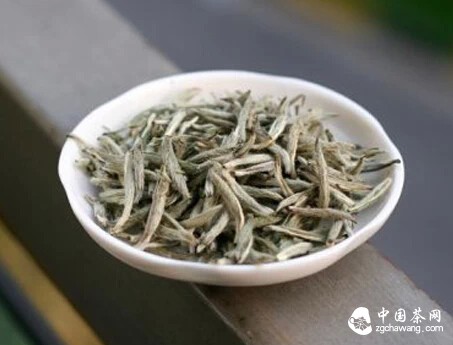
The color of the dry tea fuzz is closely related to changes in internal compounds during the tea processing. In green tea, most of the tea polyphenols are not oxidized. Unoxidized tea polyphenols are colorless, so the color of the fuzz on young buds and leaves is usually white, as seen in famous teas like Biluochun. Black tea is different; most of the tea polyphenols have been oxidized into yellowish-red theaflavins and thearubigins. Therefore, black tea made from young buds and leaves has golden-yellow fuzz, such as high-grade Keemun black tea, which is rich in golden fuzz.
3. Tea Fuzz and the Flavor Quality of Tea
Tea fuzz is rich in quality components such as tea polyphenols, amino acids, caffeine, etc., and has an important impact on the formation of the flavor quality of dry tea. Teachers from Fujian Agriculture and Forestry University once separated the tea body and the fuzz of Baihao Yinzhen (Silver Needle white tea) by sieving and measured the biochemical characteristics of the fuzz and the tea body separately.
The content of tea polyphenols, caffeine, water extract, and other components in tea fuzz was significantly lower than that in the tea body, while the amino acid content was significantly higher than that in the tea body. The fuzz on tea tree tender shoots has the characteristics of high amino acid content and a low polyphenol-to-amino-acid ratio, playing an important role in the formation of tea flavor quality.
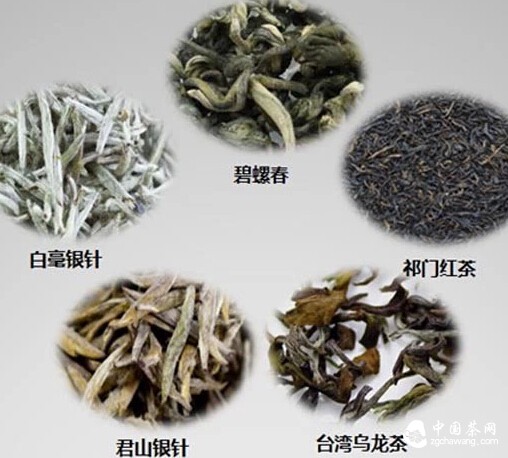
The density and length of fuzz are positively correlated with the scores of various quality factors of green tea, with the relationship between fuzz and the appearance of green tea being the closest. During green tea processing, after fixing (kill-green) and rolling, some of the fuzz falls off and adheres to the surface of the tea leaves. When the finished tea is brewed, the tea fuzz dissolves into the tea soup. Because the fuzz is rich in amino acids and other effective components, it enhances the aroma and taste of the tea soup. The mellow taste and high aroma of high-grade famous teas (such as Biluochun, Junshan Yinzhen, etc.) are due not only to the tenderness and rich content of the fresh tea leaves but also largely to the abundance of fuzz.
The density and length of fuzz are positively correlated with various quality factors of black tea, and the relationship between fuzz and the aroma and taste of black tea is close. During black tea processing, after withering and rolling, the cells are broken, and the polyphenols in the fuzz are oxidized by polyphenol oxidase into theaflavins and thearubigins, turning the white fuzz into "golden fuzz," which is one of the important characteristics of high-quality black tea. When the tea soup is brewed, the tea fuzz absorbs water and expands, and its effective components dissolve into the tea soup, improving the quality of the black tea.
For most types of tea, having abundant fuzz on buds and leaves is a quality characteristic. Young buds and leaves with more fuzz often produce teas with a distinctive aroma, and dry tea with more fuzz tends to have a higher freshness. However, the amount of fuzz on tea leaves is not the only criterion for judging the quality of tea. The quality of tea is the result of the combined effect of many factors, not just the fuzz or tenderness of the tea leaves. Having abundant or visible fuzz is one of the characteristics of certain dry tea products. We can appreciate it, but there is no need to overly pursue it.