Tired of the common varieties and eager for something different? It should be visually distinctive from the start, with a character that's exceptionally proud and uncommon. While choosing tea isn't quite like selecting imperial consorts, tea drinkers can be as discerning as an emperor. Let's take a look with the editor.
Purple tea is a rare variety among Yunnan large-leaf tea trees. Its fresh leaves are purplish-red, the dried tea appears dark green, and after brewing, it transforms into a bluish-green infusion, earning it the name 'Three-Color Tea' among ethnic minorities in the Pu'er tea region.
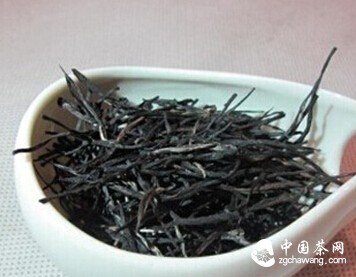
Zijuan tea, purple bud tea, and purple tea have been highly sought after by tea drinkers for years. They generally refer to a type of finished tea where the dry leaves show a dark purple color, and the brewed tea soup is also dark purple. It has a green tea-like taste, with some bean, chestnut, or fresh olive notes.
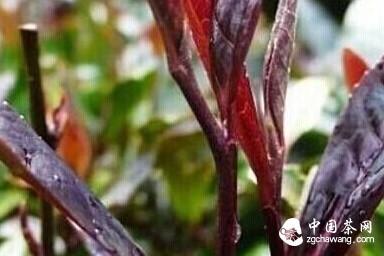
The purple soup color and purple leaf base of Zijuan tea come from processing purple fresh leaves, specifically using green tea processing techniques. Tea made from purple buds and leaves has higher anthocyanin and caffeine content compared to normal leaves of the same grade, resulting in a much more bitter taste but also stronger health benefits. Tea drinkers should not blindly chase purple tea; they can adjust brewing to their preference and constitution, making it lighter, similar to brewing raw Pu'er tea.
As a scarce variety, brewing Zijuan requires particular attention. Incorrect methods will fail to produce its characteristic soup color, and the tea's flavor quality will be greatly diminished. Below are some brewing techniques that are very useful!
Zijuan Tea Brewing Method:
The quality of the Zijuan tea leaves themselves is the foundation of a good brew. If the tea is poor, even the most skilled techniques won't help.
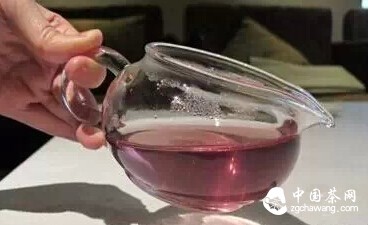
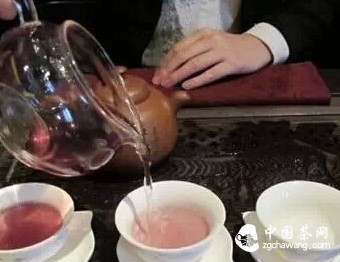
First, water temperature: Zijuan differs from other Pu'er teas. Try to control the water temperature between 85-90°C (185-194°F) to achieve a light purple infusion. If the water is too hot, the color will turn yellow. So, when brewing Zijuan, it's crucial to control the temperature. You can boil the water, pour it into a fairness cup, let it cool for about a minute, then use that water for brewing.
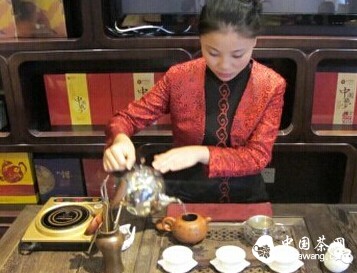
Generally, use no more than 5 grams of tea leaves. After adding hot water, avoid over-steeping. The first infusion is for rinsing: steep for 5 seconds, pour the tea into the pitcher to warm the cups. The second infusion: steep for 5 seconds, pour into the pitcher, then serve for tasting. For the third infusion and beyond, adjust the steeping time based on personal taste preference for strength. As brewing methods, regional water quality, and personal tastes vary, finding the method you prefer is the best method.
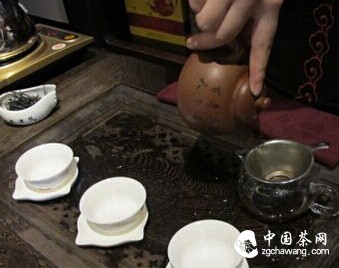
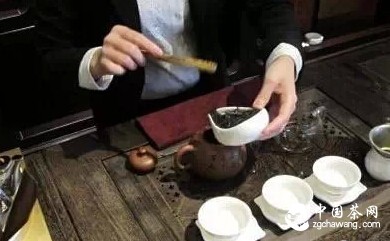
Zijuan has a very pleasant aroma with a special floral note. Once brewed, its fragrance fills the air, refreshing the heart and mind. The soup color is a light, bright purple, with indigo-green brewed leaves. The bitterness upon tasting is very low, with moderate astringency. The soup body is relatively thick, smooth with a glutinous feel. A single sip leaves a lingering fragrance in the mouth, creating a sense of peace and exhilaration—truly a rare treasure!
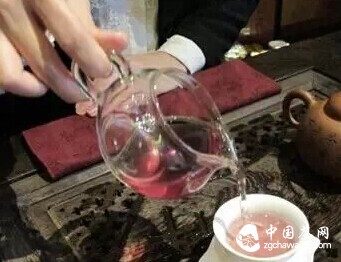
Another characteristic of Zijuan is its excellent durability for multiple infusions—it can be brewed around 10 times with little change in soup color and stable taste. Although the aroma gradually diminishes, the glutinous feel remains consistent. It's worth noting that the soup color slowly turns redder upon oxidation when exposed to air, so the color of cooled tea differs from hot tea. Therefore, it's best to drink it promptly!
The brewed leaves of Zijuan are relatively slender, including the stems, with a dark purple hue and good glossiness. Zijuan has light bitterness and astringency, with a very good sweet aftertaste and a smooth, sweet flavor.