To brew an excellent pot of Pu-erh tea, brewing technique is very important. Brewing Pu-erh tea first requires choosing good tea utensils. The teapot should be a purple clay or ceramic pot with a large belly. Among purple clay pots, those that are round-bodied, thick-walled, coarse-grained, and have smooth water flow are considered superior. This is because the double-pore structure inside purple clay pots gives them good breathability, preventing the tea flavor from being lost during brewing and better preserving the aroma and taste of Pu-erh tea. Furthermore, Pu-erh tea is simple and restrained, and the form of such pots harmonizes well with the unique charm of Pu-erh tea. For tasting cups, porcelain or glass is recommended, allowing observation of the liquor's color while being elegant. For lidded bowl tea sets, porcelain from Jingdezhen is suitable, with thinner-bodied pieces being preferable. For brewing Pu-erh tea in the office, a飘逸杯 (Piao Yi Cup) can be used. The飘逸杯 is a tea utensil specifically designed for drinking Pu-erh tea—a glass cup with a filter. Its advantage lies in the simplicity and convenience of brewing and drinking, easy control of the tea liquor's strength, and convenient filtration.
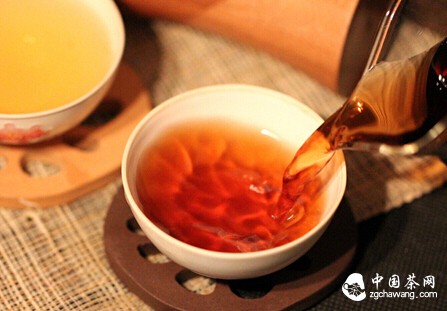
A tea knife is a specialized tool for brewing compressed Pu-erh tea (such as tuo cha, seven-son cake tea, brick tea, melon tea, etc.). It's best to have a tea knife if you frequently brew and drink compressed Pu-erh tea, as compressed tea is tightly packed and difficult to break apart by hand, easily crumbling. Using a tea knife to gently pry and separate the tea cake, brick, etc., along its grain into thin pieces is convenient for tea leaves to infuse and release their liquor and also helps maintain the tea leaves' integrity.
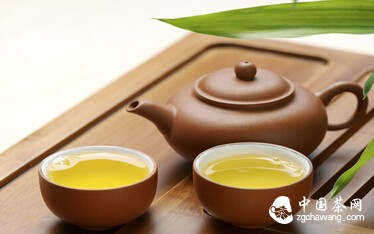
After preparing the tea utensils, water selection is needed. Since ancient times, there have been many records about evaluating tea and selecting water. Xu Cishu of the Ming Dynasty wrote in "Cha Shu" ("Tea Manual"): "Fine tea holds fragrance, which is released with the help of water. Without water, one cannot discuss tea." Fine tea requires good water to match, so they complement each other perfectly. The ancients divided suitable water into two major categories: water from heaven and water from earth. Water from heaven, also called "rootless water," includes rain, snow, frost, dew, and hail. Water from earth, in order of preference, includes spring water, river water, creek water, lake water, and well water. In our daily lives, the water used for brewing tea should原则上 be soft water, such as purified water, mineral water, etc. Tap water can also be used, but it's best to let it settle first to reduce the smell of bleach. It is essential to note that water for brewing tea must be clean, sanitary, and meet drinking water requirements.
The water temperature for brewing tea greatly affects the aroma and taste of Pu-erh tea liquor. "Boiling mountain spring water," the ancients determined the suitable water temperature for brewing tea by the sound of pine waves emitted when boiling water. Pu-erh tea requires brewing with boiling water at 100°C. To make the fragrance more mellow and pure, it is necessary to first rinse the tea (also called "washing the immortal's face"), meaning the first pour of boiling water should be immediately poured out. After pouring out the water, you can smell the aroma of the wet leaves. If the aroma is not pure enough, you can repeat the warming rinse once. Pu-erh tea generally requires warming/rinsing 2 to 3 times before formal brewing. Because Pu-erh tea is stored for long periods, it难免 collects dust. Rinsing not only removes miscellaneous flavors and cleans the tea leaves but also serves to warm and awaken the tea. However, the rinsing process must be very quick to avoid affecting the taste of the tea liquor.
The amount of tea leaves added can depend on the pot's volume and personal taste. Those who prefer stronger tea can适当 add more. For a small pot for two people, generally 5 to 7 grams of tea leaves and 150 ml of water are suitable, with a tea-to-water ratio between 1:50 and 1:30.
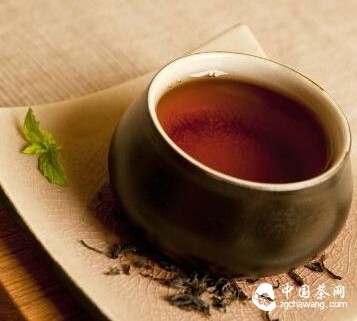
The first brewing time should be about one minute before pouring the tea liquor into the cup. As the number of infusions increases, the brewing time can gradually be extended. However, the specific brewing time should still be flexibly adjusted according to the desired strength of the tea liquor. Some Pu-erh teas release their liquor slowly, requiring 2 to 3 infusions before the rich and fragrant tea liquor appears.
Pu-erh tea is more耐泡 (endures more infusions) than ordinary tea leaves, generally allowing for 10 to 20 or more consecutive infusions until the liquor becomes very weak. Each time, the water for infusion should be poured out within an appropriate time, and the tea liquor should be strained as much as possible. Add water for the next infusion only when ready to drink again. Avoid prolonged soaking to prevent affecting the color, aroma, and taste of the tea liquor. When not drinking temporarily, strain the tea liquor and open the lid of the pot.