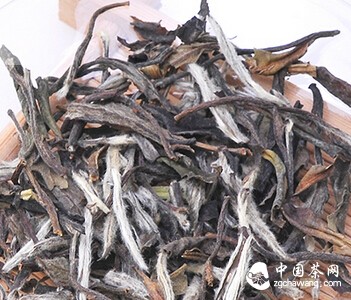
Aged White Tea
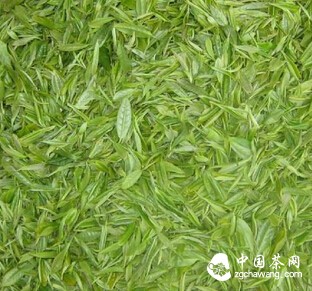
New White Tea
Aged white tea is not only used as a medicinal guide in modern traditional Chinese medicine prescriptions, but its benefits become more pronounced with age, surpassing those of new tea. To better distinguish Fuding aged white tea from new tea, here are simple differentiation methods.
1. Distinguishing by Appearance and Tea Aroma
In terms of appearance, aged Fuding white tea appears dark brown and dull overall, yet some white hairs can still be discerned on the tea leaves. When gently sniffed, it reveals a deep, aged fragrance with a strong, clear "hao" aroma that is not muddy, instantly refreshing the mind. New tea generally refers to spring tea harvested before the Qingming festival of the current year, including varieties like Baihao Yinzhen and White Peony. The leaves are brownish-green or gray-green, needle-shaped, and covered with white hairs. Tea picked in March, in particular, has richer white hairs on the leaf undersides and buds compared to tea from other seasons. Well-crafted, high-quality white tea must have a distinct "hao" aroma, accompanied by a fresh sweetness and the grassy note of raw tea leaves.
2. Differences in Tea Liquor and Aroma
Brew Fuding aged white tea and new tea with water at 90–95°C. Pour the tea liquor into small porcelain cups, then proceed to smell the aroma and taste. Aged white tea has a subtle, elegant aroma with a hint of "hao" scent. The first infusion carries a light medicinal fragrance, which can be refreshing within seconds. The taste is mellow and sweet, filling the mouth. New tea has a delicate "hao" aroma with a fresh, brisk flavor. The taste is relatively light, carrying the raw leaf character of tea greens, offering a clean sweetness and pleasant aftertaste, with an overall delightful tea fragrance. The liquor color of aged white tea is deeper than the apricot yellow typical of new tea.
3. Tea Brewing Endurance
Aged white tea is quite resistant to brewing. It can help dispel wind-cold and, with ordinary brewing methods, can withstand over twenty infusions while still maintaining good flavor towards the end. If possible, it can be boiled. Brewing aged white tea in a purple clay pot best reveals its charm and essence. New tea can be brewed according to personal preference. A high-quality new tea should offer at least seven enjoyable infusions.