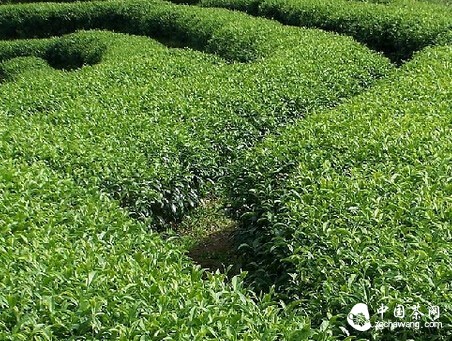
In a broad sense, tea culture is divided into two aspects: the natural science of tea and the humanities of tea. It refers to the total sum of material and spiritual wealth related to tea created by human society in the course of historical practice. The tea culture introduced in this article focuses on the humanities aspect of tea.
I. The Enlightenment of Tea Culture Before the Three Kingdoms Period
Many classical texts date the discovery of tea to 2737–2697 BCE, tracing its history back to the era of the Three Sovereigns and Five Emperors. Hua Tuo of the Eastern Han Dynasty wrote in his Shijing: "Drinking bitter tea for a long time benefits the mind." During the Western Han Dynasty, the county where tea was produced was named "Chaling," which is present-day Chaling in Hunan. By the Wei Dynasty of the Three Kingdoms period, the Guangya recorded the earliest method of making and drinking compressed tea cakes: tea leaves were picked and pressed into cakes in the Jingba region; older leaves were made into cakes and mixed with rice paste. Tea, in its material form, began to permeate other humanities disciplines, giving rise to tea culture.
II. The Germination of Tea Culture in the Jin and Southern and Northern Dynasties
With the rise of tea drinking among literati, poems and songs about tea gradually emerged. Tea had moved beyond being a mere dietary item and entered the cultural sphere, becoming a form of spirit and art.
III. The Formation of Tea Culture in the Tang Dynasty
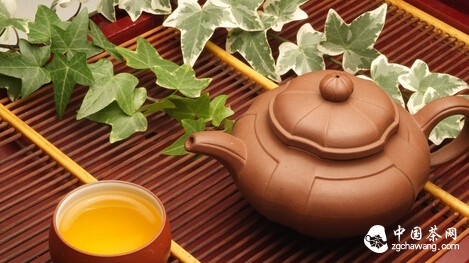
In 780 AD, Lu Yu wrote The Classic of Tea, marking the formation of Tang Dynasty tea culture. It summarized both the natural and humanistic aspects of tea, explored the art of tea brewing, and integrated Confucianism, Taoism, and Buddhism into tea drinking, pioneering the spirit of Chinese tea ceremony. Subsequently, a large number of tea books and tea poems appeared, including Discourse on Tea, Record of Boiling Tea Water, Notes on Tea Picking, and Sixteen Soups. The formation of Tang tea culture was closely related to the rise of Zen Buddhism. Because tea has the functions of refreshing the mind and quenching thirst, temples advocated tea drinking, planting tea trees around temple grounds, establishing tea rituals, setting up tea halls, and selecting tea masters to oversee tea activities. The Chinese tea ceremony formed during the Tang Dynasty was divided into court tea ceremony, temple tea rituals, and literati tea ceremony.
IV. The Prosperity of Tea Culture in the Song Dynasty
By the Song Dynasty, the tea industry had developed significantly, promoting the development of tea culture. Professional tea-tasting societies emerged among literati, such as the "Soup Society" composed of officials and the "Ganren Society" of Buddhist monks. Song Taizu, Zhao Kuangyin, was a devoted tea drinker. He established tea affairs offices in the court and classified court tea by grade. Tea rituals became part of court etiquette, and granting tea became an important means for the emperor to win over ministers, show favor to relatives, and honor foreign envoys. In lower-class society, tea culture was even more vibrant: when someone moved, neighbors offered "presentation tea"; when guests arrived, "ingot tea" was served; engagement required "betrothal tea"; marriage required "wedding tea"; and wedding night required "union tea."
V. The Popularization of Tea Culture in the Ming and Qing Dynasties
By the Ming and Qing dynasties, various tea types such as steamed green, pan-fired green, and baked green had appeared. Tea drinking had changed to the "steeping method." Many Ming Dynasty literati left behind enduring works, such as Tang Bohu's Scroll of Tea Brewing and Tea Tasting Picture, and Wen Zhengming's Record of the Huishan Tea Gathering, Lu Yu Brewing Tea, and Tea Tasting Picture. With the diversification of tea types, brewing techniques varied, and tea ware styles, materials, and patterns became diverse. By the Qing Dynasty, tea export had become a formal industry, and the number of tea books, tea events, and tea poems was countless.
VI. The Development of Modern Tea Culture
After the founding of New China, China's tea production increased from 7,500 tons in 1949 to over 600,000 tons in 1998. The great increase in tea material wealth provided a solid foundation for the development of tea culture. In 1982, the first social organization dedicated to promoting tea culture—the "Tea Lovers' Home"—was established in Hangzhou. In 1983, the "Lu Yu Tea Culture Research Association" was founded in Hubei. In 1990, the "Chinese Tea People Friendship Association" was established in Beijing. In 1993, the "China International Tea Culture Research Association" was founded in Hangzhou. In 1991, the China National Tea Museum officially opened in Hangzhou's West Lake Township. In 1998, the China International Peace Tea Culture Exchange Center was completed. With the rise of tea culture, tea houses have proliferated everywhere. Provinces, cities, and major tea-producing counties have frequently held "Tea Festivals," such as the Wuyi Rock Tea Festival in Fujian, the Pu'er Tea Festival in Yunnan, and tea festivals in Xinchang and Taishun of Zhejiang, Yingshan of Hubei, and Xinyang of Henan, all of which use tea as a vehicle to promote comprehensive economic and trade development.
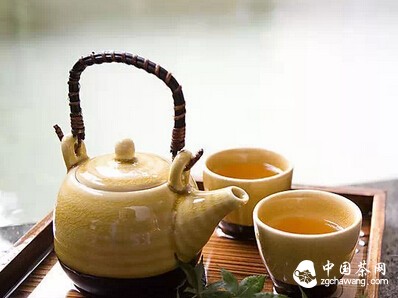
Tea culture has gradually developed from the Three Kingdoms period to the present. Tea is no longer just a beverage; it is an art, a form of cultivation, and a spirit. This knowledge of Chinese tea culture—the formation and development of tea culture—is presented to satisfy the curiosity of all tea lovers~