Do you know the production regions of black tea? What are the classifications of black tea? What are its health benefits? What are the differences in processing techniques?……
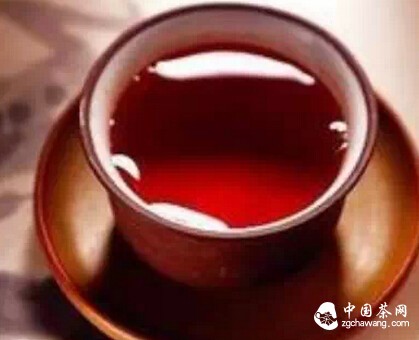
Black tea is a fermented tea made from one bud and two or three leaves of the tea plant. It is processed through typical steps including withering, rolling (or cutting), fermentation, and drying. It is named for its dark dry leaf color and the red hue of its infusion.
Production regions of black tea
Zhenghe Gongfu region: Songxi County and Zhenghe County, Fujian Province
Bailin Gongfu region: Fuding, Fujian
Tanyang Gongfu region: Fu'an, Fujian
Dianhong Gongfu region: Fengqing, Yunnan
Qihong Gongfu region: Qimen, Anhui
Ninghong Gongfu region: Xiushui County, Jiangxi
Yihong Gongfu region: Yixing, Jiangsu
Chuanhong Gongfu region: Yibin, Sichuan Province
Huhong Gongfu region: Anhua, Xinhua, and Lianyuan areas, Hunan
Yuehong Gongfu region: Shaoxing, Zhuji, Sheng County, etc.
The most famous among Chinese black tea varieties is Keemun black tea, a top-grade Lapsang Souchong variant known as Junmei. Depending on leaf quality and picking standards, Junmei is classified into Golden Junmei, Silver Junmei, and Copper Junmei. Black tea is the second largest tea category in China, accounting for about 50% of total tea exports, reaching over 60 countries and regions. The largest export markets include Egypt, Sudan, Lebanon, Syria, Iraq, Pakistan, the United Kingdom, Ireland, Canada, Chile, Germany, the Netherlands, and various Eastern European countries.
Classifications of black tea
What are the famous black teas in China? There are many types of Chinese black tea, widely distributed, including the unique Gongfu black tea and Souchong black tea native to China, as well as crushed black tea similar to that produced in India and Sri Lanka.
Souchong black tea: Originated in the 16th century, it marked the beginning of Chinese black tea history. The earliest was the Souchong black tea developed in the Wuyi Mountain area.
Gongfu black tea: A distinctive Chinese black tea variety and a traditional export commodity. Currently, 19 provinces (including trial plantations in Xinjiang and Tibet) produce tea, with 12 of them producing Gongfu black tea. By region, there are Dianhong Gongfu, Keemun Gongfu, Fuliang Gongfu, Ninghong Gongfu, Xiangjiang Gongfu, Minhong Gongfu (including Tanyang Gongfu, Bailin Gongfu, Zhenghe Gongfu), Yuehong Gongfu, Taiwan Gongfu, Jiangsu Gongfu, and Yuehong Gongfu, etc. By variety, it is divided into large-leaf Gongfu and small-leaf Gongfu. Large-leaf Gongfu is made from fresh leaves of arbor or semi-arbor tea plants; small-leaf Gongfu is made from fresh leaves of bush-type small-leaf tea plants.
Crushed black tea: Production of crushed black tea in China began later, starting in the 1950s. In recent years, both output and quality have been increasing.
Characteristics of black tea
In terms of processing, what are the characteristics of Chinese black tea? After plucking, fresh leaves are first withered in the air. Then, black tea is processed using one of two methods: the CTC method (Crush, Tear, Curl) or the traditional method. The CTC method is generally used for lower-quality tea destined for tea bags and employs machine processing. This method is very effective for producing better finished products from lower-quality leaves. The traditional method uses machine or hand processing. Hand processing is used for high-quality teas. The traditional method applies different techniques depending on the tea, resulting in high-quality loose-leaf tea sought after by connoisseurs. The leaves are then oxidized under controlled temperature and humidity. This process is also called fermentation, although no true fermentation occurs.
Health benefits of black tea
What are the health benefits of black tea? Black tea aids gastrointestinal digestion, promotes appetite, acts as a diuretic to reduce edema, and strengthens heart function. In terms of disease prevention: black tea has strong antibacterial properties; rinsing the mouth with black tea may help prevent colds caused by filterable viruses, prevent tooth decay and food poisoning, and lower blood sugar and blood pressure. The American Heart Association once concluded that black tea is “a beverage rich in flavonoids that can eliminate free radicals and have antioxidant effects, which can reduce the incidence of myocardial infarction.”