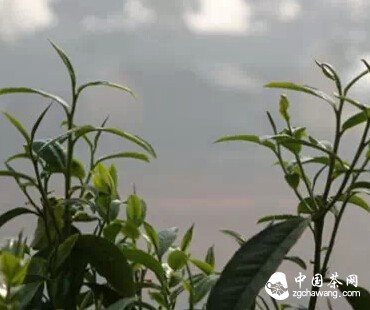
Although second-spring tea is also spring tea, its quality is much lower than that of first-spring tea. The interval between the two is less than a month. After the first harvest, fresh leaves grow again, but their nutrient content is lower than that of first-spring tea. The growth of fresh leaves is merely a natural process of the tea tree. Therefore, there is still a difference in quality between first-spring and second-spring tea.
In Yunnan, due to drought, the leafing time of first-spring tea varies in many places. We define it based on the general time frame.
Second-spring tea: early April to late April
Late-spring tea: late April to early May
Summer tea: mid-May
Autumn tea: mid-September
From this time frame, we can see that the intervals between first-spring, second-spring, and late-spring tea are the shortest, while the interval between autumn tea and spring tea is the longest. After fresh leaves sprout and are picked, the tea tree needs to absorb nutrients and water from the soil to the roots, and then distribute them to the branches and buds. The interval for first-spring tea is the longest. On one hand, the tea tree has more time to grow, and the time to absorb nutrients from the soil increases, resulting in higher nutrient content in the leaves, which in turn determines the tea quality.
From the growth state, we can perceive the nutrient content of the fresh tea leaves. But how to identify it in practice? This is a meticulous issue. It is impossible to tell from the fresh leaves, dry tea, or tea leaves residue. First-spring tea, due to its longer growth cycle, has more nutrients. By comparing the four aspects of tea tasting, we can make a distinction.
1. Aroma: The aroma is high, obvious, rich, and easy to perceive.
2. Tea soup aroma: The aroma of the tea soup is the most important point. If the tea soup aroma is rich and noticeable in every infusion, then the tea leaves selected must be of good quality.
3. Tea soup taste: First-spring tea has a longer growth cycle and more nutrients. When the tea soup enters the mouth, you can feel its thickness and viscosity. It feels as if it contains a lot of colloidal substances on the tongue, rather than being as light as water. (Of course, this point can be achieved by many teas, but the first-spring tea soup is definitely the best enjoyment for the tongue.)
4. Duration of aftertaste: After the tea soup enters the mouth, a sweet sensation will be produced in the entire mouth or on the tongue, and the sweetness lasts for a relatively long time. For second-spring or late-spring tea, you can feel that a sweet sensation is produced after the tea soup enters the mouth, but it lasts for a very short time.