A Chinese folk saying has long been passed down: "A cup of tea in the morning outdoes the medicine seller's warning," highlighting the remarkable health benefits of tea. Simultaneously, there is another common saying: "If you don't wash your tea cup, the King of Hell will hasten your demise." What harm can come from not rinsing your teacup in time? How much tea should one drink per day for optimal health? How many times can tea leaves be brewed at most? Let us uncover these questions one by one and reveal the truth!
Unfinished tea is most prone to forming tea stains
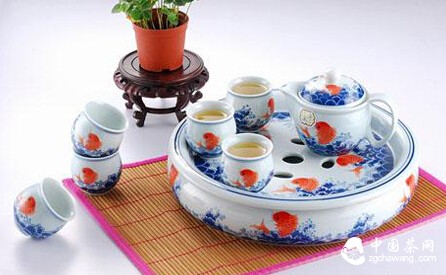
Scientific research indicates that drinking water contains minerals and trace amounts of harmful heavy metal ions, such as cadmium, mercury, and arsenic. As water is heated and its temperature rises, the solubility of certain calcium and magnesium ions decreases, leading to an increasing concentration of insoluble salts, which precipitate when the water becomes concentrated. These precipitates can enter the teacup when brewing tea. When tea is left unfinished or sits for a long time exposed to air, the tea polyphenols in the tea leaves oxidize with the metal elements in the tea scale, forming brown tea stains commonly known as tea scum, which adheres to the inner walls of the cup. These tea stains contain harmful metals such as cadmium, lead, mercury, and arsenic, making them a major threat to human health.
Long-term use of cups heavy with tea stains can cause cancer
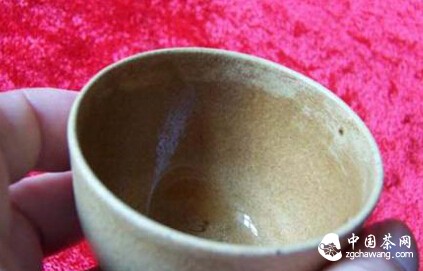
Associate Professor Li Hongzhu from the Tianjin Institute of Pharmaceutical Research stated in an interview: "Tea scum contains toxic substances such as cadmium, lead, mercury, and arsenic, as well as carcinogens like nitrites. These substances adhere to the smooth surface of the teacup. When drinking tea, they enter the digestive system and combine with proteins, fatty acids, and vitamins in food, forming insoluble precipitates. This not only hinders the absorption and digestion of these nutrients but also damages organs such as the stomach and intestines. Additionally, cups that are not cleaned regularly harbor more scale, which also contains heavy metals, posing serious health risks." Furthermore, these oxides, once in the body, can cause neurological, digestive, urinary, and hematopoietic system disorders and dysfunctions, even leading to premature aging. In particular, arsenic and cadmium are carcinogenic and can cause fetal malformations, endangering health.
How to thoroughly remove tea stains
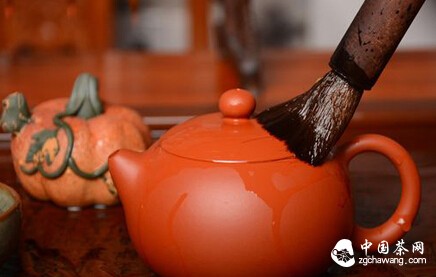
The thicker the tea stain, the harder it is to clean, so daily cleaning and periodic deep cleaning are equally important. Experts recommend that after each tea session, even if no obvious tea stains are visible, the tea set should be carefully washed to prevent buildup over time.
(1) For stubborn, long-accumulated tea stains, soak the tea set overnight in heated rice vinegar or baking soda solution, then scrub with a toothbrush to clean easily. Note: If using a purple clay (zisha) teapot, avoid this method. Purple clay has pores that absorb minerals from tea stains, which can help preserve the pot and prevent harmful substances from leaching into the tea and being absorbed by the body.
(2) Add a teaspoon of orange powder or juice (such as orange juice) into the teacup or teapot, fill with water, and let it sit for 2–3 hours. This loosens the tea stain’s adhesion to the tea set, making it easy to remove.
(3) Add water and potato peels to the teapot or cup, bring to a boil, let cool, and then rinse. This method effectively cleans the set.
(4) For metal tea filters that become blackened by tea stains, if regular mild cleaners fail, soak them in vinegar or a bleach solution to easily remove the stains.
(5) Apply table salt to the inner surface, especially areas with tea stains. Scrub vigorously with a toothbrush, then rinse thoroughly with clean water.
Tiege’s reminder: When removing tea stains, avoid using steel wool or rough cleaning balls, as these can damage the glaze on the interior of the tea set, making it thinner. This allows future tea stains to penetrate deeper, making them extremely difficult to remove. Instead, use soft-bristled brushes, toothbrushes, or gentle cleaning cloths for cleaning.