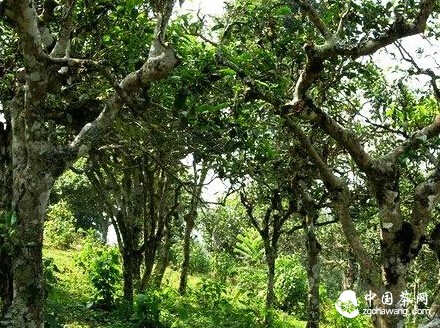
Ancient tree tea has always been a highly sought-after item in the Pu'er tea market. Many people identify ancient tree tea by looking at the size and thickness of the leaf base, believing that large and thick leaves indicate ancient tree tea. In fact, leaf size and thickness are not necessarily related to whether the tea comes from ancient trees, but rather to the tea variety. Tea trees include large-leaf and small-leaf types, as well as thick-leaf and thin-leaf types. There are many counterfeit ancient tree teas on the market, and it is easy for tea drinkers to make mistakes if they only identify based on appearance.
Rich internal substances are one of the biggest characteristics of ancient tree tea, which counterfeit ancient tree teas cannot imitate. Before collecting or purchasing ancient tree tea, you can first taste it, and then use the "Six Flavors and Two Characteristics" method to identify whether it is genuine ancient tree tea. This method precisely identifies the internal quality of the tea. So, what is the "Six Flavors and Two Characteristics" method?
Six Flavors: Aroma, Sweetness, Tea Liquor, Aftertaste and Salivation, Bitterness and Astringency, Throat Feel
1. Aroma: Unique fragrance type, steady aroma charm
Ancient tree tea can absorb mineral components from deep soil layers, reflecting the uniqueness of each mountain area with its rich internal quality, such as the honey fragrance of Yiwu and the fruity honey aroma of Nannuo. The aroma of ancient tree tea is rich and long-lasting, with a unique and steady aroma charm. After pouring out the first infusion, you can smell the aroma charm in the公道杯 (fairness cup). If the aroma is rich and sinks downward, it indicates sufficient internal quality. Plantation tea rarely has this kind of aroma charm in the fairness cup. The more steady the aroma charm, the more sufficient the internal quality.
2. Sweetness: Sufficient and lasting sweetness
The "sweetness" mentioned here refers to the direct sensation on the tongue after entry, and should not be confused with returning sweetness. The sweetness of ancient tree tea is elegant and clear, often overshadowed by returning sweetness. Tea drinkers with a certain amount of experience can separate and appreciate each flavor, but new tea drinkers find it difficult to distinguish. Sweetness is also a key point for identification, but it is not the most critical factor and can only be gradually appreciated through continuous tasting of Pu'er tea.
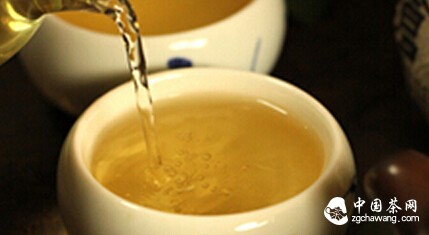
3. Tea Liquor: Golden yellow and clear, strong viscosity, significant thickness
The tea liquor of ancient tree tea appears golden yellow, with a bright and clear color, which is characteristic of early spring tea. When identifying the viscosity of tea liquor, do not judge by sipping a small amount. Instead, take a larger mouthful of tea liquor into your mouth, swirl it around for a moment, and then swallow. This allows you to feel the viscosity of the tea liquor, as well as its thickness, fullness, and smoothness.
4. Aftertaste and Salivation: Fast, sufficient, and lasting
Aftertaste and salivation are basic flavors of tea. Plantation tea shows aftertaste and salivation relatively quickly, but their durability is poor, generally weakening after 6 infusions. Ancient tree tea, on the other hand, shows stable aftertaste and salivation, fast and lasting.
5. Bitterness and Astringency: Mild bitterness and astringency
The bitterness and astringency of ancient tree tea are mild. For older trees, it is very difficult to detect, and the bitterness and astringency dissolve quickly, with sufficient activity. One method to identify ancient tree Pu'er is to drink the tea after it has cooled. Plantation tea will only have a very bitter and astringent taste, while ancient tree tea will still have tea aroma, returning sweetness, salivation, and sweetness, even though bitterness and astringency increase. This is a manifestation of rich internal substances and stable tea quality.
6. Throat Feel: Comfortable throat feel
Throat feel refers to the cool and comfortable sensation formed in the throat, making breathing particularly smooth and comfortable. It can also cause returning sweetness and salivation in the throat, with a long-lasting aroma charm. Throat feel arises because the tea has rich internal substances. When the tea liquor is swallowed, flavors accumulate and release in the throat. Ancient tree tea has a lasting throat feel after drinking!
These are the differences in the six flavors. Based on these differences, you can definitely choose a Pu'er tea that brings you enjoyment. However, if you are collecting, this is not enough; you also need to look at the two characteristics reflected in the tea.
Two Characteristics: Endurance, Stability
1. Endurance: Endurance can be simply described as the tea's resistance to multiple infusions. Plantation tea generally weakens after 6 infusions, while ancient tree tea can last for 8 to 10 infusions or more, with better ones lasting up to 12 infusions or more. Endurance determines the stability of the tea. The longer the endurance, the higher the stability.
2. Stability: By identifying endurance, you can determine the stability of the tea's quality. Rich internal substances lead to stable tea quality. The higher the stability, the richer the internal substances of the tea. During later storage, stability ensures steady aging, allowing you to store high-quality Pu'er tea.
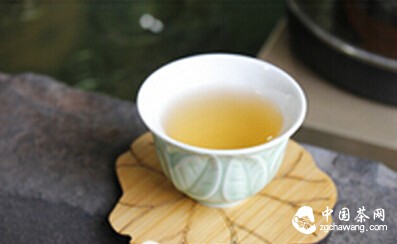
Using the above identification methods, let's see if the "One Leaf Knows Autumn" autumn ancient tree tea from Colorful Yunnan meets the requirements! "One Leaf Knows Autumn" is made from fresh leaves of century-old healthy ancient tea trees from the three major Pu'er tea golden production areas: Xishuangbanna, Pu'er, and Lincang, harvested in the season of harvest. It is hand-picked skillfully and crafted using traditional ancient methods, showcasing the charm of autumn.
The tea strips are plump and well-proportioned, dark and lustrous with prominent hairs. The aroma is high and rich, exhibiting a "valley flower fragrance." The tea liquor is orange-yellow and bright. It is sweet, smooth, and mellow, with a rich and coordinated texture, a harmonious aftertaste, and layered richness. The tea charm is full, and it can withstand more than 10 infusions, fully meeting the requirements of the "Six Flavors and Two Characteristics."
Although autumn has passed, we can still savor an autumn using a piece of tea leaf and feel the abundance and beauty of the season in a cup of tea liquor!
