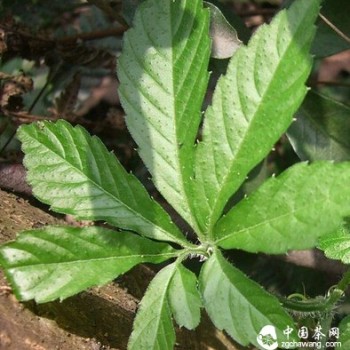
The Correct Way to Store Gynostemma Pentaphyllum
In modern society, high-end products like Gynostemma Pentaphyllum gift boxes are often given as presents rather than consumed by the buyers themselves. This herbal tea, rich in vitamins and trace elements, has no theine or caffeine and offers numerous health benefits, such as warming the body and tr...
Tea News · Jun 22, 2026
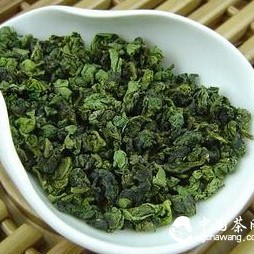
Unique Tea Tasting Method of High Mountain Tieguanyin
Every type of tea has its own unique flavor, shape, and color, and High Mountain Tieguanyin is a perfect example. If you choose it as a health preservation method, understanding its shape, sound, color, aroma, and taste will help you appreciate its uniqueness. High-quality Tieguanyin is tightly curl...
Tea News · Jun 15, 2026

Do You Know the 5 Secrets of Pu'er Tea?
Pu'er tea is not like other foods; true enthusiasts often select and taste it themselves before purchasing. Quality depends on both appearance and inner qualities: a good tea cake is uniform, with few stems and yellow leaves. Beware of adulteration—cheap tea may be mixed with inferior leaves or even...
Tea News · Jun 13, 2026
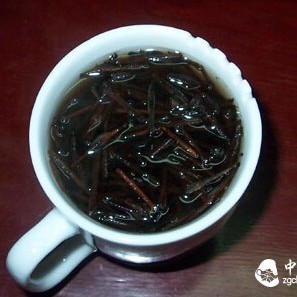
The Role of Tea Stems in the Quality of Pu'er Tea
Pu'er tea is known for its endurance in brewing, which is due to the rich nutrients accumulated in the leaves of arbor tea trees over hundreds or even thousands of years. Tea stems, often overlooked for their appearance, actually play a crucial role in tea quality. They contain high amounts of aroma...
Tea News · May 26, 2026
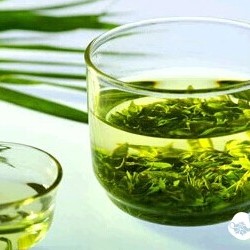
Tea Internal Components — Catechins
Catechins are the main components of tea polyphenols, accounting for 12%–18% of the dry matter of tea leaves and 70% of total polyphenols. The antioxidant property of tea is attributed to these polyphenols. The content of catechins directly affects tea quality, with high-quality green tea retaining...
Tea News · May 18, 2026
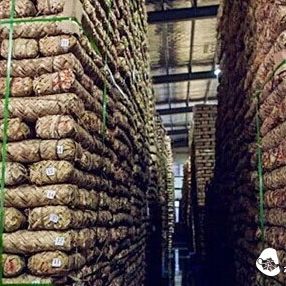
Five Key Points to Master in Dark Tea Collection
Dark tea, favored for its long storage life and improving flavor over time, is considered a drinkable antique with strong value appreciation potential. This article outlines five essential aspects of collecting dark tea: prioritizing quality, maintaining a balanced collection of new and aged teas, b...
Tea News · May 11, 2026
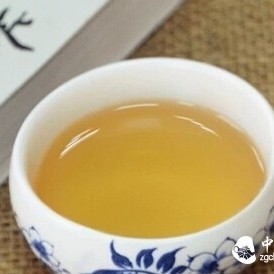
Why is Pu'er Tea Particularly Resistant to Multiple Infusions?
Pu'er tea is known for its endurance in multiple infusions, where the color and taste remain relatively stable over many brews. This characteristic is due to the rich nutrients accumulated in the leaves of ancient arbor tea trees, which release gradually during steeping....
Tea News · May 09, 2026
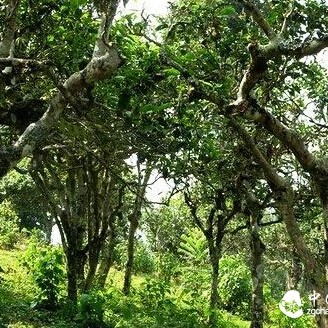
The "Six Flavors and Two Characteristics" Identification Method for Ancient Tree Tea
Ancient tree tea is highly sought after in the Pu'er tea market, but many people mistakenly identify it based on leaf size and thickness. In fact, leaf size relates to the tea variety, not the tree's age. A more reliable method is the "Six Flavors and Two Characteristics" approach, which evaluates t...
Tea News · Apr 25, 2026
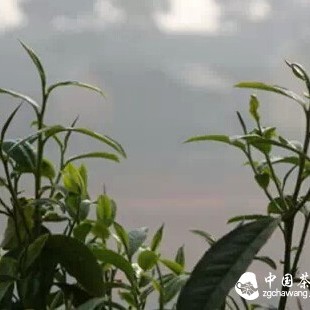
The Difference Between First-Spring Pu'er Tea and Second-Spring Pu'er Tea?
Although second-spring tea is also spring tea, its quality is much lower than that of first-spring tea. The interval between the two is less than a month. After the first harvest, fresh leaves grow again, but their nutrient content is lower than that of first-spring tea. The growth of fresh leaves i...
Tea News · Apr 24, 2026
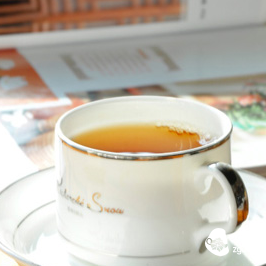
How does black tea become cloudy after cooling? Does it affect tea quality?
When black tea cools, it often becomes cloudy, a phenomenon known as 'cold after turbidity' or 'tea cream.' This occurs because theaflavins, formed during fermentation, are soluble in hot water but aggregate as the temperature drops. Contrary to common belief, this turbidity is not a sign of poor qu...
Tea News · Jan 19, 2026