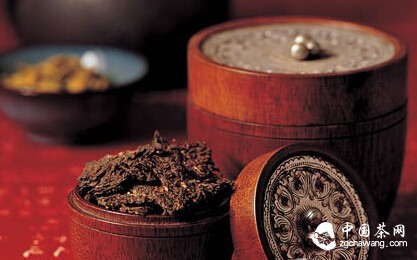
China is the tea producing country, and Ya'an Tibetan tea is one of the main varieties of the six major tea categories—dark tea. It has a long history and unique characteristics. Ya'an Tibetan tea serves as a bond between the Han and Tibetan ethnic groups and is known as the "life-sustaining tea for ethnic minorities in the northwest." According to the *Yan Tea Discussion* (1573): "Tea is a product that the Western Regions and Tubo have relied on since ancient times. Because their diet is rich in meat and fat, only tea can help digestion; the heat of barley can only be resolved by tea, so it is indispensable. Thus, this leaf from the mountains and forests is of great importance to the state, and those who govern the country must take it seriously and deliberate on it." The production techniques of Ya'an Tibetan tea have been passed down and evolved over thousands of years, making them unique to the main producing area of Ya'an.
Since records from the Tang Dynasty, Chinese Tibetan tea has been an ancient tea for over a thousand years. Tibetan tea is the main beverage for nearly three million Tibetan compatriots among ethnic minorities and is also called the people's livelihood tea. Throughout history, depending on the period and local customs, it has also been known as large tea, horse tea, dark tea, coarse tea, southern border tea, brick tea, strip tea, compressed tea, lump tea, and border tea. Below, the editor will explain the effects and functions of Tibetan tea.
Over a thousand years of drinking practice has proven that Tibetan tea can supplement various vitamins, trace elements, and water for people living on the plateau, and help decompose and digest high-fat foods such as beef, mutton, and cheese. Tibetan tea has the effects of resisting high blood pressure and high blood lipids, and clearing cholesterol deposits. It also has the effects of resisting altitude hypoxia and high-altitude radiation.
During the production process, Tibetan tea undergoes multiple high-temperature pile fermentation, repeated wetting and heating, and rolling (steaming) to fully transform, oxidize, decompose, polymerize, stabilize, and promote beneficial substances such as catechins, caffeine, vitamins, proteins, organic acids, and various fungal substances. This increases the nutritional value and pharmacological effects of the tea. Tibetan tea has the effects of warming the stomach, strengthening Qi, detoxifying, relieving greasiness, promoting digestion, and aiding sleep. It has high practical value for inhibiting obesity, high blood pressure, high blood lipids, and other modern high-incidence diseases.