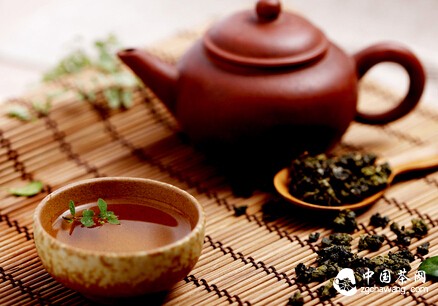
Dark tea is a type of ripened tea (commonly called coarse tea), with higher nutritional content than green tea or black tea. Due to limited普及 of knowledge about dark tea, although it has a long history, most people's understanding of dark tea is basically based on their knowledge of green or black tea. However, different types of tea should not be judged by the same standards.
Myth 1: Drinking dark tea affects sleep
It is common knowledge that drinking tea can make one alert and energetic. Ordinary tea leaves contain high levels of caffeine, which affects sleep. However, due to the production process of Fu tea, caffeine gradually diminishes during the long pile fermentation process, while theanine, which has a calming effect and protects brain nerve cells, is preserved.
Therefore, drinking Fu tea does not affect sleep; instead, it can improve sleep quality, and long-term consumption may even prevent insomnia and neurasthenia.
Myth 2: Overnight dark tea should not be drunk
Some people believe that overnight tea contains "toxins" because tea can go stale. However, Fu tea contains antioxidant tea polyphenols, which limit the deterioration (oxidation process) of the tea liquid, giving it a natural preservation effect. Moreover, after boiling Fu tea, the essence of the tea substances continues to ferment in the liquid.
Thus, overnight Fu tea is not only drinkable, but its color becomes more transparent red, and its taste becomes purer and sweeter.
Myth 3: Tea should only be steeped, not boiled
British scientists have found that tea brewed in a pot is more beneficial to health. Compared with simply steeping tea in boiling water, boiling tea can release more cancer-fighting chemicals.
Researchers at the Rowett Institute in Aberdeen found that the concentration of antioxidants reaches its peak when tea is boiled for five minutes. Antioxidants can absorb harmful free radicals associated with cancer and heart disease.
Myth 4: Coarse tea has no nutrition
Tea is harvested from tea trees in two seasons. Tea picked around the Qingming Festival (early spring) is called fine tea, while tea picked in summer and autumn is called coarse tea. "Coarse tea" contains abundant and full-bodied trace elements, vitamins, and polysaccharides.
Therefore, in tea therapy for specific diseases, "coarse tea" is often emphasized. Modern medical research also supports that "coarse tea" contains richer components than fine tea. It should be noted that "coarse tea" does not refer to inferior tea, but to mature tea leaves compared to fine tea, also known as old tea. Dark tea is a typical mature tea, providing the richest substances among all tea types.
Myth 5: Drinking dark tea is old-fashioned
To break traditional thinking about tea, many companies are continuously developing new dark tea products. These products differ from traditional tea styles in packaging design and ease of use, with simple, fashionable, and bright outer packaging. Meanwhile, the sales model of dark tea is no longer limited to traditional tea markets or tea houses, but has expanded through online promotion, online stores, and TV shopping channels to deepen market reach.
Myth 6: Drinking dark tea harms the stomach or causes tea intoxication
Drinking raw or semi-raw tea can irritate the stomach, while dark tea can regulate the stomach. The substance in tea that irritates the stomach is mainly theophylline. Fresh tea leaves contain high levels of theophylline, so drinking fresh tea requires caution—it should not be consumed on an empty stomach, as it can cause cold sweats and dizziness (tea intoxication). Dark tea is fully fermented, and its irritants, after a long period of fermentation and binding with beneficial digestive microorganisms, no longer irritate the stomach.
The abundance of digestive microorganisms in dark tea promotes gastrointestinal function and breaks down fatty foods, thus it can harmonize the stomach and intestines.
Myth 7: Dark tea is best drunk plain
Dark tea can accommodate almost any seasoning you like—milk, sugar, salt, butter, sesame, peanuts, etc. Foreigners often add spices, coffee, cocoa, chocolate, honey, or fruit. If you try adding the same seasoning to other teas and dark tea for comparison, you will immediately understand the taste of dark tea and its inclusive charm.
Myth 8: Pregnant women cannot drink dark tea
During pregnancy, it is necessary to supplement more minerals and vitamins. It is fine to drink dark tea lightly brewed. During pregnancy, when morning sickness is severe, dark tea is the best choice for rehydration and mineral supplementation, and it can also help soothe the stomach and relieve nausea.