1. Weight management. Winter is a season prone to weight gain. Drinking a cup of oolong tea before or after meals can promote fat breakdown and prevent obesity caused by excessive fat intake.
2. Skin care. In winter, many people dislike applying cold facial masks. For those who prefer a lazy yet effective beauty routine, drinking a few cups of oolong tea daily can help achieve skin care goals.
3. Blood lipid reduction. Drinking oolong tea in winter can prevent red blood cell aggregation, reduce blood viscosity, and effectively prevent vascular diseases and lower blood lipids.
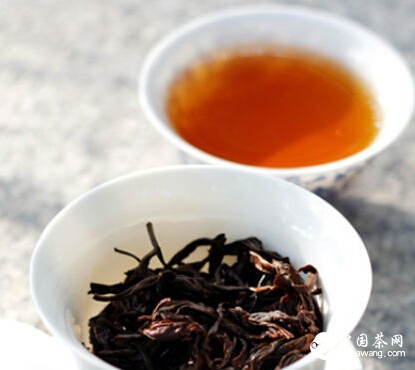
Chinese oolong tea is classified into four main producing regions: Northern Fujian, Southern Fujian, Taiwan, and Guangdong, each with its own distinctive aroma. In winter, let's experience the warm fragrance of oolong tea!
[Northern Fujian Region]
The representative tea of Northern Fujian is Wuyi rock tea, the most famous being Da Hong Pao. The soil and terrain of Wuyi Mountain tea gardens are unique, mostly composed of small rock-based gardens, giving the tea a robust character. Known for heavy fermentation, the tea soup is thick, rich, and features a distinctive fruity and floral aroma.
Zhengyan Rou Gui: Deep floral notes from mountain forests
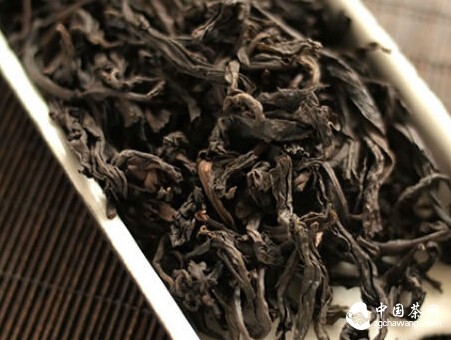
Many describe the taste of Wuyi rock tea as "masculine," a bold and assertive "rock bone floral fragrance." This robust character comes from the Danxia landform of Wuyi Mountain, with accumulated weathered rock soil rich in organic matter and natural underground spring irrigation, giving the tea a unique freshness and sweetness.
As the saying goes, "no fragrance surpasses Rou Gui." The rich and exotic aroma of Rou Gui is unforgettable. The first and second infusions of Zhengyan Rou Gui have a distinct caramel aroma, sometimes described as chrysanthemum and dai fragrance, reminiscent of noble rot sweet white wine. After the third infusion, rich floral and herbal notes emerge, with the spicy cinnamon character becoming very prominent.
Brewing tips: Place 8g of tea leaves in a 150ml gaiwan or purple clay pot. Rinse with water at 95°C and discard after 5 seconds. The first infusion lasts about 10 seconds, the second 15 seconds, and the third 25 seconds.
Da Hong Pao: Balanced orchid fragrance
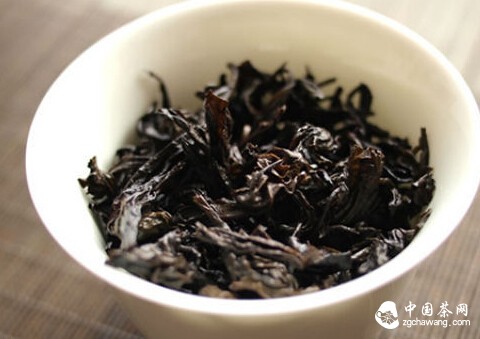
Another representative of Wuyi rock tea. Da Hong Pao enjoys the highest reputation among Wuyi famous teas, known as the "champion of teas." When rinsing, you can smell fresh mountain floral and herbal aromas, with a balanced and structured floral sweetness. Its typical orchid fragrance blends many different floral notes, rich and full-bodied.
Brewing tips: Place 8g of tea leaves in a 150ml gaiwan or purple clay pot. Rinse with water at 95°C and discard after 5 seconds. The first infusion lasts about 10 seconds, the second 15 seconds, and the third 25 seconds.
[Southern Fujian Region]
Represented by Tieguanyin. New bush Tieguanyin features a soaring orchid fragrance, with light fermentation giving it a delicate and elegant character. Traditional charcoal roasting makes it more mellow, bringing out rich floral notes amidst a warm and steady charcoal aroma, offering comfort and warmth in the transition from autumn to winter.
Charcoal-roasted Tieguanyin: Orchid fragrance in charcoal fire
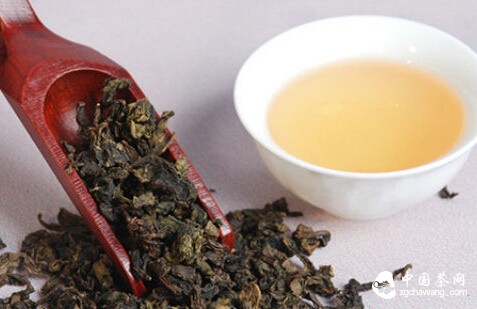
Tieguanyin is famous for its rich and high-rising orchid fragrance. Charcoal-roasted Tieguanyin involves further roasting the traditionally semi-fermented Anxi Tieguanyin over charcoal to reduce the green, alkaline, and caffeine notes. Regardless of the roasting degree, the tea soup is always clear and bright, with a sweet taste and a charcoal aroma that brings comfort and warmth.
Brewing tips: Place 7g of tea leaves in a 150ml gaiwan or purple clay pot. Rinse with water at 95°C and discard after 10 seconds. The first infusion lasts about 15 seconds, the second 20 seconds, and the third 25 seconds.
[Taiwan Region]
Taiwan offers a wide variety of oolong teas, with "Dong Ding" as a representative, known for its lighter floral notes but refined, rigorous, and elegant character. Other notable teas include Oriental Beauty and Wenshan Baozhong.
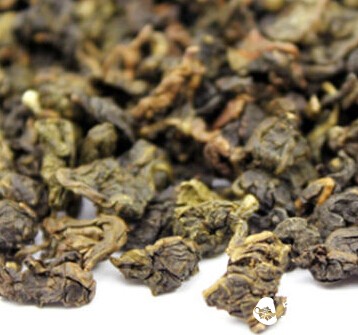
Dong Ding Oolong: Narcissus fragrance from high mountains
Dong Ding oolong evokes a sense of "lofty mountains and flowing rivers" and is a representative Taiwanese tea. The name "Dong Ding" comes from Dong Ding Mountain in Taiwan, at an altitude of 743 meters, shrouded in mist and rain year-round. Climbing the mountain requires tiptoeing, which in Taiwanese slang is "dong jian jiao."
Dong Ding oolong leaves are granular and hemispherical, with a light-colored tea soup. The aroma is full-bodied, with a gentle and long-lasting sweetness, very fresh and elegant. It has a good honey aroma and a pronounced milky note (relative to tea, a naturally subtle herbal aroma similar to the wine term "creamy"), along with fresh white floral notes like narcissus.
The rinsing time for Dong Ding oolong is 10 seconds (rinsing means pouring hot water into the pot to moisten the leaves and then discarding the water, which also serves as a preliminary rinse of the cup and leaves). Rinsing is the best time to smell the aroma, while the second and third infusions are ideal for appreciating the floral notes in the tea soup.
Brewing tips: Place 8g of tea leaves in a 150ml purple clay pot. Rinse with boiling water at 100°C for 10 seconds. The first infusion lasts about 15 seconds, with each subsequent infusion adding 5 seconds (can be brewed for 10 or more infusions).
Oriental Beauty: Elegant fruity and floral fragrance
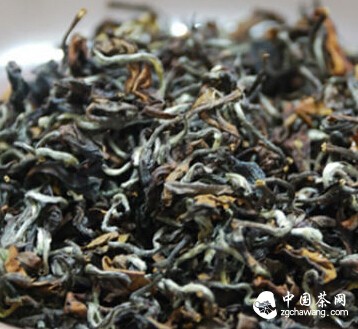
The name "Oriental Beauty" is said to have been given by Queen Victoria, who found it fresh, refined, elegant, and subtly fragrant, and since it came from the East (Taiwan), she named it "Oriental Beauty Tea." Oriental Beauty is a heavily fermented oolong, with leaves displaying a complex mix of red, green, white, yellow, and brown colors. The tea soup is golden or reddish-orange, with natural honey and ripe fruit aromas.
Every hot summer, the tea plant produces a type of glycoside that attracts small green cicadas (leafhoppers) to bite. The fermentation process begins when the cell walls are broken. The saliva of the insects mixes with the tea enzymes, giving the tea a unique aroma. Due to this special process, Oriental Beauty cannot use pesticides and is mostly organic tea.
Brewing tips: Place 6g of tea leaves in a 150ml gaiwan. Brew with water at about 90°C. Rinse for about 5 seconds. The first infusion lasts about 15 seconds, the second 20 seconds, and the third 30 seconds.
[Guangdong Region]
The Fenghuang Mountain tea region in Guangdong has an altitude of over 1,400 meters, with rich soil containing abundant organic matter. Fenghuang Dancong is known for its rich and intense variety of aromas. The commonly mentioned "Ten Aroma Types" include Honey Orchid, Ginger Flower, Huan Zhi, Orchid, Jasmine, Apricot Blossom, Pomelo Blossom, Bamboo Leaf, etc., with Honey Orchid being the most common.
Ginger Flower Dancong: Ginger flower fragrance
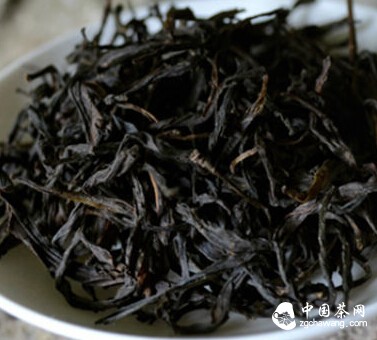
Ginger Flower Dancong is one of the top ten aroma types of Fenghuang Dancong. Due to its bright and clear ginger flower fragrance, it is also called "Sky-piercing Fragrance" by tea farmers. The tea soup is light in color, with a pronounced ginger flower aroma, reminiscent of a cup of flower juice. It is sweet and smooth with a slight ginger spiciness, making it especially refreshing in autumn.
Brewing tips: Place 8g of tea leaves in a 150ml gaiwan or purple clay pot. Rinse with water at 95°C and discard after 5 seconds. The first infusion lasts about 20 seconds, the second 25 seconds, and the third 30 seconds.