Several Misconceptions about Anxi Tieguanyin
The Greener, the Better
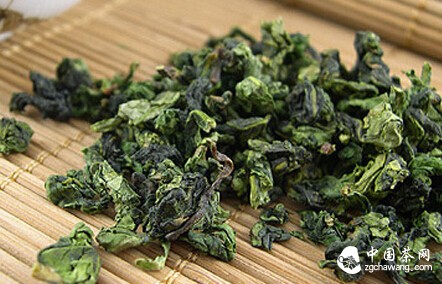
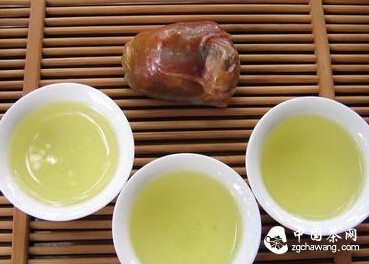
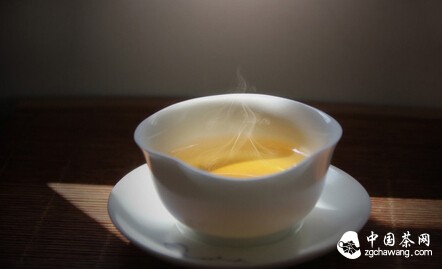
Traditional, authentic Tieguanyin has a sandy green, glossy appearance, with a golden or golden-green liquor, where golden is the dominant tone. When the leaves are spread out, red edges (the "green leaves with red borders") from fermentation can be seen. However, some people mistakenly take the "clear soup, green water" characteristic of green tea as the standard for Tieguanyin.
The More Sour, the Better
Tieguanyin processed using non-traditional methods such as delayed souring (tuo suan), delayed fermentation (tuo bu), or reduced oxidation (xiao qing) involves very light tossing in the first few rounds, extending the fermentation time until the afternoon of the next day before fixing, creating a "sour" taste that misleads people into thinking this is the "Guan Yin flavor." In fact, this is a practice that emphasizes light cultivation and heavy spreading, where some tea farmers, instead of improving soil, protecting ecology, or practicing organic farming, alter the processing techniques to produce a so-called "sourness," misleading people into equating sourness with the signature flavor.
Young Bushes Are Better
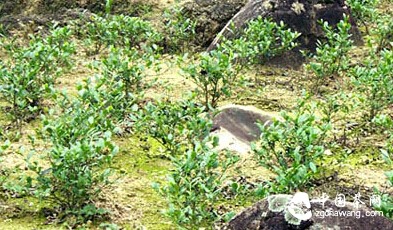
Some believe that Tieguanyin from new tea bushes is of the highest quality. In reality, Tieguanyin tea plants have a long physiological lifespan, reaching over a hundred years, with an economic picking age of around 3 to 60 years (the best age being 3 to 10 years). Practice shows that Tieguanyin from bushes around ten years old can also produce quality comparable to younger bushes, with rich aroma, deep flavor, and a full body. Of course, whether young or old, scientific cultivation management and good soil conditions are necessary to keep the tea plants healthy.
Air Conditioning for Processing ✘
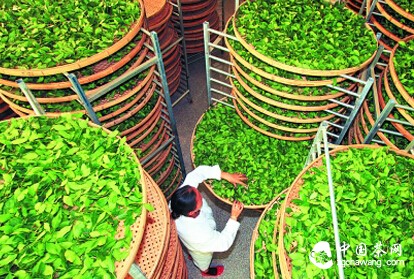
The optimal temperature for Tieguanyin processing is between 18°C and 22°C. In many areas of Inner Anxi, spring and autumn nighttime temperatures fall within this range, so air conditioning is not necessary for all seasons or tea-producing areas. If the processing temperature is suitable, air conditioning is not needed, allowing better air circulation and humidity control, enabling the tea leaves to release moisture smoothly, resulting in natural aroma and longer shelf life.
Removing the Red Edges
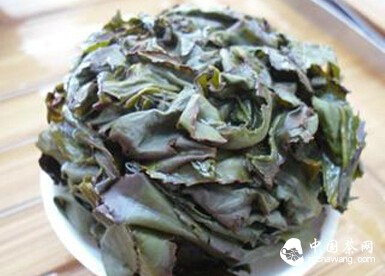
Traditional Tieguanyin features green leaves with red borders. Currently, some tea farmers, in order to make the tea liquor clearer and the leaves tighter rolled, remove all the red edges and broken leaves after drying. While this does clarify the liquor, excessive removal also discards valuable tea pigments. Tea pigments include theaflavins, thearubigins, and theabrownins, with theaflavins being known as the "soft gold" of tea, offering significant health benefits, such as warming the stomach and aiding digestion. Therefore, it is recommended that tea farmers not remove the edges excessively, and instead use sieving to remove broken leaves and impurities.
Pesticide Residues ✘
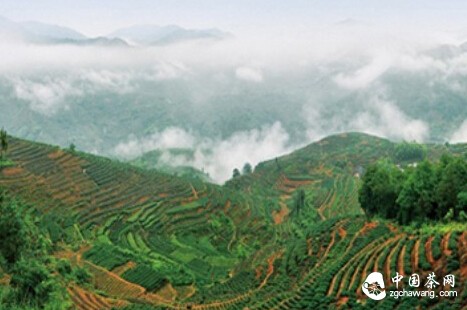
Regarding pesticide residues in tea, two issues need to be clarified: first, having pesticide residues does not mean exceeding safety limits; second, pesticide residues on tea leaves do not equate to residues in the tea liquor. Most pesticides sprayed on tea bushes are fat-soluble, not water-soluble. Fat-soluble pesticides do not dissolve into the tea liquor, making it safe to drink. Some also claim that Tieguanyin, grown in coastal areas with high temperatures and humidity, is prone to pests and thus requires more pesticides. In fact, the altitude of Inner Anxi exceeds 500 meters, higher than many other tea regions in China, and temperatures are not too high. Moreover, in recent years, the ecological environment of Anxi County has greatly improved, reducing pest problems.
Stomach Irritation
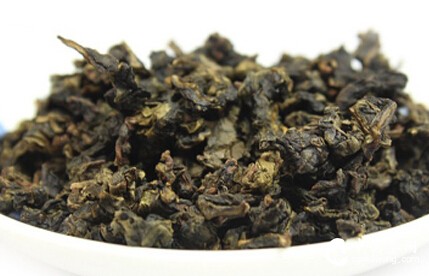
Historically, no tea has been known to harm the stomach. In terms of tea nature, green tea is cool, black tea is warm, and oolong tea is neutral. Traditionally fermented Tieguanyin is gentle on the stomach and aids digestion. Richly roasted Tieguanyin and sufficiently fermented light-aroma Tieguanyin contain more tea pigments (mainly theaflavins and thearubigins). In recent years, the Chinese Stomach Disease Professional Committee has organized national research on the clinical application of tea pigments, achieving encouraging results. Thus, richly roasted Tieguanyin is considered stomach-friendly. It is important to note that those so-called delayed sour, delayed fermentation, or reduced oxidation Tieguanyin can be harmful to the stomach.
Added Flavoring
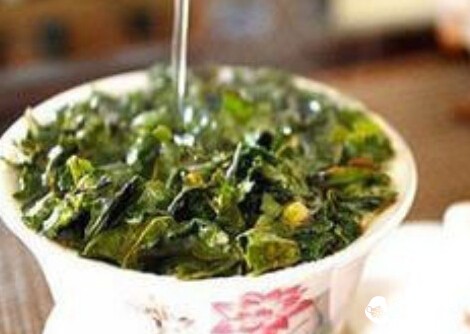
This is even more unfounded. The aroma of tea comes from the natural transformation of its own chemical compounds. Tieguanyin has the highest aroma content among teas, meaning it does not require any added flavoring.
Higher Aroma in Richly Roasted Tea
Some people mistakenly believe that, based on the name, "richly roasted" Tieguanyin has a stronger aroma than "light-aroma" Tieguanyin. According to national standards, Anxi Tieguanyin is only classified into light-aroma and rich-aroma types. The definition of rich-aroma Tieguanyin is a tea that is further refined and baked based on the traditional light-aroma processing method, which could also be called "roasted" type. During the formulation of this standard, there was debate over whether to use the term "rich aroma" or "roasted aroma." Experts concluded that since Tieguanyin's main characteristic is its aroma, it should be classified by aroma type. The term "roasted" corresponds to "raw," and if light-aroma were named "raw Tieguanyin," consumers might mistakenly think it is unready to drink. Therefore, it is more scientific to use "rich aroma" in contrast to "light aroma" to describe the additional baking process.