Tea Stems: Do You Hold a Grudge Against Them?
1. What Are "Tea Stems"?
As the name suggests, tea stems refer to the leaf stems of tea leaves. This is only a general explanation. Here, "tea stems" specifically refer to the leaf stems removed from finished tea, most commonly Tieguanyin tea stems, also known as tea branches.
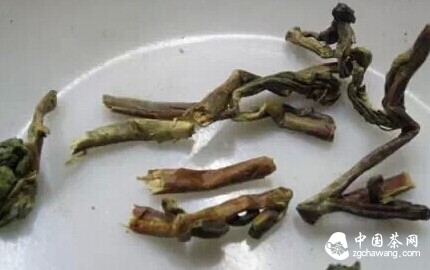
For green tea, tender leaves are usually picked, and tender leaves rarely contain stems. Especially for famous green teas, stems are not allowed; if stems are present, the tea is considered inferior. The quality of tea with stems is affected, and the price is generally lower. During the purchase or inspection of raw tea, stems are directly removed as impurities. Stems have become an important indicator of the cleanliness of tea quality.
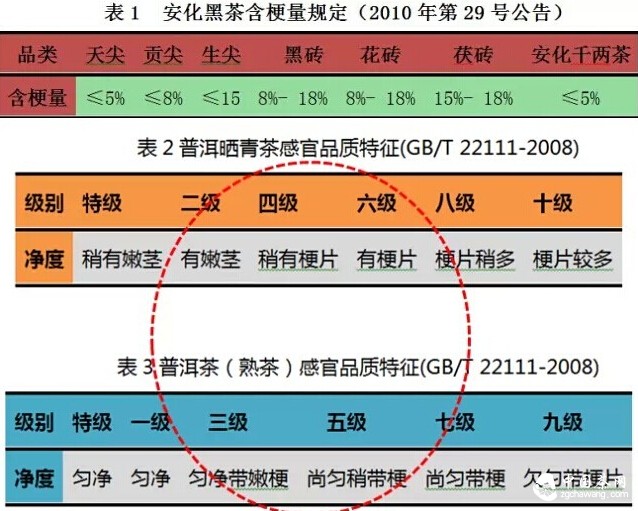
However, for oolong tea, Pu'er tea, and dark tea, the picking standards require relatively mature fresh leaves, so the presence of stems in these three types of tea is normal. The General Administration of Quality Supervision, Inspection and Quarantine of the People's Republic of China has clear regulations on the stem content of Anhua dark tea and Pu'er tea:
2. Why Are Tea Stems Necessary?
Because stems affect the appearance of tea, people often overlook their advantages, dismissing them or even believing that tea with many stems must be of poor quality. However, tea stems play a very important role in tea production and the taste and quality of the brewed tea.
Flavor Needs
According to the Ming Dynasty scholar Tu Long's "Tea Commentary": "Tea picking should not be too fine, as fine buds are not yet fully flavored; nor should it be too old, as old leaves lack tenderness. The best time is around Grain Rain, when the leaves are slightly green, thick, and round." Although mature leaves contain some bitterness, their overall internal components are not lower than those of tender buds with one or two leaves. According to research by tea experts, the tender stems contain large amounts of amino acids (mainly theanine), aroma compounds, and tea polysaccharides, with content far exceeding that of the leaves.
The vascular bundles in stems are the main conduits for nutrients and aroma. Most of the substances they contain are water-soluble. During processing, aroma is transferred from the stems to the leaves with the evaporation of water, combining with the effective substances in the leaves to form a higher and stronger aroma quality. Therefore, appropriate stems are necessary to produce tea with a strong aroma and rich flavor, and the length of stems varies depending on the type and variety of tea.
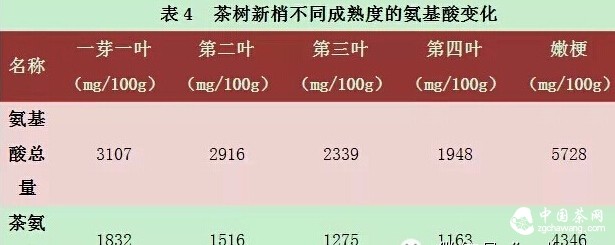
Amino acids are important flavor substances that play a key role in the fresh and sweet taste of tea soup and significantly influence the formation of tea aroma. The amino acid content in tender stems is much higher than in buds and leaves, especially theanine, which is 1-3 times higher in tender stems than in buds and leaves (Table 4). This is mainly because theanine is synthesized in the roots and transported through the xylem to the above-ground parts, where some of it participates in nitrogen metabolism in the tea plant, while the rest accumulates in new shoots. Thus, the amino acid (especially theanine) content in tender stems is high.
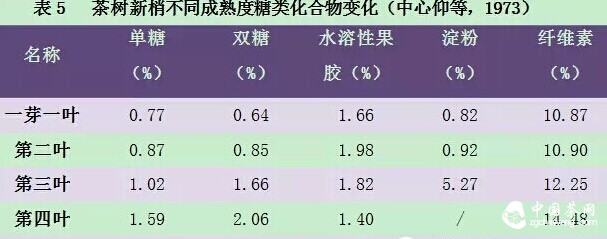
Additionally, as the nutrient-conducting organ of fresh leaves, stems contain relatively high sugar content. Fresh tea leaves contain many types of sugars. Apart from water-soluble pectin, almost all sugars in mature leaves and stems are higher than in tender buds and leaves (Table 5). Moreover, high sugar content is an important biochemical characteristic of fresh leaves used for dark tea, which cannot be replaced by tender buds and leaves. This biochemical feature of fresh leaves is closely related to the formation of the sweet and mellow taste of dark tea.
Therefore, when blending Pu'er tea, some stems are appropriately added. When brewing aged stems, you will find the tea soup tastes very sweet and refreshing, accompanied by a rich aged aroma. Some tea enthusiasts even collect Pu'er tea stems and press them into bricks, aging them before drinking for a sweet and charming flavor.
2. Production Needs
Tea stems also play an important role in pressing, especially for dark brick tea. Dark brick tea requires certain temperature, humidity, and oxygen conditions during processing and storage for fermentation. A certain amount of stems increases the空隙 within the brick, ensuring sufficient oxygen, which is conducive to quality formation. Additionally, an appropriate stem content facilitates the removal of moisture from the brick and enhances its structural strength and integrity.
For Fu brick tea, too low a stem content can result in a too-tight brick, hindering airflow and the growth of "golden flowers" (Eurotium cristatum), a beneficial fungus that requires good aeration. National standards specify the stem content for certain dark teas, for example, Fu brick tea requires a stem content between 15% and 18%.
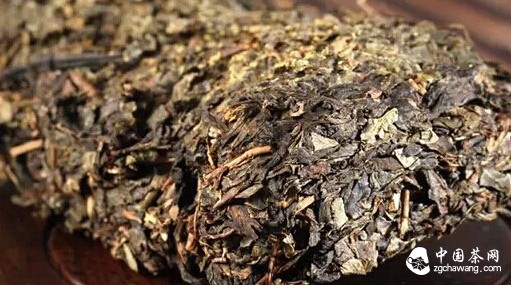
Currently, Pu'er tea raw materials are mostly Grade 3, 4, 5, and 6, which also require a certain amount of stems to ensure sufficient internal空隙, ensuring oxygen supply and facilitating the post-fermentation quality of Pu'er tea. Some products even intentionally include more stems to create a unique quality style.
3. Health Needs
Furthermore, tea stems contain large amounts of tea polysaccharides, lignin, and cellulose, which can promote intestinal peristalsis, aid digestion, and help lower blood sugar. Many people use tea stems as an important ingredient in diabetes dietary therapy.
Therefore, there is no need to hold a grudge against tea stems. For many types of tea, stems can contribute to quality to some extent.