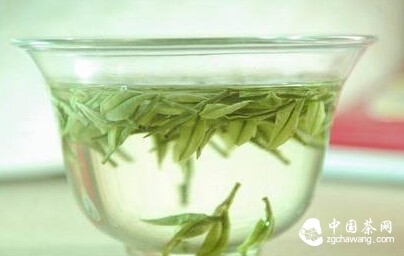
Anji White Tea is Green Tea
Anji White Tea, a rising star among Zhejiang famous teas, is made using the processing techniques of green tea, yet the finished product appears white, hence its name. Many tea enthusiasts new to the tea ceremony may not be familiar with Anji White Tea. The following is an explanation.
Why is Anji White Tea not white tea? Anji White Tea belongs to the green tea category. It bears the name "white tea" because the tea plant variety used in its processing has whitish leaves. China's six major tea categories are classified based on processing techniques, not on the name of the tea or the tea plant variety. Anji White Tea undergoes processes such as spreading, fixing (kill-green), shaping, and drying. Among these, the fixing step clearly does not belong to white tea processing.
Anji White Tea is made using green tea processing techniques and contains high levels of tea polyphenols, caffeine, amino acids, proteins, vitamins, and other nutrients. The amino acid content of Anji White Tea is higher than that of other teas. As a green tea, Anji White Tea has benefits such as anti-cancer, anti-aging, cardiovascular disease prevention, diuretic effects, aiding digestion, weight loss, relieving heat and thirst, hangover relief, and cavity prevention.
Anji White Tea is a naturally ecological high-quality tea. Its leaves are low in chlorophyll but high in amino acids and relatively low in tea polyphenols, which helps enhance the aroma and freshness of the finished green tea. Additionally, the tender buds and leaves of Anji White Tea are lustrous white, and after processing, the dried tea appears yellowish-green. When brewed, the buds and leaves are lustrous white, with a high, refreshing aroma and a mellow, fresh taste—unmatched by other green teas.
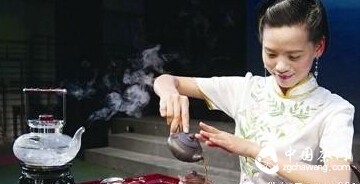
Tea Knowledge
【Bitterness and astringency are essential to tea】Bitterness and astringency are common flavors in tea, especially in new teas. The bitterness and astringency of Pu'er tea mainly come from the tea leaves themselves and the chemical changes during processing. Yunnan large-leaf tea varieties have richer internal components than other teas, so their bitterness and astringency are relatively stronger! However, the natural bitterness and astringency of tea can gradually transform into sweetness after several years of aging for Pu'er tea.
As early as the Western Han Dynasty, tea drinking had become relatively common in China, and specialized tea markets existed. By the Tang Dynasty, tea drinking had spread among the common people and became a daily custom. By the Song Dynasty, the Tang Dynasty's boiling tea method evolved into "tea competitions," reaching a higher artistic level of tea tasting. These competitions were used to evaluate the quality of tea, the color, aroma, and taste of the tea infusion, as well as the tea-making skills and tea ceremony of the participants.
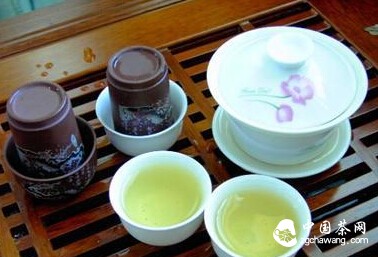
【How to brew Oolong tea】1. Rinse cups: Use boiling water to clean the tea set. 2. Place tea: Put tea leaves into the gaiwan. 3. Pour water: Pour boiling water from a height into the gaiwan. 4. Skim foam: Gently skim off the white foam on the surface with the lid. 5. Pour tea: Pour the tea (steeped for 1–2 minutes) into teacups in turn. 6. Distribute tea: Evenly distribute the remaining tea drops into each cup. 7. Smell tea: Lift the cup and gently inhale its aroma. 8. Drink tea.
Tea is bitterness, aftertaste, subtle fragrance, pure beauty, tranquility, relaxation, aromatic, and endless回味? No matter what tea, if it brings joy, tea is like a lamp-lit old friend returning from afar; perhaps what you want at that moment is just the mood to drink alone, and tea becomes a projection of your own feelings, indulging yourself under the candlelight, letting yourself enter stillness, concentration, and dreams.
Musings
Brewing tea—most teas require boiling water. If the water temperature is not high enough, the effective components and aroma of the tea cannot be fully released. Only when the tea leaves are repeatedly lifted and sunk by the impact of boiling water can a richly aromatic cup of tea be brewed. Brewing tea is like reflecting on life: only after experiencing various twists and turns and the ups and downs of life and work can one understand the meaning of life and taste its true flavor.
Remember, not everything goes as planned, but everything is worth trying. When a person leaves, the tea grows cold—this is natural law; when a person has not left, but the tea grows cold—this is the coldness of worldly ways. A cup of tea: Buddhists see Zen, Taoists see energy, Confucians see propriety, and merchants see profit. Tea says: I am just a cup of water. What I give you is only your imagination. What you think, that is what you are. The mind is tea, and tea is the mind.
Life is like tea: only with ups and downs can there be calmness; only with bitterness can there be fragrance. Those who have never weathered storms are like tea brewed with warm water—they only float on the surface of life and cannot infuse the fragrance of life. Those who have braved wind and rain are like fine tea brewed with boiling water, sinking and rising through the vicissitudes of time, finally releasing a refreshing fragrance. Prosperity makes one slack; adversity makes one grow. Do not complain about life. Let go of an agitated mind, be calm, composed, and at ease with circumstances.
True happiness must come from within. A little more smile, a little more beauty. Life is but a journey—the landscapes passed, the years walked, the wrinkled face, the soul that will eventually depart, all will fade into peace and stillness. Silent in mind, peaceful without words. In the end, a lifetime is just drinking a cup of tea mixed with worldly flavors—strong or light, mild or shallow—and quietly leaving after finishing the cup, just like that.