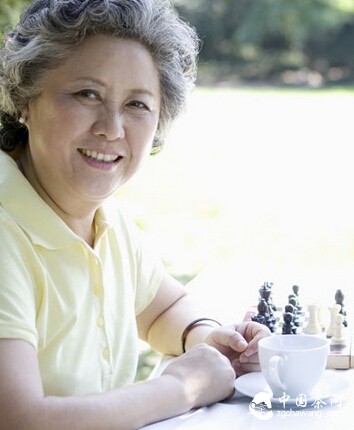
Drinking tea is beneficial to health, but for the elderly, the excessive caffeine in strong tea often causes tachycardia and arrhythmia. Therefore, it is best for the elderly to follow the principle of "light taste, moderate amount, drink less after meals, no tea before bedtime, brew and drink immediately, and do not drink tea when taking medicine."
Tea is a beverage chosen by many adults, and drinking tea can have certain health benefits. However, although tea is healthy, the rationality of tea drinking should still be noted, especially for the elderly who should follow the principle: "light taste, moderate amount, drink less after meals, no tea before bedtime, brew and drink immediately, and do not drink tea when taking medicine." This is because, although tea has certain functional effects, for the elderly, the excessive caffeine in strong tea often causes tachycardia and arrhythmia. Therefore, elderly people with coronary heart disease, pulmonary heart disease, or hypertension should drink light tea and in small amounts. The elderly should pay attention to the following points when drinking tea:
Do not drink too much tea
Tea has the effects of refreshing and eliminating fatigue, but should not be consumed in excess. Because the main component in tea is caffeine, excessive intake can cause excitement, restlessness, and insomnia.
Tea should not be too strong
Strong tea often contains excessive caffeine, which can cause tachycardia and arrhythmia. Therefore, elderly people with coronary heart disease, pulmonary heart disease, or hypertension should drink light tea and in small amounts.
Do not drink tea immediately after meals
Drinking tea immediately after meals can cause indigestion and a deficiency of certain nutrients.
Do not drink tea before bedtime
Tea has the effects of refreshing and diuresis. Therefore, elderly people should not drink tea at night to avoid excitement, insomnia, and frequent urination, which can affect normal sleep. Generally, it is better to switch to drinking plain water after dinner.
Do not take medicine with tea
Because the tannins in tea can combine with drugs and precipitate, this can change the nature of the drug, hinder absorption, and affect efficacy.
Do not drink overnight tea
Tea left for too long is easily contaminated, and the composition of the tea can easily change, so drinking overnight tea is harmful to the body.
Several types of people should not drink tea
Tea can increase the basal metabolic rate, so people with hyperthyroidism should not drink tea; tea can stimulate gastric acid secretion, so people with ulcers should be cautious when drinking tea and must not drink strong tea; because tea leaves contain a large amount of tannic acid, which can affect the body's absorption of iron and protein, people with malnutrition and iron deficiency anemia should not drink tea; people with severe arteriosclerosis or hypertension should not drink strong tea, at least when their condition is unstable.
Do not drink tea on an empty stomach
Some people like to drink tea on an empty stomach after getting up in the morning, which can dilute gastric juice, affect digestion, and be harmful to the body.
Recommended tea drinking method for the elderly: Brew a cup of tea after breakfast. When thirsty and the tea is warm, sip it slowly and continuously add water. In this way, a cup of tea drunk in the morning has a higher concentration of caffeine and tannic acid, which refreshes the mind and aids digestion; by noon, the tea has been diluted, so it does not affect the afternoon nap; and by the afternoon, it is basically drinking water.