Introduction
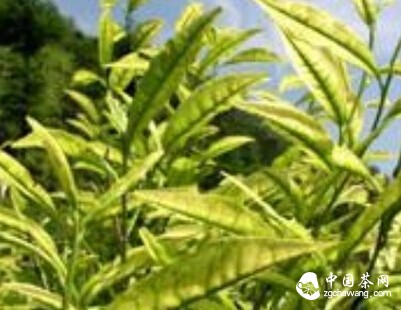
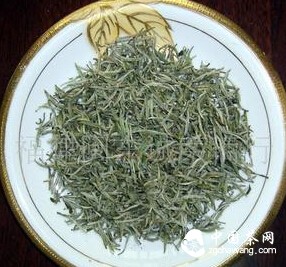
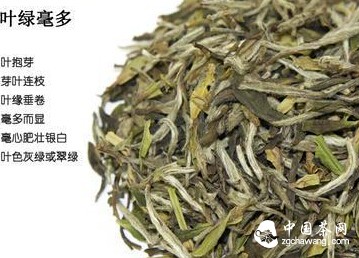
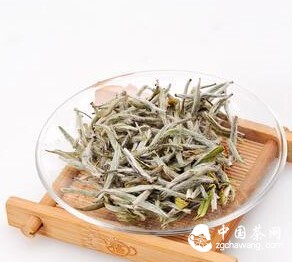
White tea, a slightly fermented tea, is a traditional famous tea created by Han Chinese tea farmers. It is one of the six major types of Chinese tea. It refers to a type of tea that, after picking, does not undergo pan-firing or rolling, but is only processed by sun-drying or low-heat drying. It has the quality characteristics of complete buds and downy leaves, covered in white down, with a fresh and clear downy aroma, a yellow-green and clear liquor, and a light, sweet taste. It is a slightly fermented tea and a special treasure among Chinese teas. It gets its name because the finished tea is mostly buds, covered in white down, looking like silver and snow. The main producing areas include Fuding, Zhenghe, Songxi, and Jianyang in Fujian, Jinggu in Yunnan, and Jing'an in Jiangxi. The basic processing includes withering, baking (or shade drying), sorting, and re-firing. The advantage of Yunnan white tea's sun-drying process lies in retaining the original fresh flavor of the tea leaves. Withering is the key step in forming the quality of white tea.
Efficacy
White tea has excellent medicinal properties. It has effects such as relieving alcohol intoxication, clearing heat and moistening the lungs, calming the liver and benefiting the blood, reducing inflammation and detoxifying, lowering blood pressure and reducing fat, and eliminating fatigue. It is especially effective for discomfort caused by excessive smoking and drinking, excessive greasy food, and hyperactivity of liver fire leading to digestive dysfunction, and has unique and wonderful health benefits.
Treating Measles
White tea has anti-cancer, anti-tumor, heatstroke prevention, detoxifying, and toothache-relieving properties. Especially aged white tea can be used as an antipyretic for children suffering from measles, and its fever-reducing effect is better than antibiotics. It is widely regarded as a good medicine for treating and nursing measles patients in North China and Fujian production areas. Therefore, the Qing Dynasty scholar Zhou Lianggong recorded in "Min Xiao Ji": "Baihao Yinzhen (Silver Needle), produced in Tai Mu Mountain Hong Xue Cave, cold in nature, its effects comparable to rhinoceros horn, is a holy medicine for treating measles."
Promotes Blood Sugar Balance
Besides the inherent nutrients found in other teas, white tea also contains active enzymes necessary for the human body. Long-term consumption of white tea can significantly increase the activity of lipoprotein lipase in the body, promote fat decomposition and metabolism, effectively control insulin secretion, delay the intestinal absorption of glucose, break down excess sugar in the blood, and promote blood sugar balance. White tea is rich in various amino acids, is cold in nature, and has the effects of reducing fever, relieving heat, and detoxifying.
Improves Eyesight
The longer white tea is stored, the higher its medicinal value becomes. White tea is also rich in vitamin A precursor. After being absorbed by the human body, it is quickly converted into vitamin A. Vitamin A can synthesize rhodopsin, which allows the eyes to see more clearly in dim light and can prevent night blindness and dry eye syndrome. At the same time, white tea also contains anti-radiation substances that significantly protect the body's hematopoietic function and reduce the harm from TV radiation.
Protects the Liver
The dihydromyricetin and other natural flavonoids in white tea leaves can protect the liver, accelerate the breakdown of acetaldehyde (the metabolite of ethanol) into non-toxic substances, and reduce damage to liver cells. On the other hand, dihydromyricetin can improve the increase in serum lactate dehydrogenase activity caused by liver cell damage, inhibit the formation of collagen fibers in hepatic M cells, thereby protecting the liver, and significantly reducing the damage of ethanol to the liver, allowing the liver to quickly return to a normal state. At the same time, dihydromyricetin takes effect quickly and has a lasting effect, making it a good product for protecting the liver and relieving alcohol intoxication.
Precautions
When drinking white tea, it should not be too strong. Generally, 5 grams of tea leaves are enough for 150 ml of water. The water temperature should be above 95°C. The first infusion should last about 3 minutes. After filtering, pour the tea into a teacup and enjoy. The second infusion only needs 5 minutes, meaning it should be brewed and drunk immediately. Generally, a cup of white tea can be infused four to five times.
White tea is cold in nature. Those with stomach "heat" can drink it on an empty stomach in moderation. Those with a neutral stomach can drink it anytime without issue, while those with stomach "cold" should drink it after meals. However, white tea generally does not irritate the stomach lining.
There are no strict requirements for utensils used to drink white tea; teacups, tea bowls, teapots, etc. can all be used. If using the tea set and brewing method for "Gongfu tea", the effect is naturally better.
The dosage of white tea is generally sufficient at 5 grams per person per day, and elderly people should use even less. The same applies to other teas; drinking too much will lead to "extremes meet" and will not have a health-promoting effect. It should also be reminded that people with kidney deficiency and weak constitution, heart disease patients with rapid heartbeat, patients with severe hypertension, severe constipation, severe neurasthenia, and iron deficiency anemia should not drink strong tea, nor should they drink tea on an empty stomach. Otherwise, it may cause "tea intoxication".
White tea should be consumed regularly, not intermittently. The health benefits of white tea are cumulative and long-term; interruption will make it difficult to achieve the desired effect. The ancient famous doctor Hua Tuo stated in "Shi Lun" (On Food): "Drinking bitter tea for a long time benefits the mind and spirit." Tea should also be drunk at appropriate times, not blindly. As the saying goes: "Tea after meals aids digestion, tea at noon boosts energy." It is not suitable to drink tea before meals or just before bedtime.
Storage Methods
First: Store white tea in a container
Store tea leaves in a tea canister to prevent crushing. For canister selection, tin canisters are best, followed by iron and paper canisters. Good sealing is required.
Second: Charcoal storage method
Put an appropriate amount of charcoal into a small cloth bag, place it at the bottom of the tea storage canister, then layer the packaged tea leaves in the canister, and seal the container. The charcoal should be replaced once a month.
Third: Refrigerated storage method
Seal the tea leaves in a bag or tea canister and store them in the refrigerator, preferably at a temperature of 5°C.
Fourth: Thermos flask storage method
Place the white tea leaves into a new thermos flask and seal it tightly.
Fifth: Store white tea in a cool, dark place
Because under high-temperature conditions, the chemical changes of the components in the tea leaves accelerate, causing the quality to age faster. Light causes photochemical reactions in the tea components, thereby losing the original style and quality.
Sixth: Quicklime storage method
Pack quicklime in a cloth bag, and also seal the tea leaves in packaging. The tea leaves should be sealed and kept away from odorous items. It is important to note that the quicklime bag should preferably be replaced every two months.