1. Drink black tea to prevent influenza
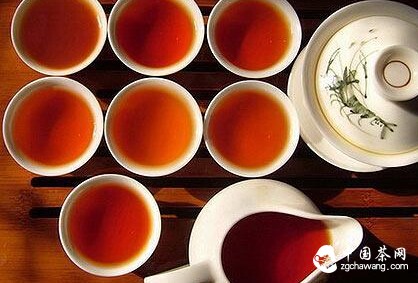
Black tea is the best choice for winter. Black tea is warm and nourishes the body's yang energy; it is rich in protein and sugar, generates heat and warms the abdomen, enhances the body's ability to resist cold, and aids digestion and removes greasiness. In some parts of China, there is also the habit of adding sugar, milk, and sesame to black tea, which can generate heat, warm the abdomen, increase nutrition, and strengthen the body.
Research has found that black tea can reduce the incidence of stroke and heart disease. Stroke and heart disease are common in winter, so elderly people with cardiovascular and cerebrovascular diseases can brew a cup of warm black tea in winter to warm the body and prevent diseases. In addition, rinsing the mouth with black tea or drinking it directly can also prevent influenza, which is particularly necessary in winter. Drinking black tea also has unique effects in preventing osteoporosis and reducing the risk of skin cancer, making it suitable for a wider audience. Since black tea is a fermented tea with mild irritation, it is especially suitable for people with weak stomachs and frail bodies.
2. Turn to green tea for internal heat
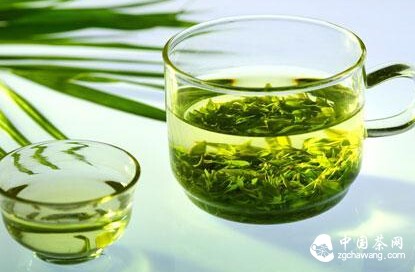
The winter climate is dry, and people tend to eat greasy and spicy foods, making excessive internal heat a common health issue, leading to constipation, dry mouth and tongue, and even mouth sores. In such cases, green tea can help. Green tea is unfermented, cold in nature, and can clear heat. It is the best for reducing internal heat, promoting body fluids, quenching thirst, aiding digestion, and resolving phlegm. It also accelerates the healing of mild gastric ulcers and lowers blood lipids, preventing vascular sclerosis. Therefore, people prone to internal heat, those who smoke and drink alcohol, and those with a heavier body type (usually of the solid heat constitution) are more suitable for drinking green tea. However, people with a weak and cold stomach should not drink green tea.
3. Seek oolong tea for dry mouth and throat
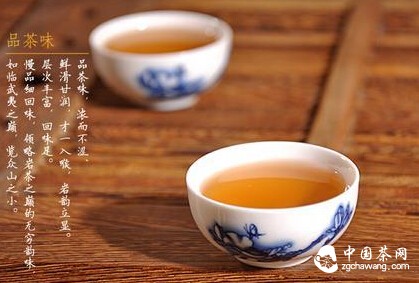
Oolong tea is a semi-fermented tea, between green and black tea, with a bluish-brown color, hence the name "qing tea". In taste, oolong tea has both the freshness and natural floral fragrance of green tea and the rich flavor of black tea. It is neither cold nor hot, with balanced warmth, so it moisturizes the skin, soothes the throat, promotes body fluids, and clears internal heat, helping the body adapt to natural environmental changes. In winter, indoor air is mostly dry, and people are prone to dry mouth, throat, and chapped lips. Brewing a cup of oolong tea can relieve these discomforts. In addition, oolong tea has a good effect on breaking down proteins and fats, preventing fat accumulation in the liver, making it helpful for those worried about winter weight gain.
4. Sip flower tea for depression
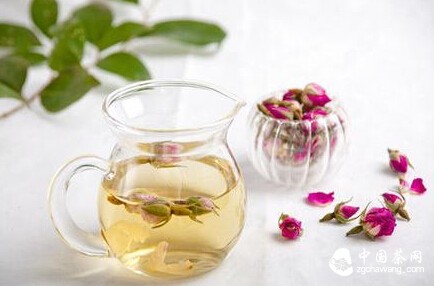
Flower teas include jasmine tea, magnolia tea, osmanthus tea, rose tea, etc. They are made by using green tea as a base and scenting it with different fragrant flowers. Generally, flower tea can nourish the liver, benefit the gallbladder, strengthen limbs, and unblock meridians. Jasmine tea, for example, can clear heat, relieve summer heat, strengthen the spleen, and calm the mind. It is effective in treating dysentery and preventing stomach pain. Honeysuckle tea can clear heat, detoxify, refresh the mind, quench thirst, and is effective for sore throats, as well as preventing influenza. Therefore, it is worth choosing flower tea in winter. Especially for women who feel depressed or irritable during menopause or menstruation, drinking flower tea can help alleviate moodiness.
5. Dark tea for warmth and fat reduction
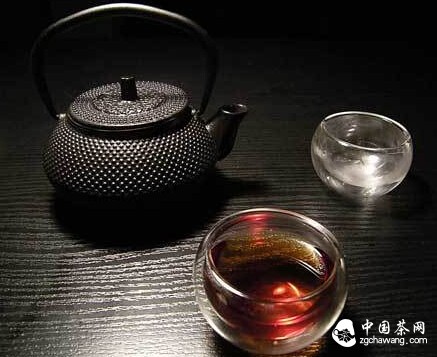
Dark tea is a unique tea in China with a long history and a variety of types, such as Yunnan Pu'er tea, Hunan Fu brick tea, Guangxi Liubao tea, Hubei Qing brick tea, and Sichuan border tea (Kang brick). Dark tea is a post-fermented tea. Under the action of microorganisms, the tea leaves undergo a series of complex chemical reactions, producing functional components beneficial to the human body.
Pu'er tea and Fu brick tea are representatives of different types of dark tea in China. Their active components differ, but both have lipid-lowering effects. Current research shows that Pu'er tea has health functions such as lowering blood sugar, blood lipids, and antiviral effects. Its lipid-lowering effect may be related to statin-like compounds. Fu brick tea also has a good effect on reducing greasiness and fat, with strong lipid-lowering and weight-loss functions. In addition, dark tea is rich in minerals, with many types at higher levels than other teas. Dark tea is warm in nature, helps resist cold, and is suitable for people with a cold constitution.
Dark tea is simple to brew, and you can use a purple clay pot, a brewing pitcher, or a covered bowl.
6. White tea for antibacterial and anti-radiation effects
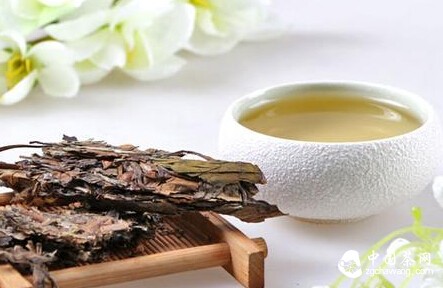
The processing of white tea is relatively simple, consisting of withering and drying. Due to its unique production method, the finished tea is covered with white down, with buds and stems connected, natural and elegant in shape, silver-white and gray-green in color, and light in liquor. According to picking standards, it can be divided into Baihao Yinzhen, Bai Mudan, Gongmei, and Shoumei.
The chemical composition of white tea is generally similar to that of green tea. According to some related literature, white tea has better antibacterial effects compared to other teas. In addition, white tea also has good anti-radiation effects. In the United States and Europe, white tea extracts are used in facial skincare products. White tea is cool in nature and can reduce internal heat and dryness.
The brewing method for white tea is generally similar to that of green tea.
7. Yellow tea for everyone
Yellow tea is divided by the tenderness of fresh leaves into yellow bud tea (such as Junshan Yinzhen, Mengding Huangya, and Mogan Huangya), yellow small bud tea (such as Weishan Maojian, Beigang Maojian, and Pingyang Huangtang), and yellow large-leaf tea (such as Anhui Huoshan Huangda Cha and Guangdong Dayeqing). The main quality characteristic of yellow tea is yellow leaves and yellow liquor. Not only the infused leaves but also the liquor and dry tea appear yellow and bright, with a clear aroma and a rich, refreshing taste.
Currently, there is relatively little research on the health benefits of yellow tea. Compared to the cool nature of green tea and the warm nature of black tea, yellow tea's nature is between the two, making it suitable for almost everyone.
The brewing method for yellow tea is generally similar to that of green tea.