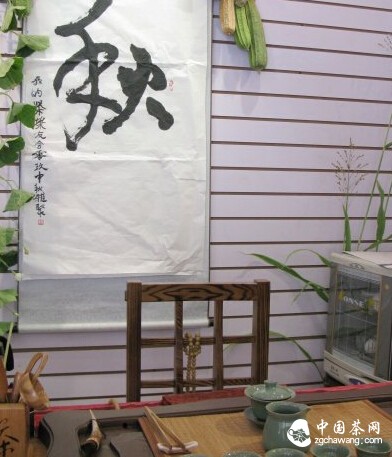
In the Tang Dynasty, the Compendium of Materia Medica stated that tea "consumed over time makes one thin." Because tea is rich in vitamins, it can dissolve grease and help digest meat and oily foods. However, as seasons and individual constitutions differ, our choice of tea should also vary. So, how should we drink tea in autumn?
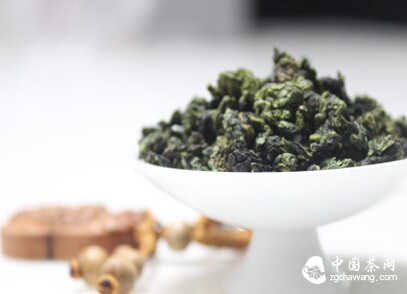
First, we need to select the right tea. Autumn skies are high and clouds are light, and the climate is dry, easily causing thirst. At this time, it is suitable to drink oolong tea. Oolong tea, also known as semi-fermented tea (common examples include Anxi Tieguanyin). It combines the advantages of both black tea and green tea, with the rich taste of black tea and the refreshing aroma of green tea. Its nature is neither cold nor hot, but mild and balanced. In traditional Chinese medicine, oolong tea helps generate saliva, moisten the throat, nourish the lungs, clear heat, and detoxify. It helps the body adapt to the multiple changes of the autumn environment, making it very suitable for autumn consumption.
Though oolong tea is good, many people, especially young women, are not accustomed to its taste. For them, there is another tea that is their favorite and also has the effects of moistening the lungs, relieving dryness, and preventing diseases—flower tea.
For example, people who stare at computer screens for long periods often experience dizziness, heavy-headedness, and dry eyes. For such individuals, traditional Chinese medicine recommends drinking more chrysanthemum tea. However, when purchasing chrysanthemum tea, it is advised to choose Hangzhou white chrysanthemum rather than wild chrysanthemum. Chrysanthemum is cool in nature, and although Hangzhou white chrysanthemum is also slightly cool, it is not as bitter and cold as wild chrysanthemum; it is milder and has a gentler effect on the body. Moreover, the two have different effects: Hangzhou white chrysanthemum mainly clears the liver and improves eyesight, making it suitable for autumn, while wild chrysanthemum mainly clears heat and detoxifies, better for summer. At work, we can brew a pot with some goji berries, white chrysanthemum, and a little green tea, and drink it from time to time—it is very good for our health.
In summary, drinking tea in autumn is an excellent health practice. However, as a special group, the elderly should be reminded that it is best to drink tea in the morning, as tea's stimulating effect lasts long and may affect sleep. Even drinking tea in the afternoon can cause insomnia at night. Moreover, the elderly should not drink too much tea—4 to 5 cups per day is appropriate. Excessive consumption may lead to high intake of tannic acid, which easily reacts with food proteins to form indigestible precipitates, potentially causing malnutrition over time and aggravating habitual constipation that the elderly are prone to.