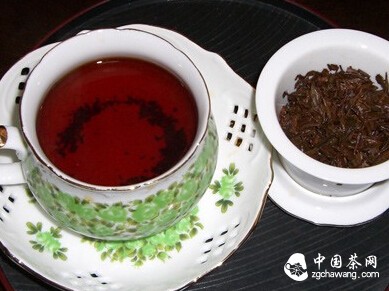
Keemun black tea is mainly produced in the Qimen area of Anhui Province. High-grade Keemun has a tightly bound, slender, and delicate appearance, with a dark, glossy color. After brewing, the tea liquor appears rich red, with a fresh, lasting, and fragrant aroma, often carrying a distinct sweetness and sometimes a rose-like fragrance. This unique scent of Keemun is referred to by many foreign consumers as "Keemun fragrance."
Keemun black tea is a standout among "black teas," renowned worldwide for its "high aroma, mellow taste, beautiful shape, and bright color." Drinking it plain best reveals its special flavor; when milk is added, the liquor turns a creamy pink while retaining its aromatic qualities. This has earned it high praise in the international market. British tea lovers particularly enjoy "Keemun," especially older individuals who have a strong preference for high-grade "Keemun." Some savor it as a prized "afternoon tea," others drink it as breakfast tea, display it as a sign of elegance, or gift it as a treasured item.
Nutritional Value
Keemun black tea is rich in riboflavin, folic acid, carotene, tocopherols, and phylloquinone, and is an important source of fluoride in food.
Energy: The calorie content of black tea is below 1244 kJ per 100 grams.
Protein: The content of theanine and total amino acids in black tea ranks second among all tea types, but black tea also contains small amounts of free amino acids. Carbohydrates and fats: Most carbohydrates in tea are polysaccharides, with only 4%–5% of tea's soluble matter being polysaccharides that dissolve in boiling water, making it a low-sugar beverage. The lipid content in black tea generally does not exceed 3%.
Vitamins: Black tea contains a significant amount of Vitamin C, second only to green tea.
Minerals and Trace Elements: Black tea is rich in minerals and trace elements such as calcium, copper, sodium, phosphorus, and zinc.
Health Benefits
Due to the multiple pharmacological effects of black tea's components, enjoying a cup not only allows one to experience a calm and elegant demeanor but also offers economical and delightful benefits in health and beauty, further enhancing the charm of black tea.
Refreshing and Relieving Fatigue
The caffeine in black tea stimulates the cerebral cortex to excite the central nervous system, promoting alertness and concentration, thereby sharpening thinking and enhancing memory. It also excites the vascular system and heart, strengthening heartbeats, accelerating blood circulation to boost metabolism, and promoting sweating and urination. This dual action accelerates the excretion of lactic acid (a substance that causes muscle fatigue) and other waste products from the body, achieving fatigue relief.
Quenching Thirst and Clearing Heat
Drinking black tea in summer can quench thirst and relieve heat because the polyphenols, sugars, amino acids, and pectin in the tea chemically react with saliva, stimulating saliva secretion, resulting in a moist mouth and a cooling sensation. Meanwhile, caffeine controls the thermoregulatory center in the hypothalamus, regulating body temperature, and also stimulates the kidneys to promote the excretion of heat and waste, maintaining physiological balance in the body.
Diuretic Effect
Under the combined action of caffeine and aromatic substances in black tea, renal blood flow increases, glomerular filtration rate rises, renal microvessels dilate, and the reabsorption of water in the renal tubules is inhibited, leading to increased urine output. This helps eliminate lactic acid, uric acid (related to gout), excess salt (related to hypertension), harmful substances, etc., and alleviates edema caused by heart disease or nephritis.
Anti-inflammatory and Sterilizing
The polyphenolic compounds in black tea have anti-inflammatory effects. Experiments have shown that catechins can bind with single-celled bacteria, causing protein coagulation and precipitation, thereby inhibiting and killing pathogens. Therefore, it is beneficial for patients with bacillary dysentery or food poisoning to drink black tea. Folk remedies also use strong tea to wash wounds, bedsores, and athlete's foot.
Detoxification
The tea alkaloids in black tea can adsorb heavy metals and alkaloids, precipitating and decomposing them. This is a boon for modern people whose drinking water and food may be polluted by industry.
Stomach Nourishing
Black tea undergoes fermentation and baking. Under the action of oxidase, tea polyphenols undergo enzymatic oxidation, reducing their content and thus lessening irritation to the stomach. Additionally, the oxidation products of tea polyphenols can promote digestion. Therefore, black tea not only does not harm the stomach but can actually nourish it. Regularly drinking sweetened or milk-added black tea can reduce inflammation, protect the gastric mucosa, and have some effect on treating ulcers.
Others
In addition, black tea also has benefits such as preventing tooth decay, delaying aging, lowering blood sugar, lowering blood pressure, lowering blood lipids, anti-cancer, anti-radiation, and weight loss.
Identification
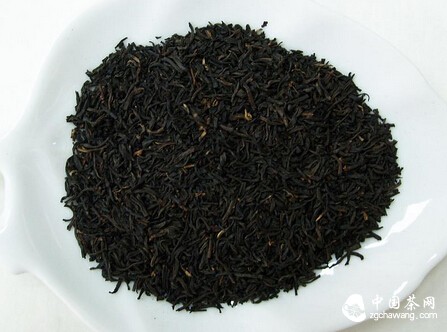
The main characteristics of Keemun are: tightly bound, slender leaves with prominent tips and a dark, glossy color; a lasting, elegant aroma reminiscent of both fruit and orchids, which the international tea market specifically calls "Keemun fragrance"; a bright red, clear liquor; and a fresh, red, and bright infused leaf. The taste is mellow with a long-lasting aftertaste.
Identifying Keemun black tea is a technical task, mainly assessed from the following aspects:
1. Appearance: Tight, fine, and uniform leaves indicate good quality; coarse, loose, and uneven leaves indicate poorer quality.
2. Infused Leaf: Bright leaves indicate good quality; bluish leaves are average; dark, dull, and overly dark leaves are inferior.
3. Color: A dark, glossy, and lustrous color indicates good quality; uneven, dull, or dryly dark colors indicate poorer quality.
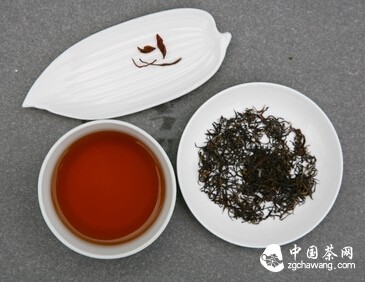
4. Liquor Color: A bright red liquor with a golden ring at the edge of the tasting cup is excellent; a less clear liquor is average; a dark and muddy liquor is inferior.
5. Taste: A mellow taste is excellent; a bitter or astringent taste is average; a coarse and bland taste is inferior.
6. Aroma: A rich, fragrant aroma indicates good quality; an impure aroma with grassy notes indicates average quality; a low, stale aroma is inferior.
7. Keemun tea appears brownish-red, cut into 0.6–0.8 cm pieces, with a strong, mellow, and brisk taste. Fake tea often contains artificial coloring, tastes bitter and bland, and has irregular leaf shapes.