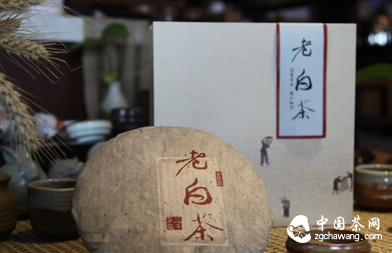
White tea is a unique gem among all teas. Unlike other tea leaves, aged white tea has a fever-reducing effect better than antibiotics, and also has anti-inflammatory and antibacterial uses. It contains the most tea polyphenols, has the best antioxidant properties, and can effectively control insulin secretion. Some experts even say that the heat-clearing effect of aged white tea is equivalent to that of rhino horn! It is renowned as “tea in the first year, medicine in the third, and treasure in the seventh.”
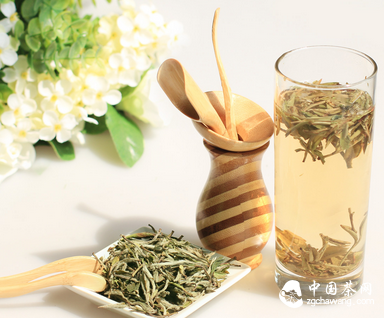
It originates from Fujian and is divided into Silver Needle, White Peony, Gongmei, and Shoumei. The traditional process involves drying the buds and leaves in the sun without destroying enzyme activity, allowing it to become a “living tea” that can age. Although the transformation is slow, the color deepens, the soup thickens, the taste becomes mellow, and the tea nature changes from cool to warm. The aroma may include reed leaf, date, and medicinal scents, and the taste may resemble aged Pu'er or aged Liubao. Unfortunately, high-grade aged white tea is very rare to find.
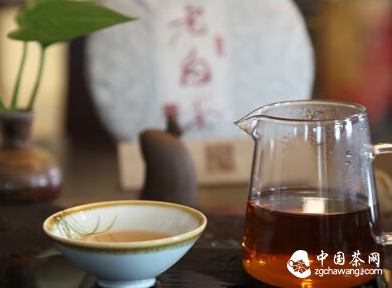
Whether it is setting up a tea ceremony to entertain friends, or drinking alone in contemplation; whether it is quietly burning incense by oneself, or sharing happiness with everyone at an afternoon salon. Whether living in a foreign land, or on a journey of travel. All of these are a state of life.