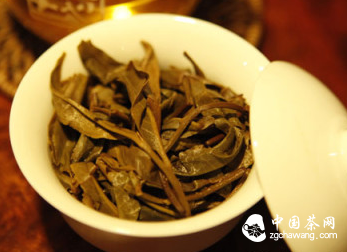
Actually, appreciating tea aroma is simple. Six easy steps can make you easily become a connoisseur.
The moments to appreciate tea aroma occur at every stage of brewing:
Step 1: Observe its color, smell its aroma
When you pick up the canister containing the tea leaves, the aroma of tea is already floating in the air. Open the tea canister, and the enclosed space inside is filled with a rich tea fragrance. Take some tea leaves in your palm, lower your head and gently sniff—the aroma presents itself in another form.
Step 2: Get close to the teapot, perceive the aroma's charm
Place the tea leaves in the teapot, pour boiling water over them, and instantly the fragrance spreads, refreshing your mind and spirit. Bring the lid of the teapot to the tip of your nose and deeply inhale the fragrance adhering to it. Then bring the teapot itself to your nose and sense the change in aroma after the tea leaves have been moistened and heated.
Step 3: Meet the taste buds, merge with the body
Pour the tea soup into a cup, raise the cup, close your eyes, and take a deep breath of the aroma emanating from the surface of the tea soup. After the tea soup goes down your throat, the bottom of the cup still holds a lingering fragrance not to be missed, waiting to communicate with our olfactory nerves.
Step 4: Sip gently and savor, leaving fragrance on lips and teeth
Take the tea soup into your mouth, gently hold it on your tongue, and instantly the fragrance spreads—either filling your mouth and the space between your lips and teeth, or rising to the upper palate and nasal cavity. As you brew the tea multiple times, the aroma may continuously change.
Step 5: Slow down, let the aftertaste linger
If we have time, we can slightly slow down the pace of tea tasting. After the tea soup slides down the tongue and into the body, let the tea fragrance envelop the entire mouth, or let it reverberate in the throat and nasal cavity.
Step 6: The aged aroma in memory, recreating past times
There is also a kind of tea fragrance that is not sensed by the olfactory senses, but rather by the deep perception of the brain—that is the aged aroma in memory. The awakening of this tea fragrance, like an old song, recalls the beautiful experiences deep in memory, allowing time to turn back and life's moments of emotion to be relived once again.
A fine tea aroma should be experienced this way.