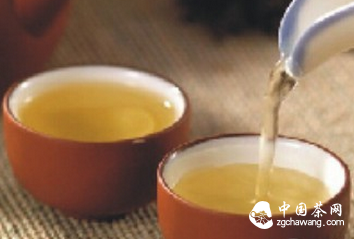
Everyone knows that the quality of Pu'er tea can be judged from its appearance, infused leaves, aroma, etc. Can it also be judged from the soup color? How to identify the quality of Pu'er tea from its soup color?
(1) Light Yellow: The soup color is yellow and pale, also known as "pale yellow." It is the soup color of low-grade sun-dried green tea with insufficient substances. If tender raw materials show this soup color, it is often caused by the fresh leaves being dampened or the rolled leaves not being spread and dried in time during processing.
(2) Yellow-Green: A green with a hint of yellow soup color, resembling the color of a half-ripe orange, also called orange-green. This is the soup color of medium-to-high-grade sun-dried green tea, often seen in spring tea. This soup color can only appear if rolling and drying are done promptly during processing.
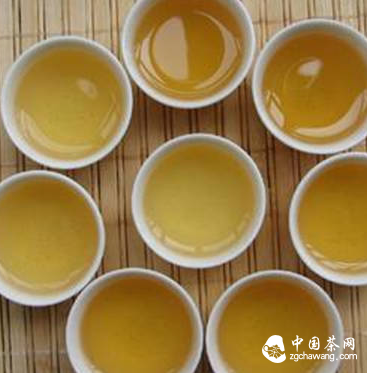
(3) Green and Bright: Emerald green with a slight yellow, clear and vivid. This indicates fresh leaves picked and processed in time, with proper fixation and quick drying without dampening. It is the soup color of high-quality sun-dried green tea, often accompanied by a "lotus fragrance." This soup color is commonly seen in early spring tea. As the raw tea ages, the soup color gradually turns to apricot yellow and clear.
(4) Green-Yellow: A soup color with more yellow than green, similar to "pale yellow." This soup color often appears in sun-dried green tea produced between Qingming and Guyu. It is a sign of slight deterioration of fresh leaves, low fixation temperature during processing, or untimely spreading and drying of rolled leaves. Often accompanied by a "green grass or steamed odor."
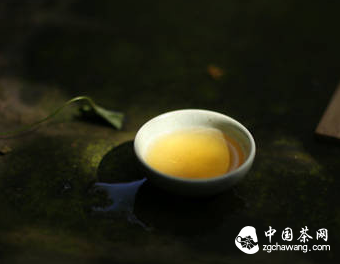
(5) Orange-Yellow: The tea soup is yellow with a slight red tint, resembling orange or tangerine color. For new tea, this soup color is often a sign of deterioration of fresh tea leaves or low fixation temperature, usually accompanied by a "black tea fragrance" or "raw and astringent taste." For aged raw tea stored for 3–5 years, this color appears but with high brightness.
(6) Deep Yellow: The soup color is dull yellow, deep and lacking luster. For new tea, this soup color is often caused by blending tea leaves from several days or prolonged drying of rolled leaves. Aged raw tea may also show this color, but in old tea, yellow soup must have good brightness.
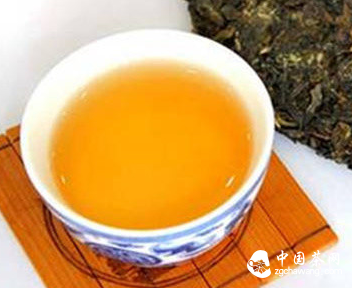
(7) Dark Green: The soup color is greenish and dull. This is often seen in "purple bud tea" with high anthocyanin content, or sun-dried green tea grown in high-manganese soil, or tea contaminated by "new iron." The taste is often more bitter and astringent, and tea contaminated by "new iron" often has a floating layer similar to an "oil film" on the surface.
(8) Red Soup: The soup turns brownish-red. This is a sign of severe deterioration of fresh leaves, often accompanied by a "sour" smell, indicating poor-quality sun-dried green tea. For aged tea, such red soup must be crystal clear, which is a rare and excellent tea.
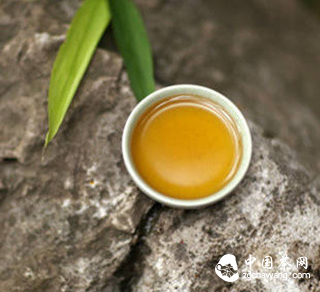
(9) Yellow Soup: The soup color of sun-dried green tea is yellow with no green. This is caused by the fixation leaves being "steamed yellow" by heat and moisture during processing, or the rolled leaves being dampened and turning yellow, indicating poor tea quality.
(10) Turbid and Dark: The soup color is mixed and dark, with many sediments, unclear, and difficult to see the bottom of the bowl. This is a sign that the sun-dried green tea was not fully dried during processing, and the "wet tea leaves" were bagged or dried in a closed environment for a long time. The taste is astringent and dull, with low tea energy, weak flavor, and a slightly sweet aftertaste.