Oolong Tea: Lowers Blood Lipids and Fights Aging
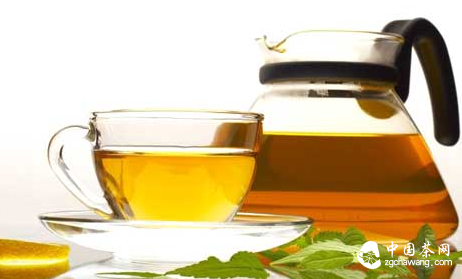
Oolong tea, known for its appearance of "green leaves with red edges," has unique characteristics among several major tea types. The production method of oolong tea also combines the techniques of green tea and black tea, so its quality lies between green tea and black tea, having both the rich freshness of black tea and the clear fragrance of green tea.
Oolong tea is also called "qingcha," with a fermentation degree between 30% and 60%, belonging to the semi-fermented tea category. The earliest origin of oolong tea is in Fujian, but whether it first appeared in the Northern Song Dynasty or the Xianfeng period of the Qing Dynasty is still debated. In terms of basic production techniques, oolong tea goes through sun-drying, cooling, tossing, kill-green, rolling, and drying. Depending on the method of "zuoqing" (withering and oxidation), it is divided into three subcategories: jumping zuoqing, shaking zuoqing, and hand zuoqing.
By origin, oolong tea is divided into Guangdong oolong tea, Taiwan oolong tea, and Fujian oolong tea.
Black Tea: Warm and Sweet, Regulates Spleen and Stomach
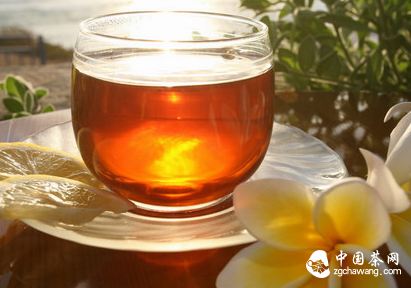
In China, black tea is the second largest tea type after green tea. Both the dry tea and the brewed tea soup are red, hence the name "black tea." The fermentation degree of black tea can reach 80-90%, belonging to the fully fermented tea category.
To this day, the exact time of the origin of black tea cannot be verified, but China began making black tea as early as the 17th century. The earliest black tea was invented by tea farmers in the Wuyi Mountain area of Fujian, named "Lapsang Souchong."
The production process of black tea is different from that of green tea. In terms of material selection, emphasis is placed on picking "one bud with two or three leaves." During production, fresh leaves are first placed in the air for natural withering before being processed. In traditional black tea production, the leaves go through rolling and drying steps. The key to determining tea quality is oxidation, which begins during the rolling step and is terminated when the leaves are dried. The leaves must be oxidized under certain temperature and humidity conditions to ensure quality. Finally, after drying, the leaves are sorted by size using sieves into different grades, and the process is complete.
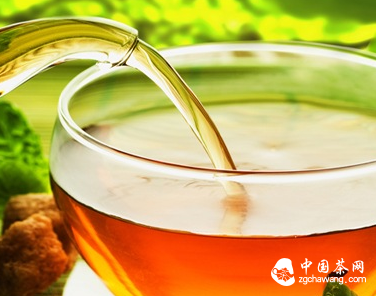
During the production of black tea, due to the absence of the "kill-green" step, the characteristics of red tea soup and red leaves are preserved.
Currently, China exports a large amount of black tea, accounting for about 50% of total tea production. Export destinations include the United Kingdom, Canada, Germany, Egypt, and many other countries.
Since black tea is a fermented tea, its nature is relatively warm. Especially small-leaf black teas, such as Lapsang Souchong, have a sweet and mellow tea soup with no刺激性, and also have the function of regulating the spleen and stomach. Abroad, it is customary to add milk and sugar to black tea soup, which can supplement nutrition and increase body warmth.
Green Tea: The Top of Six Teas, Clears Heat and Relieves Irritability
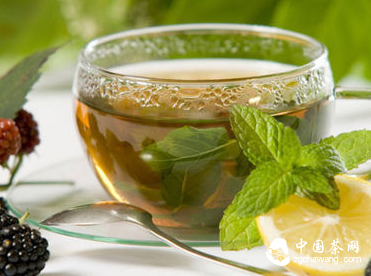
Green tea is one of the most important tea types in China, ranking first among the six primary processed teas. Green tea belongs to the unfermented tea category. Because both its dry tea and the brewed tea soup and leaf base are mainly green, it gets its name.
Generally, the production of green tea involves steps such as picking, kill-green, rolling, and drying. Among them, the kill-green step is the main characteristic of green tea processing. High-temperature kill-green quickly inactivates enzyme activity and inhibits oxidation, thus preserving the "green leaves" and "green soup" characteristics of green tea.
According to different kill-green and drying methods, green tea is divided into four types: steamed green tea, baked green tea, pan-fired green tea, and sun-dried green tea. Among them, pan-fired green tea is made by pan-firing, characterized by high aroma and intensity; baked green tea is dried using a basket oven, mostly used as a base for scenting flower teas, so its aroma is generally not as intense as pan-fired green tea; sun-dried green tea has a "strong sun flavor," made by pan-firing to kill enzymes, rolling, and then drying under sunlight; steamed green tea uses steam to destroy enzyme activity in fresh leaves. Tea made by this method has a deep green color, light green tea soup, and blue-green leaf base, but the aroma is relatively stuffy, and the astringency is stronger.
From a nutritional perspective, green tea is not fermented, so it well preserves the natural substances in tea leaves. The content of nutrients such as vitamins, chlorophyll, tea polyphenols, and amino acids is the highest among all tea types. Green tea can clear heat, relieve irritability, enhance thinking ability, and improve immunity.