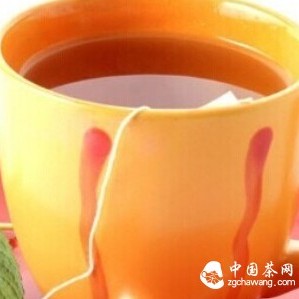
How to Drink Tea Scientifically and Reasonably: Choose Different Teas for Different Seasons
This article discusses how to drink tea scientifically and reasonably by considering tea properties, individual body constitutions, and seasonal changes. It explains that green tea is cool and suitable for summer, while black tea and oolong tea are warm and good for winter. Jasmine tea is recommende...
Tea News · Jun 14, 2026
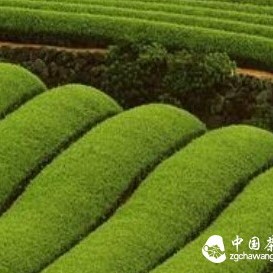
Learn About Autumn Tea
Autumn tea is harvested in the fall, when less rainfall and dry climate help preserve the aroma of the tea leaves. Its liquor and taste fall between spring and summer teas, with a mild fragrance. Traditionally, it is said that spring tea is bitter, summer tea is astringent, but autumn tea is good to...
Tea News · Jun 10, 2026
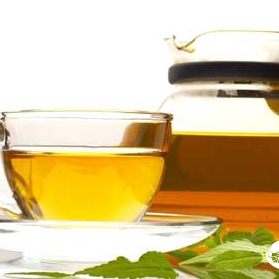
Showing Filial Piety on National Day, Tea Gift Is the Most Heartwarming
On the National Day holiday, returning home and bringing a tea gift for parents is a thoughtful way to express gratitude and care. The article introduces three types of tea: Oolong tea, which helps lower blood lipids and fight aging; Black tea, which warms the stomach and regulates spleen function;...
Tea News · Jun 01, 2026
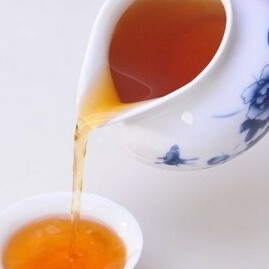
How to Brew Tea for a Better Taste
In modern life, many people have the habit of brewing tea. To make tea more aromatic, pay attention to the water quality—use mineral water, well water, or purified water. Different teas require different methods: green and flower teas should be brewed with water around 90°C, while black tea can use...
Tea News · May 17, 2026
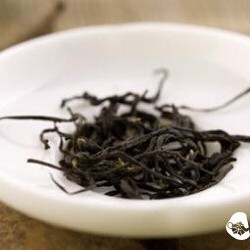
Do You Know the Five Key Points of Drinking Tea?
Tea drinking is an art with many nuances. This article outlines five essential considerations: first, brewing a good pot requires attention to tea leaves, water, temperature, time, and utensils. Second, tea is not suitable for everyone; individuals with certain health conditions like insomnia, heart...
Tea News · Apr 22, 2026
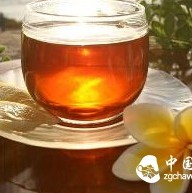
What is black tea and what are its effects?
Black tea is a type of fermented tea, made from one bud and two or three leaves of the tea plant. It undergoes a series of typical processes including withering, rolling (cutting , fermentation, and drying. The name 'black tea' comes from the predominant red color of its dried leaves and the brewed...
Tea News · Apr 21, 2026
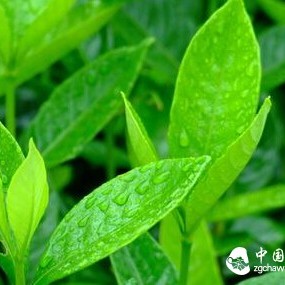
Chemical Composition of Tea
Tea contains various chemical substances, including amino acids, carbohydrates, trace elements, caffeine, and tea polyphenols, which constitute the unique color and flavor of tea. During processing, the moisture content is reduced from about 75% to approximately 3%. In the fermentation (oxidation s...
Tea News · Apr 11, 2026

The Most Mysterious Element in Pu-erh Tea - Temperature
From the tea tree to the tea leaves, and from the leaves to the teacup, temperature is a constant companion throughout the life of tea. This article explores the critical role of temperature in Pu-erh tea production. It begins with the cultivation of the Yunnan large-leaf varietal, which is sensitiv...
Tea News · Apr 01, 2026
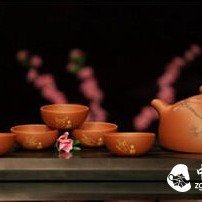
Come and see what tea suits you?
Tea is considered an excellent 'antidote' to various toxins, with different types suitable for different groups of people. During the hot summer, tea serves as a great beverage for preventing heatstroke and quenching thirst. It is also an affordable remedy against toxins like alcohol, nicotine, exha...
Tea News · Mar 30, 2026
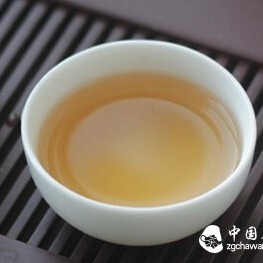
Which Tea is the "Cinnabar Mole" in Your Heart?
This article explores the unique charm and transformation of aged teas over time. It highlights how different types of tea, such as Oolong, Pu'er, Black tea, White tea, and even the less common aged Green tea, evolve through careful storage and the passage of years. Oolong tea develops a robust char...
Tea News · Mar 26, 2026