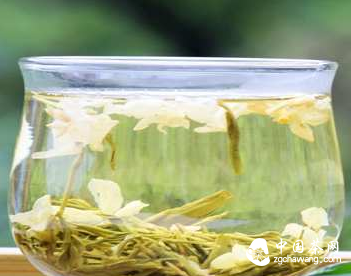
Premium Floral Tea: Jasmine Is Most Suitable for Women
Every year when jasmine flowers bloom in Fuzhou, the elegant fragrance of jasmine fills the minds of the older generation. Before the 1980s, Fuzhou jasmine tea was renowned both at home and abroad, making it a symbol of the city.
Jasmine tea is a reprocessed tea. Traditional Fuzhou jasmine tea uses baked green tea as the base and is scented with jasmine buds harvested in the summer. Through a series of processing techniques, the finished jasmine tea retains the refreshing taste of green tea while incorporating the fresh aroma of jasmine. It also preserves the cooling properties of tea, but because it is baked, it becomes a warm-natured tea that soothes the stomach, making it suitable for consumption all year round.
Jasmine tea is not only loved by people in China but also by those in Asia and coastal regions who appreciate its enchanting fragrance.
In India, jasmine tea is poetically called the "Queen of the Night." It has a relaxing effect on the mind, making it an ideal choice for office workers or those under stress. A cup of fragrant jasmine tea can bring a moment of relaxation and tranquility.
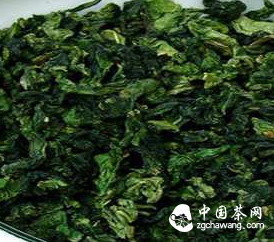
Health Preservation: Choose Aromatic Tieguanyin
As the saying goes, "Spring water, autumn aroma" — autumn tea is considered a fine product. With the arrival of Tieguanyin autumn tea, drinking oolong or Tieguanyin tea can help combat the dryness of autumn.
Tieguanyin is rich in amino acids, vitamins, minerals, tea polyphenols, and alkaloids. It offers various nourishing and medicinal benefits, including improving eyesight, antibacterial effects, weight loss, and anti-aging properties. Not only is it delicious and aromatic, but its health benefits are also among the best in the tea world.
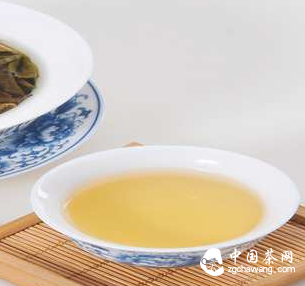
Blood Pressure Reduction: White Tea Is More Effective
Most teas help lower blood pressure, but white tea is particularly effective. Named for its white appearance, white tea is a specialty of Fujian and a rare treasure among Chinese teas. However, it is not just its rarity that makes it famous worldwide, but its ability to lower blood pressure.
White tea is rich in tea polyphenols, vitamin C, and vitamin P. Tea polyphenols promote the absorption of vitamin C, which helps move cholesterol from artery walls to the liver, reducing blood cholesterol levels and enhancing blood vessel elasticity. Vitamin P also dilates small blood vessels, directly lowering blood pressure.
Even today, traditional Chinese medicine practitioners in Fujian often prescribe "Baihao Yinzhen" (a type of white tea) in their treatments.
However, the effects of white tea are subtle compared to specialized medications, so it should not be considered a substitute for medicine.
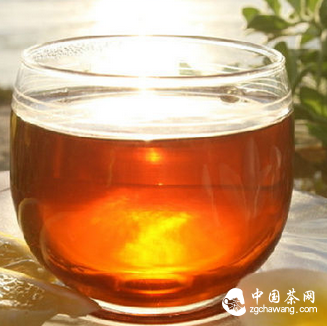
For a Sensitive Stomach: Drink Black Tea
Those who prefer light green tea often shy away from the strong flavor of black tea, finding it too bitter and lacking the lightness of tea. However, black tea is fully fermented, and its bold flavor is both its feature and its advantage, especially suitable for autumn and winter consumption.
Drinking green tea on an empty stomach can cause discomfort due to the astringent properties of tea polyphenols, which irritate the stomach. In contrast, black tea undergoes fermentation, during which tea polyphenols are oxidized, reducing their content and making it gentler on the stomach. These oxidized compounds also aid digestion, so black tea not only avoids harming the stomach but can actually nourish it. However, black tea should not be consumed cold, as this reduces its stomach-warming and nourishing effects and may lower its nutritional value.
Additionally, black tea is rich in protein and sugar, which generate heat and help the body withstand cold. In some regions of China, black tea is commonly consumed with sugar or milk.