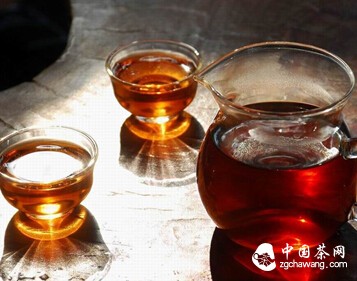
More and more women are drinking Pu'er tea. Every day, they drink a few cups of Pu'er tea for beauty and weight loss. The purpose of men drinking Pu'er tea, besides obtaining a better taste, is to promote digestion and lower blood pressure and blood lipids. What should women pay attention to when drinking Pu'er tea?
1. It is recommended to drink more ripe tea and less raw tea
Theoretically speaking, Pu'er tea has a good effect of removing grease, so it can help with weight loss. Both raw and ripe teas have similar weight loss effects. However, drinking raw tea for weight loss is not suitable for everyone, especially those with a cold constitution. Therefore, it is recommended to drink ripe tea. To achieve a better weight loss effect, the tea should be relatively strong. Ripe tea, even when strong, is not bitter or astringent and won't taste bad.
2. Women should not drink Pu'er tea during their menstrual period
Pu'er tea is a post-fermented tea with certain medicinal properties, but it is not recommended for women during menstruation. During menstruation, women lose a lot of blood and are prone to iron deficiency. Up to 50% of the tannic acid in tea can easily combine with iron in the food or iron supplements in the intestines, causing precipitation. Drinking tea during menstruation can aggravate iron loss.
In addition, people who are prone to getting heaty, experiencing internal heat, or having a hot constitution should not drink too much ripe Pu'er tea.
3. Pregnancy is also not suitable for drinking Pu'er tea
Tea contains caffeine, which increases the burden on the heart and kidneys of pregnant women, increases urine output and heart rate, and may lead to pregnancy toxemia. Therefore, it is best to drink less tea.
4. Menopausal women should not drink raw Pu'er tea
Menopausal women who drink raw Pu'er tea may experience increased heart rate, mood swings, and poor sleep quality. It is recommended to drink mild ripe Pu'er tea.
5. Nursing mothers should not drink tea
Nursing mothers should not drink tea, as it can affect milk secretion and harm the baby.