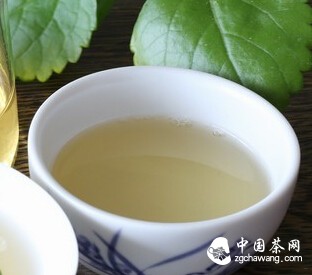
The bitterness of tea is determined comprehensively by factors such as tea type, cultivar, season, and processing techniques. For example, large-leaf tea plants contain higher polyphenols than small-leaf varieties; summer tea has higher anthocyanin content than spring tea. In the processing, if polyphenols and anthocyanins are adequately transformed, the bitterness is lower or absent, while insufficient transformation results in bitterness.
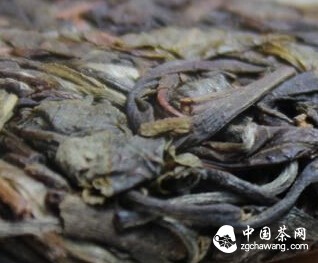
Bitterness in Pu'er tea can be divided into two types:
Pu'er tea bitterness can be regional. The taste of tea largely depends on soil and weather. Among the many Pu'er producing areas, places like Simao, Lincang, and Wenshan prefecture often have climates and soils less suitable for Pu'er tea cultivation, resulting in bitter-tasting tea leaves.
Pu'er tea can also have seasonal bitterness. Spring tea is considered the best, being most aromatic, sweet, or having a pleasant aftertaste. Summer tea is the lowest grade, with an immediate bitter taste, sometimes approaching the bitterness of Chinese medicinal herbs. The abundant summer rainfall, while promoting broader tea leaf strips, also contributes to the bitterness of the tea.
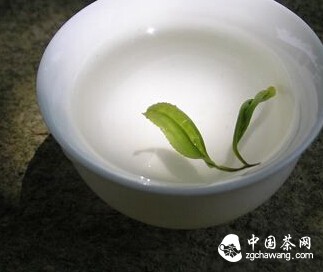
Bitterness is originally an inherent property of tea. Ancient texts referred to tea as "bitter tea," confirming this early understanding. The earliest wild tea had a broth so bitter it was hard to swallow. Through long-term domestication by our ancestors, tea plants evolved from "wild type" to "transitional type" and finally to today's "cultivated type."
Although this is a series of physiological changes, from the perspective of tea tasting, we are more concerned with the progression from the nearly undrinkable bitter taste to gradually milder bitterness, until it becomes acceptable and even regarded as a delicious delicacy by ordinary people.
Bitterness first, then sweetness returning—this provides Pu'er tea connoisseurs with a kind of revelation of truth. Thus, bitterness has a place in the realm of Pu'er tea appreciation, ranking alongside other tea flavors.
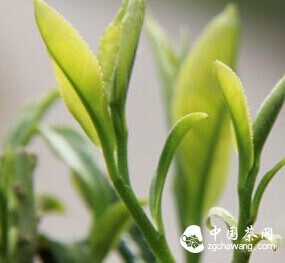
The reason Pu'er tea tastes bitter is that it contains "caffeine." The reason tea can refresh and awaken the mind is precisely because these caffeine compounds stimulate the human nervous system.
In ancient literary works, poets and scholars praised tea for its ability to invigorate the mind and dispel sleepiness, regarding it as a divine herb or elixir. This effect is actually due to the bitter-tasting caffeine in tea.
True healthy Pu'er tea appreciation does not rely on bitterness to achieve stimulation and alertness, but rather to achieve a sweet aftertaste and throat resonance effect through a slightly bitter tea broth, and at the same time, to draw inspiration from bitterness. A cup of tea lacking bitterness seems to be missing something for experienced "old tea hands," being insufficiently robust and unsatisfying!