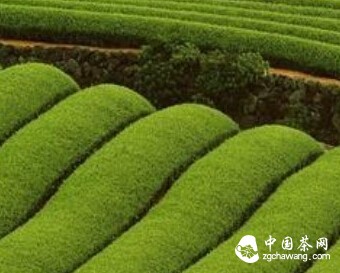
Autumn tea, based on seasonal changes and the intermittent growth of new shoots on tea plants, can be divided into spring tea, summer tea, and autumn tea. The ancients said, "Spring tea is bitter, summer tea is astringent, but for good taste, autumn tea (referring to autumn tea) is best." In fact, due to the development of modern tea brewing techniques, the "bitterness" of spring tea is now more sought after and tastes better. The liquor and taste of autumn tea lie between those of spring tea and summer tea, with a mild aroma, and its nutritional content is generally not as high as that of spring tea.
Autumn tea, as the name implies, is tea produced in autumn. With less rainfall in autumn and a dry climate, the aroma of the tea leaves is preserved to the greatest extent during their growth, picking, and processing. Tea made under cool, dry conditions not only retains its internal quality well but also contains less moisture, making it more aromatic.
By Harvest Time
Tea is divided into spring, summer, and autumn seasons. Under China's climatic conditions, except for a few areas in the South China tea region, tea plant growth and tea harvesting in most tea-producing areas are seasonal: the harvest period in the Jiangbei tea region is from early May to late September, in the Jiangnan tea region from late March to mid-October, and in the Southwest tea region from late January to early December. Tea regions in subtropical and temperate zones include the Jiangbei, Jiangnan, and Southwest tea regions.
By Solar Terms
From Qingming to Xiaoman is spring tea, from Xiaoman to Xiaoshu is summer tea, and from Xiaoshu to Hanlu is autumn tea. Some classify by time: tea harvested before the end of May is spring tea, from early June to mid-July is summer tea, and after mid-July is autumn tea. In the South China tea region, due to its tropical climate with little seasonal distinction, tea is harvested almost year-round. Therefore, besides spring, summer, and autumn tea, it is also classified into first-round, second-round, third-round, and fourth-round tea based on the order of new shoot growth and harvest time.
Quality Characteristics
The liquor and taste of autumn tea lie between those of spring and summer tea, with a mild aroma. The infused leaves are soft and often bronze-green. The leaves are thin, light, and small, with many opposite leaves and clearly serrated edges.
Identification:
The identification of spring, summer, and autumn tea can be described from two aspects.
Dry Evaluation:
Mainly judged by the color, aroma, and shape of the dry tea. For example, green tea with a glossy green color, black tea with a glossy black color, plump and heavy leaves with many white hairs, tightly rolled green and black tea strips, tightly rounded pearl tea, and a rich aroma are characteristics of spring tea.
Green tea with a dull gray color, black tea with a bright red color, light and loose leaves, long and wide tender stems, loosely rolled green and black tea strips, loosely rounded pearl tea, and a slightly coarse and old aroma are characteristics of summer tea.
Green tea with a yellow-green color, black tea with a dull red color, uneven leaf sizes, thin, light, and small leaves, and a relatively mild aroma are signs of autumn tea.
Wet Evaluation:
This involves infusing the tea for further assessment. If the leaves sink quickly after brewing, the aroma is strong and lasting, the taste is mellow, the green tea liquor is green with a yellow tint, the black tea liquor is bright with a golden ring, and the infused leaves are soft and thick with many normal buds and leaves, it is spring tea.
If the leaves sink slowly after brewing, the aroma is slightly lower, the green tea taste is a bit thin and astringent with a blue-green liquor and bronze-green leaves in the infused leaves, the black tea taste is strong but not refreshing with a dull red liquor and relatively bright red infused leaves, and the infused leaves are thin and hard with many opposite leaves, it is summer tea.
If the aroma is not high after brewing, the taste is plain, the infused leaves have bronze-green buds and leaves, uneven leaf sizes, and many opposite leaves, it is autumn tea.