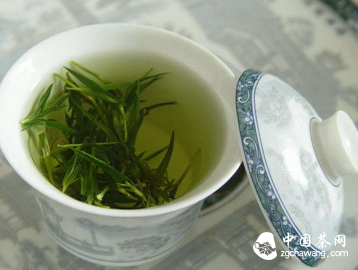
In late summer and early autumn, the weather is still hot and muggy. Many patients experience symptoms such as palpitations, dizziness, and weak limbs. After diagnosis, some of these cases are caused by improper tea drinking, leading to "tea drunkenness." Palpitations, dizziness, weak limbs or unsteady standing, along with a feeling of hunger—these are all symptoms of "tea drunkenness." People who usually eat a vegetarian diet with little fat, if they drink large amounts of strong tea, may experience "tea drunkenness"; drinking tea on an empty stomach, or occasionally drinking large amounts of strong tea without a regular tea-drinking habit, can also cause "tea drunkenness."
"Tea drunkenness" is usually caused by drinking tea on an empty stomach, or consuming overly strong or excessive amounts of tea. Tea contains various alkaloids, the main component being caffeine, which accounts for about 2% to 5% of the tea's content. It has the effect of exciting the central nervous system and promoting cardiac function. If tea is consumed too strong or too much, it can easily lead to "tea alkaloid poisoning." Besides the effect of caffeine, tea drunkenness is also caused by the large amount of tea polyphenols in tea. Drinking strong tea excessively can hinder the normal secretion of gastric juice and affect food digestion, thus leading to the phenomenon of tea drunkenness.
Eating meals, desserts, or sweets immediately can relieve tea drunkenness
When "tea drunkenness" occurs, one should immediately eat some meals, desserts, or candies, which can help relieve the symptoms. Although drinking tea can help clear grease, enhance nerve excitement, and aid digestion and diuresis, it is not the case that more is better, nor is it suitable for everyone.
Generally, a daily consumption of 1-2 times, each time with 2-3 grams of tea, is appropriate. For patients with neurasthenia, insomnia, hyperthyroidism, tuberculosis, heart disease, stomach disease, or intestinal ulcers, tea drinking is not suitable. Nursing mothers, pregnant women, and infants should also avoid drinking tea.
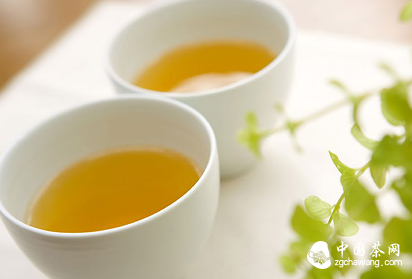
Tea drinking in late summer and early autumn varies by individual
1. For those prone to getting heated, drink green tea
Late summer and early autumn is a time when people are particularly prone to getting heated. After a summer of heat and dampness, many people begin to show symptoms of yin deficiency and fire hyperactivity, rooted in summer depletion and loss. Many feel exhausted and experience various pains. For older people with chronic diseases such as bronchitis, asthma, stomach issues, rhinitis, spinal problems, and various skin conditions, these may recur during this season.
Green tea has the effect of clearing heat and detoxifying. Unfermented green tea is cold in nature, with effects of clearing heat, promoting urination, and aiding digestion. It is suitable for people with strong constitutions and those prone to getting heated, such as those with dry mouth, bitter taste, mouth sores, sore throat, constipation, mucus in stool, or pain during bowel movements. They can drink green tea appropriately.
In summer, heart fire tends to be strong, and drinking some cool green tea in late summer and early autumn can help alleviate liver fire and heart fire. At the same time, green tea is unfermented, so it generally retains more natural substances in the tea leaves, such as tea polyphenols, caffeine, theanine, vitamins, and catechins. This gives green tea its characteristic "clear soup, green leaves, and strong astringent taste." Among these, the catechin content in green tea is the richest, making it more antioxidant and capable of blocking the synthesis of carcinogens.
2. For regulating the spleen and stomach, drink black tea
In late summer and early autumn, temperature differences are large. People who cannot adapt well to these changes are prone to various seasonal illnesses, including spleen and stomach weakness. Therefore, during this eventful autumn, it is imperative to nurture the spleen and stomach. Chinese people love to drink tea, but patients with stomach issues are best advised to drink black tea.
Black tea is fully fermented, with low tea polyphenol content. After "ripening," it is less irritating, milder, and more gentle, making it suitable for drinking. Especially for people with weak spleen and stomach, adding milk to black tea can help warm the stomach.
Many people are not accustomed to the bitter taste and dark color of black tea. Experts suggest that to make black tea lighter, the key lies in adjusting the amount of tea leaves and water. Generally, 3–5 grams of tea leaves are sufficient; those with a lighter taste can use even less, ensuring a tea-to-water ratio of 50:1. That is, if you use 3 grams of black tea, you should brew it with 150 ml of water. Black tea paired with a porcelain cup offers the best visual and taste experience. It is recommended to steep each cup of tea for 3–5 minutes.