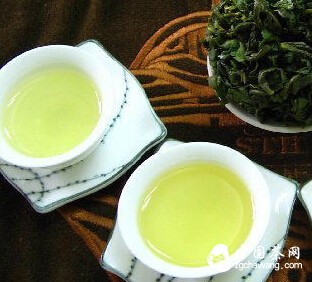
It is not only alcohol that can intoxicate; tea can also cause intoxication. "Tea intoxication" usually occurs due to drinking tea on an empty stomach, or consuming tea that is too strong or in excessive amounts. Tea contains various alkaloids, the main component of which is caffeine, accounting for about 2% to 5% of the tea content. Caffeine stimulates the central nervous system and promotes cardiac function. If tea is consumed too strong or in large quantities, it can lead to "tea alkaloid" effects. Besides caffeine, tea intoxication is also caused by the large amount of tea polyphenols in tea. Drinking strong tea excessively can hinder the normal secretion of gastric juices and affect food digestion, thus leading to symptoms of tea intoxication.
In the stuffy and hot summer weather, many patients experience symptoms such as palpitations, dizziness, and weakness in the limbs. After diagnosis, some of these cases are found to be caused by improper tea drinking, resulting in "tea intoxication." Palpitations, dizziness, weakness in the limbs or unsteady standing, accompanied by a feeling of hunger—these are all symptoms of tea intoxication. People who usually eat a vegetarian diet with little fat may experience tea intoxication if they consume large amounts of strong tea. Drinking tea on an empty stomach, or occasionally drinking large amounts of strong tea for those not accustomed to tea drinking, can also cause tea intoxication.

Immediately eat some food or sweets to relieve tea intoxication
When tea intoxication occurs, immediately eat some food, sweets, or candy, which can help relieve the symptoms. Although drinking tea can help clear grease, enhance nerve excitement, and promote diuresis and digestion, it does not mean that more tea is better, nor is it suitable for everyone.
Generally, a moderate amount is 1-2 cups per day, with 2-3 grams of tea leaves per serving. People with neurasthenia, insomnia, hyperthyroidism, tuberculosis, heart disease, stomach disease, or intestinal ulcers are not suitable for drinking tea. Nursing mothers, pregnant women, and infants should also avoid tea.

In summer, it is better to drink green tea rather than black tea
Drinking tea in hot weather can help cool down, but improper consumption can also be harmful. The following points are worth noting: First, do not drink tea that is too strong; second, do not drink excessive amounts of tea; third, do not drink tea on an empty stomach; fourth, avoid drinking black tea, as it is warm in nature and suitable for winter. Green tea is bitter and cold in nature, with clear liquor and green leaves, providing a cooling sensation. It also contains higher levels of amino acids, making it effective for cooling down in summer.