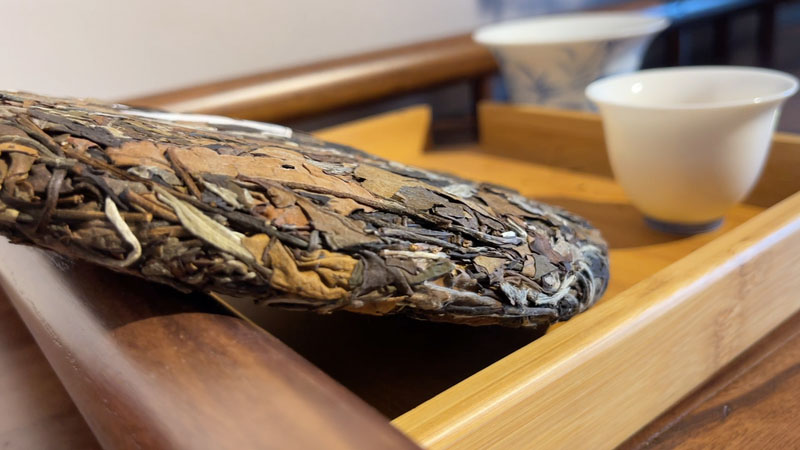
Can drinking tea cause insomnia? Decoding 9 tea drinking myths
We have always believed that drinking tea can lead to insomnia. Tea contains caffeine, which does have a stimulating effect and can affect sleep if consumed excessively. However, a growing body of research indicates that the amino acid L-theanine in tea has a positive effect on improving sleep quali...
Tea News · Jun 24, 2026

How to Prevent and Respond to Tea Intoxication
Tea intoxication, caused by excessive caffeine and polyphenols from strong or excessive tea consumption on an empty stomach, leads to symptoms like dizziness, palpitations, and weakness. Immediate consumption of food, sweets, or snacks can relieve it. To prevent it, avoid strong tea, don't drink on...
Tea News · Jun 20, 2026

21 Situations That Advise You Not to Drink Tea
This article outlines 21 specific conditions or situations in which drinking tea may be harmful to health. It covers a wide range of health issues, including fever, liver disease, nervous disorders, pregnancy, ulcers, anemia, and more. The article explains how compounds in tea, particularly caffeine...
Tea News · Jun 11, 2026
Why Does Pu'er Tea Have a Bitter Taste
The bitterness of Pu'er tea primarily comes from polyphenols, caffeine, and anthocyanins in the tea leaves. It is influenced by factors such as tea variety, plant type, season, and processing methods. Large-leaf varieties and summer-harvested teas tend to be more bitter. Proper processing can reduce...
Tea News · Jun 07, 2026

How Much Do You Know About the Astringent, Bitter, Umami, and Sweet Tastes of Tea?
The taste of tea is a comprehensive reflection of various flavor compounds in the tea infusion, including sugars, amino acids, polyphenols, and caffeine. Astringency mainly comes from ester-type catechins, bitterness from caffeine and anthocyanins, umami from amino acids (especially theanine , and s...
Tea News · May 28, 2026

It is said that tea is nutritious. What exactly is in tea?
The article explains the key nutritional components found in tea, including tea polyphenols (antioxidants , amino acids (especially theanine , alkaloids like caffeine, various vitamins, fluoride for dental health, and carbohydrates. These components contribute to tea's health benefits such as anti-a...
Tea News · May 20, 2026
Cold Brew Tea, Hot and Cold Are Different
Cold brew tea, made with room temperature or cold water and steeped for a long time, releases less of the bitter-tasting theine and caffeine, while sweet-tasting amino acids dissolve more easily. This makes the tea sweeter and less bitter. It also reduces stomach irritation and sleep disruption due...
Tea News · May 18, 2026
Tea Knowledge: 4 Side Effects of Drinking Black Tea
Black tea has many benefits, but it also has side effects. Drinking strong black tea can dilute stomach acid, hinder iron absorption, cause constipation, and increase blood pressure and heart burden. Tea lovers should be aware of these potential risks....
Tea News · May 13, 2026

Brew a Good Pot of Tea to Stay Healthy
According to modern scientific analysis, tea contains many elements essential to human physiology. It includes caffeine, which stimulates the nervous system and promotes blood circulation; tannic acid, which aids digestion and detoxification; various vitamins such as A, B, C, D, and P that support o...
Tea News · Apr 27, 2026
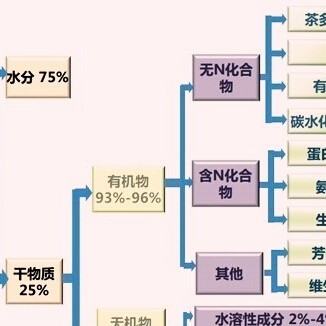
Peel off the outer layer of tea and see what's inside
Tea contains over 600 chemical components, which determine its aroma, taste, color, and health benefits. The main functional compounds include tea polyphenols (accounting for about one-third of the dry weight of fresh leaves, primarily responsible for antioxidant properties and astringency , caffein...
Tea News · Apr 12, 2026