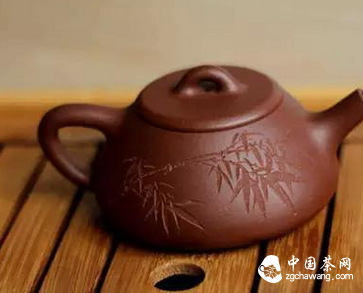
Can a newly fired Zisha teapot be used directly to brew tea? The answer is no. Before use, a Zisha teapot must undergo a procedure: "opening the pot." After opening, it is best to dedicate one pot to brewing one type of tea. There are actually many methods for opening a pot! But generally, there are two commonly used methods. Below is an introduction (the simple method is briefly introduced, while the traditional method is explained in detail).
Simple Opening Method
1. Separate the pot body from the lid, place them in a pot, bring to a near boil, then let sit for 5-10 minutes.
2. Place tea leaves inside the pot, simmer over low heat for a while, let cool naturally, then pour out the water.
3. This method is suitable for pots with a not very strong clay taste, used for brewing teas like Tieguanyin. It is convenient and easy.
Traditional Opening Method
1. Warm-up: First, rinse the newly purchased Zisha teapot thoroughly inside and out with boiling water to remove surface dust. Then, place the teapot into a pot free of oil stains, add water three times its height, and boil for two hours. This removes the clay taste and kiln fire from the teapot.
2. Reduce Fire: Place tofu inside the teapot, add an equal amount of water, and boil for one hour. The gypsum in tofu has a fire-reducing effect and can break down residual substances in the teapot.
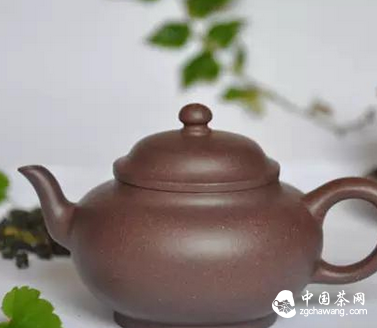
3. Nourish: Cut the purchased sugarcane and place it in the pot. If sugarcane is unavailable, you can add some sugar, then boil for another hour. The natural sugars in sugarcane provide unparalleled nourishment for the teapot.
4. Rebirth: Finally, select your favorite tea leaves, place them inside the teapot, and boil for one hour. Longjing tea leaves are recommended. This way, the teapot is no longer a "lifeless" object. After this transformation, having absorbed the essence of the tea, the first brew will already delight the tea drinker with a lingering fragrance.
Detailed Steps for Traditional Opening:
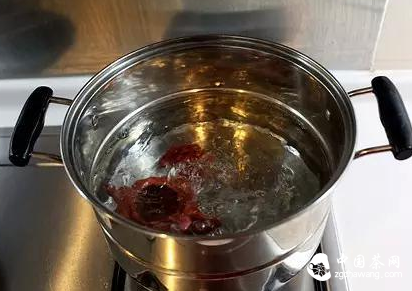
1. Boil the pot in plain water. Before this step, carefully wash the pot body with warm water and a soft cloth. After cooling, place it in clean water and bring to a slow boil. Let it boil for 5-10 minutes.
2. Remove the pot from the boiling water and let it cool naturally until it is no longer hot. Then, fill it with tofu, preferably old tofu.
3. When filling, press slightly to prevent the tofu from escaping the pot when the water boils. Place the tofu-filled pot into clean water (starting with cold water), bring to a slow boil, and continue heating for 5-10 minutes after the kitchen is filled with the aroma of tofu. The purpose of this step: Due to kiln firing, some believe the pot has strong "fire energy." Before normal use, this step reduces and clears the fire energy.
4. Remove the pot boiled with tofu, rinse with hot water, and let cool naturally until no longer hot. Take sugarcane heads (specifically the heads), split them, place them in clean water (cold water), and boil with the pot. Heat as in the previous step: after boiling, wait until the kitchen is filled with the aroma of sugarcane, then let it boil for another 5-10 minutes.
5. Remove the pot boiled with sugarcane and let cool naturally until no longer hot. Take your best tea leaves. If this pot will be used for Pu'er tea in the future, use Pu'er; if for green tea or Tieguanyin, use Tieguanyin. Refill the pot with cold water, place the pot and tea leaves together, bring to a boil, and after the kitchen is filled with aroma, continue for 10 minutes or longer. Remove the pot and set aside. Take the tea leaves from the pot and use them to gently rub the pot body and lid for several minutes. Finally, rinse the pot with warm water. The purpose of this step: To set the flavor. Therefore, it is recommended to use your best tea leaves. Ideally, the type of tea used to set the flavor should be the type brewed in the pot thereafter.
6. Well, the process of opening the pot is now complete.