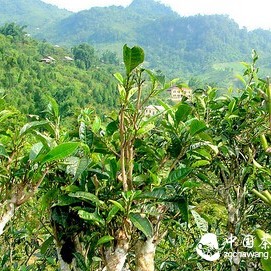
What Are Ancient Trees and What Is Pure Material
Ancient tree pure material is the highest grade of Pu'er tea. 'Pure material' can only be called so on the premise of ancient trees; terrace-grown tea has no such concept. Ancient trees generally refer to trees over a hundred years old, with deep roots and rich internal contents, far superior to sma...
Tea News · May 28, 2026
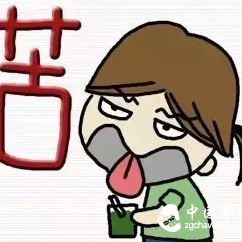
Why Do We Think Tea Is Bitter?
We perceive tea as bitter primarily because tea leaves contain bitter-tasting compounds. The main substances responsible for this bitterness are alkaloids such as caffeine, theobromine, theophylline, as well as flavonoids, tea saponins, certain bitter amino acids, and some flavanols. When a tea tast...
Tea News · Feb 09, 2026

Why Do We Say It's So "Bitter"?
The article explores why tea tastes bitter, especially to children who naturally prefer sweetness. The bitterness primarily comes from bitter-tasting compounds in tea leaves, such as alkaloids including caffeine, theobromine, theophylline, and others. These substances, particularly caffeine which co...
Tea News · Jan 23, 2026
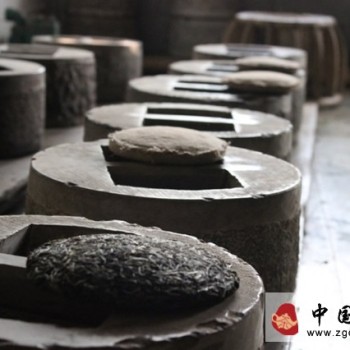
The Pressing Process of Pu-erh Cake Tea
The pressing of Pu-erh tea is a meticulous technique that transforms loose sun-dried green tea into compressed forms like cakes. This process applies to both raw (sheng and ripe (shou Pu-erh, with the latter being fermented first. The main purposes of pressing are to facilitate transportation and...
Tea News · Dec 07, 2025
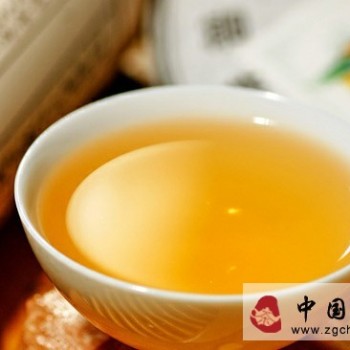
How to Select Yunnan Large-Leaf Sun-Dried Green Tea
When purchasing Yunnan large-leaf sun-dried green tea, focus on seasonal variations (spring tea is best, especially pre-Grain Rain , growing conditions (optimal at 1,200-1,800m altitude with southeast slopes , and rolling quality (firm, rounded dark strips indicate proper cell breakdown for full fla...
Tea News · Nov 17, 2025

How to Simply Distinguish the Quality of Pu-erh Tea?
Selecting Pu-erh tea involves assessing its type, age, and brand, with variations numbering in the thousands. Pu-erh is primarily divided into ripe (shou and raw (sheng types based on processing. Ripe Pu-erh is fully fermented and warm in nature, while raw Pu-erh is lightly fermented and initially...
Tea News · Aug 24, 2025
1