
We find tea bitter because tea leaves contain substances that taste bitter. These substances mainly include caffeine, theobromine, theophylline, anthocyanins, tea saponins, bitter amino acids, and some flavanols. If we find a tea very bitter, it means alkaloids dominate the tea soup. (Alkaloids refer to a class of nitrogen-containing organic compounds derived from living organisms. They have alkali-like properties, can combine with acids to form salts, often have optical activity, and have a significant physiological effect on the central nervous system of animals.)
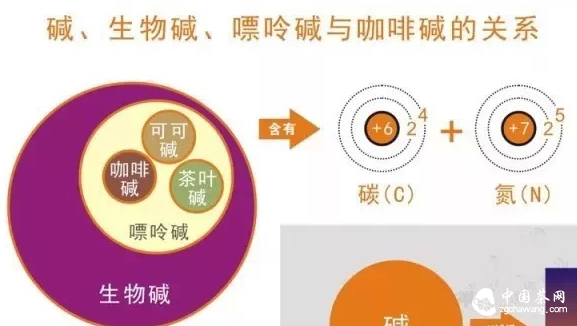
For example, I once discovered that the sun-dried green tea from Pare Village in Mengsong Township tasted particularly bitter. Experimental research revealed it contained very high levels of theacrine (a bitter alkaloid). Theacrine is one type of alkaloid. Of course, this is a special case; most teas do not contain theacrine.
Generally, the alkaloid content in tea is highest in caffeine, usually 2%-4%. Caffeine is bitter with a low threshold. Chen Zongdao et al. (1992) found that temperature and pH affect bitterness sensitivity. As pH and temperature increase, the threshold decreases, and sensitivity increases. Caffeine content varies greatly in different parts of the tea plant, being highest in the leaves, lower in stems, and decreasing in new shoots as leaves age.

In the taste of tea soup, caffeine coordinates with tea polyphenols, forming hydrogen-bonded complexes, which reduces bitterness. Additionally, a high amino acid content can also diminish the bitter taste of caffeine.
When people drink tea, they perceive the overall presentation of the tea soup. This overall presentation refers to the synergistic and restrictive interactions among the internal substances in the tea soup.
If we find tea bitter, it indicates that bitter substances are dominant in the tea soup. Generally, it can be simply understood that caffeine suppresses the presentation of substances like catechins.