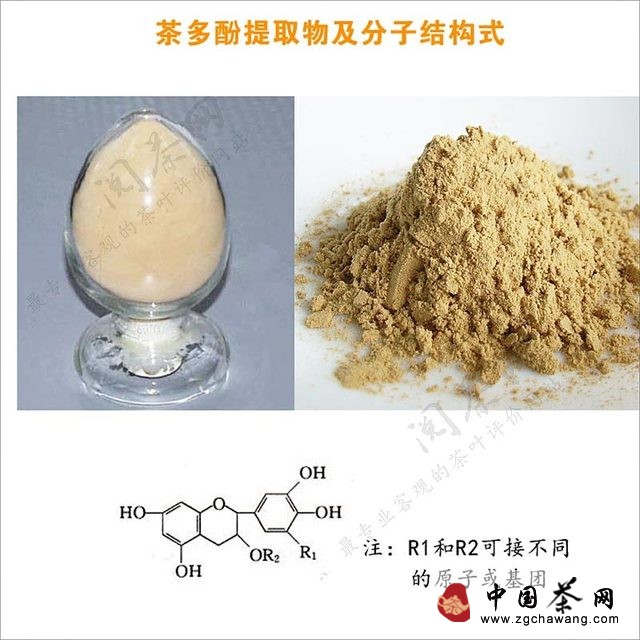
Also known as tea tannins, it is a type of condensed aromatic hydrocarbon and the general term for polyphenolic substances in tea leaves, including flavanol classes, anthocyanin classes, flavonoid classes, flavonol classes, and phenolic acid classes. Among these, flavanol substances (catechins) are the most important, accounting for about 70% of the total tea polyphenols. It is one of the sources of the bitter and astringent taste in tea. Tea polyphenols, also called tea tannin or tea tannin, are one of the main components that form the color, aroma, and flavor of tea, as well as one of the main components with health functions in tea.
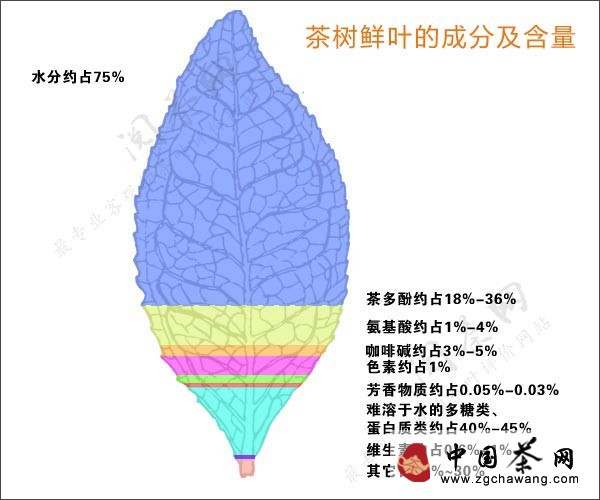
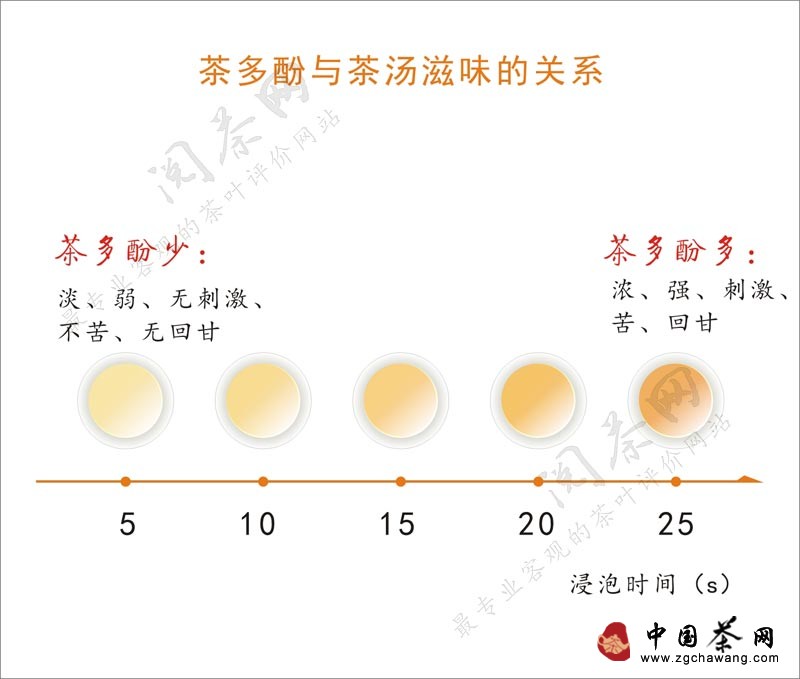
The transformation of tea polyphenols during the tea-making process plays a key role in the formation of the tea's aroma, taste, liquor color, and appearance. They give the tea soup a slightly bitter and astringent taste and contribute to its yellowish-green color. The bitter and astringent taste of tea comes from the binding of polyphenols with proteins in the mouth. The higher the concentration of catechins, the more bitter and astringent the tea tastes. In terms of tea growing seasons, summer tea has higher total polyphenols and a higher proportion of esterified catechins compared to spring tea due to higher temperatures, making summer tea more bitter and astringent. Spring tea, with higher amino acid content and lower total polyphenols, tends to be mellower and fresher.
As for research on other health benefits, please consult Baidu on your own.