The basic process of white tea includes withering, baking (or shade drying), sorting, and re-firing. Withering is the key process that determines the quality of white tea. Because the finished tea is mostly composed of buds covered in white down, resembling silver and snow, it gets its name. These ten things are all based on the characteristics of white tea, representing both its benefits and what sets it apart from other types of tea.
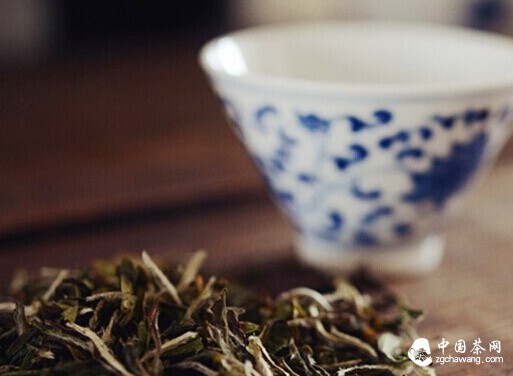
1. No Heatiness — Tian Yiheng from the Ming Dynasty wrote in "Boquan Xiaopin": "Tea made with fire is inferior; tea dried in the sun is superior, as it is closer to nature and lacks the flavor of smoke and fire." Without stir-frying or rolling, white tea, being closest to nature, contains no heatiness and is refreshingly cooling.
2. Full Elegance — White tea is subtle and elegant, with a clear liquor, a fragrant aroma, and a sweet, smooth taste. Its character is naturally pleasing.
3. Lowers Three Highs — White tea contains active enzymes essential to the human body. It can significantly increase lipase activity, promote fat decomposition, effectively control insulin secretion, delay glucose absorption in the intestines, break down excess blood sugar, and promote blood sugar balance. It has outstanding effects on lowering blood lipids and blood pressure, making it suitable for people with "three highs" (high blood pressure, high blood sugar, high blood lipids).
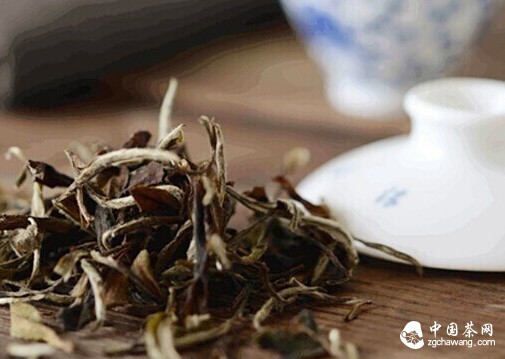
4. Rich in Components — In addition to the inherent nutrients found in other teas, white tea is rich in various amino acids. It is cold in nature and has the effect of reducing heat, relieving heatstroke, and detoxifying. The Qing Dynasty scholar Zhou Lianggong wrote in "Min Xiao Ji": "Baihao Yinzhen (Silver Needle), produced from the Tai Lao Mountain Hongxue Cave, is cold in nature, with effects comparable to rhinoceros horn, and is a holy remedy for measles."
5. Medicinal Use — Prevents heatstroke, reduces heat, detoxifies, and treats toothache. Especially aged white tea can be used as an antipyretic for children with measles, and its fever-reducing effect is even better than antibiotics.
6. Enjoyable for Tasting and Playing — White tea has a beautiful appearance. Silver Needle buds, covered in fine down, look adorable in water; White Peony unfurls with buds and leaves complementing each other, as if wanting to speak. It is both trendy and interesting, and is especially loved by female tea enthusiasts.
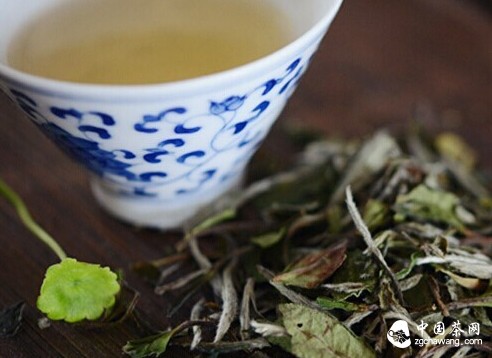
7. Benefits Eyesight — White tea is also rich in vitamin A precursors, which, after being absorbed by the body, are quickly converted into vitamin A. Vitamin A helps synthesize rhodopsin, enabling the eyes to see more clearly in low light and preventing night blindness and dry eye syndrome. Additionally, white tea contains anti-radiation substances that significantly protect the body's hematopoietic function and reduce the harm from computer and television radiation.
8. Protects the Liver — Protects the liver and helps with hangover relief. White tea is rich in dihydromyricetin and other natural flavonoids that can protect the liver, accelerate the breakdown of acetaldehyde (a metabolic product of alcohol) into non-toxic substances, and reduce damage to liver cells.
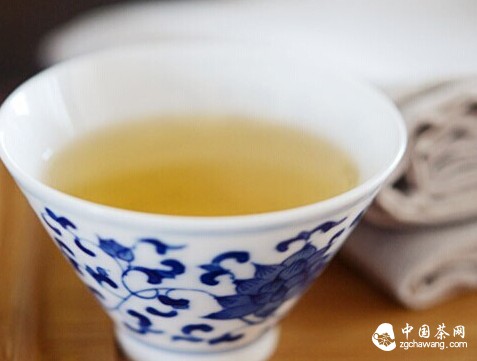
9. Prevents Heatstroke — "Spring corresponds to the liver and nourishes growth, summer corresponds to the heart and nourishes development, late summer corresponds to the spleen and nourishes transformation, autumn corresponds to the lungs and nourishes harvest, winter corresponds to the kidneys and nourishes storage." In summer, the heart belongs to fire, all things grow to their fullest, and the heat is intense. The focus should be on nourishing the heart, calming restlessness and anger, being gentle and broad-minded. Turbid qi is expelled, and the skin pores open, aligning with the external yang energy of summer. It is advisable to drink aged white tea, green tea, Tieguanyin, Taiwan high-mountain tea, raw pu'er, etc.
10. Suitable for Aging — White tea is said to be "tea in the first year, medicine in the third, and treasure in the seventh," meaning it can be aged for a long time with many benefits. Specifically, white tea aged for five to six years is considered old white tea. Over time, the internal components of white tea become richer and smoother through aging, and the characteristic downy aroma of white tea remains alongside the aged fragrance. The flavor is rich and mellow, and the liquor appears amber, bright red, and clear. At this stage, the effects of white tea in preventing cancer, fighting cancer, preventing heatstroke, detoxifying, and preventing allergies become more pronounced. At the onset of a cold, drinking a few cups of hot aged white tea can bring significant relief.