Drinking floral tea in spring can alleviate the negative effects of spring fatigue. Floral teas, with their cool and aromatic properties, help disperse the accumulated cold from winter and promote the growth of yang energy in the body, refreshing the mind and dispelling spring drowsiness.

1. The Best Teas for Spring: Jasmine Tea
The most suitable floral teas for spring are, in order: jasmine tea (calming and beautifying), chrysanthemum tea (detoxifying and health-boosting), honeysuckle tea (clearing heat and toxins), rose tea (promoting blood circulation and regulating menstruation), and pagoda flower tea (cooling the blood).
2. Summer: Green Tea, Yellow Tea, Raw Pu-erh, Lightly Fermented White Tea, and Oolong Tea
Green tea is the top choice for cooling down in summer. White tea and yellow tea also help clear heat and are suitable for summer. Those with strong constitutions can try raw pu-erh aged 3–5 years.
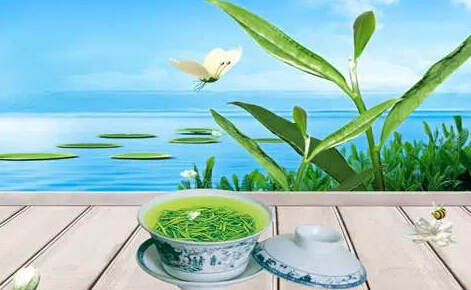
Recommended green teas for summer include: West Lake Longjing, Biluochun, Xinyang Maojian, Duyun Maojian, Lushan Yunwu, Mengding Ganlu, Liuan Guapian, Huangshan Maofeng, Taiping Houkui, and Anji white tea. Adding chrysanthemums or honeysuckle enhances the cooling effect.
Recommended yellow teas: Junshan Yinzhen, Mengding Huangya, Huoshan Huangya, Beigang and Weishan Maojian, Wenzhou Huangtang, and Guangdong Dayeqing.
Recommended white teas: Aged Silver Needle, Baihao Yinzhen, White Peony, Gongmei, and Shoumei.
Recommended oolong teas: Light-roast Tieguanyin and Taiwanese Dongding oolong.
3. Autumn: Highly Fermented White Tea and Oolong Tea
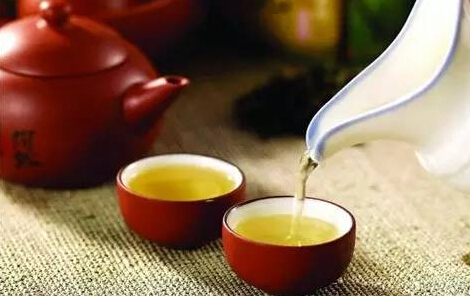
Autumn is ideal for oolong tea, which is neither too cold nor too warm, helping clear residual heat while nourishing yin. The best choices are spring-harvested Tieguanyin and aged Wuyi Rock Tea (such as Da Hong Pao, Shui Xian, and Rou Gui). Highly fermented white teas like new-process white tea or aged white tea, as well as heavily roasted oolongs like roasted Tieguanyin or Da Hong Pao, are also suitable.
4. Winter: Southerners Drink Black Tea and Ripe Pu-erh, Northerners Drink Jasmine Tea
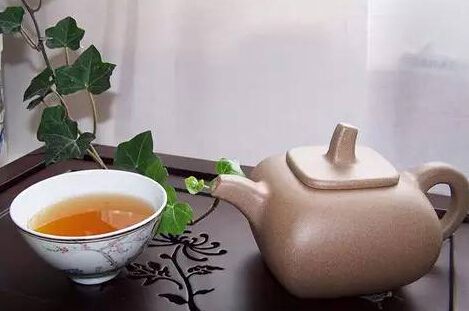
Black tea warms the body in winter. Recommended options include Keemun Black Tea and Lapsang Souchong. Adding sugar or milk enhances its stomach-warming effect.
Ripe pu-erh warms the stomach and aids digestion. It also helps break down fat, making it great for weight loss. Its gentle nature makes it ideal for those with sensitive stomachs.
Jasmine tea, being neutral to slightly warm, suits northern winters well. It aids digestion and provides warmth without causing excessive heat.

Additional Tips:
For year-round green tea drinkers, dilute the tea in colder seasons. Adding dried jasmine flowers or pagoda flowers (but not chrysanthemums, which are cooling) or ginger slices can balance green tea's cold nature.
For white tea lovers: drink Silver Needle in spring, White Peony in summer, Gongmei or Shoumei in autumn, and new-process white tea in winter.
For oolong enthusiasts: drink roasted Tieguanyin in spring and autumn, light-roast Tieguanyin in summer, and Da Hong Pao in winter.
For pu-erh fans: drink raw pu-erh in summer (if healthy) and ripe pu-erh in other seasons.