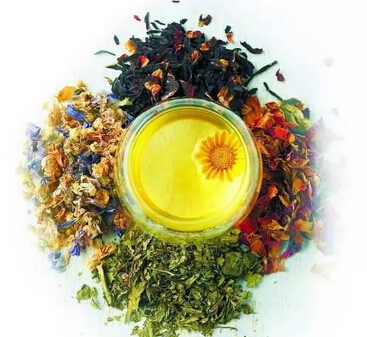
Chinese people love drinking tea. But did you know that different teas have different effects? Drinking the right tea nourishes better. Song Haijiao from the Health Service Department of Beijing Hospital of Traditional Chinese Medicine explains how to drink tea properly. For those who exercise often, drink black tea.
Black tea is warm in nature and suitable for physically weak individuals, as well as athletes and manual laborers. Adding a little sugar while drinking can help increase energy and supplement nutrition. Pregnant women are advised to drink black tea one to two months before delivery and postpartum.
To protect against radiation, drink green tea.
Green tea is also beneficial for office workers and other mental laborers, as it enhances mental agility, keeps the mind clear and energetic for long periods, and improves work efficiency. However, those with a cold constitution (yang deficiency) should avoid green tea and opt for flower tea or black tea instead.
After eating greasy foods, drink dark tea.
Dark tea is suitable for those who consume a lot of meat, such as beef and lamb, as it aids fat digestion. It is also good for people trying to lose weight. In some ethnic minority and border regions of China, people often drink compressed teas like brick tea, cake tea, and Pu-erh tea, which are post-fermented, aligning with their dietary habits.
Feeling down? Drink flower tea.
Flower tea is suitable for those who overexert their brains, as it helps relieve depression and refresh the mind. It is also good for people with yang deficiency or a cold spleen and stomach, as well as women during menstruation or menopause, as it can ease irritability, soothe the liver, and regulate menstruation.
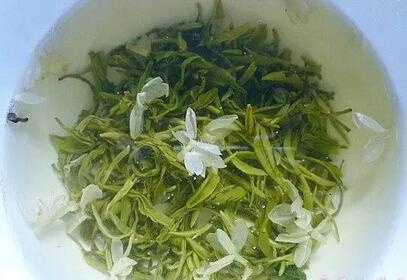
Cassia seeds target the large intestine meridian and have a laxative effect. Regular consumption of cassia seed tea can also assist in lowering blood lipids. However, those with a cold spleen and stomach or diarrhea should use it with caution.

People with high blood pressure may experience symptoms like dry mouth, bitterness, or mouth sores, which in Traditional Chinese Medicine are attributed to excessive liver fire. Chrysanthemum tea can dispel wind-heat, clear the liver and eyes, and reduce liver fire, alleviating symptoms like bitterness in the mouth, headaches, and sore throat. Hangzhou white chrysanthemum or bud chrysanthemum (unopened buds of Hangzhou white chrysanthemum) are the best choices for calming liver fire.
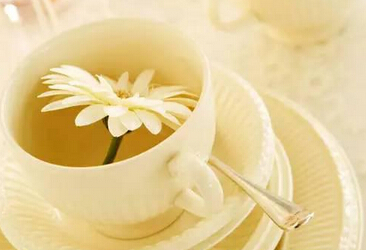
Want to lose weight? Drink oolong tea.
Oolong tea (oolong tea) helps lower blood lipids, prevents atherosclerosis, and promotes longevity. It is suitable for those who are overweight and want to lose weight or improve their skin, as well as people with high blood pressure, high cholesterol, or high blood sugar.
Q&A
Q: Does drinking tea cause calcium deficiency or insomnia?
A: Many worry that tea leads to calcium loss, but as long as you don’t drink excessive or overly strong tea and consume enough milk or tofu, the lost calcium can be replenished.
To avoid insomnia, drink less green tea and opt for moderate amounts of Pu-erh or black tea. Non-fermented tea (e.g., green tea) contains the highest caffeine, semi-fermented tea (e.g., black tea, oolong tea) has less, and fully fermented tea (e.g., dark tea) has the least. About three minutes after brewing, most of the caffeine dissolves into the tea. To prevent insomnia, avoid the first brew and strong tea.
Q: Why do I feel dizzy, insomniac, or weak after drinking new tea?
A: Some people experience dizziness, insomnia, weakness, stomach pain, or bloating after drinking new tea, a condition called "tea drunkenness." Tea leaves harvested less than a month ago contain higher levels of caffeine, active alkaloids, and aromatic compounds, which are unsuitable for those with chronic gastrointestinal issues. Avoid drinking tea on an empty stomach, as the cold nature of green tea can harm the spleen and stomach, leading to "tea drunkenness."