The answer is: as long as the stomach contains food, mixing teas is unlikely to cause tea intoxication. Mixing白酒啤酒红酒 leads to easier intoxication because they have different fermentation ingredients and processes, resulting in varying types and levels of impurities. The body must adapt to these simultaneously, and carbon dioxide in beer may accelerate alcohol absorption, increasing intoxication risk.

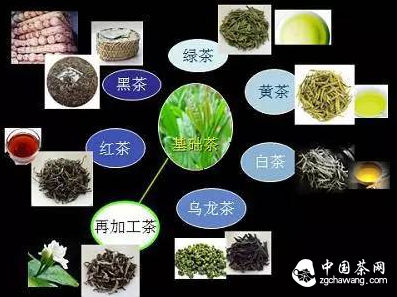
Tea intoxication refers to physiological reactions caused by caffeine overstimulating the central nervous system, such as rapid heartbeat, sweating, nausea, and dizziness. Despite their varied flavors, all teas originate from the same plant—tea leaves—and undergo similar processing, differing mainly in degree. Thus, the components in different tea infusions are fundamentally the same, and mixing them doesn’t generate new substances. By avoiding空腹饮茶 and allowing the body to absorb caffeine rhythmically and moderately, tea intoxication can be largely prevented.

Tea drinking is a随心惬意的事. One may enjoy a single type daily or sample several simultaneously, even selecting teas based on weather, mood, or activities each morning, much like choosing an outfit. Delicate, sweet teas can be drunk plain; robust, stimulating teas can be blended with milk, fruit slices, honey, or even alcohol; teas can also be incorporated into meals. In short, treating tea as an ordinary food makes tea drinking more relaxed and endlessly enjoyable.