Fermented tea is divided into fully fermented tea, semi-fermented tea, and post-fermented tea.
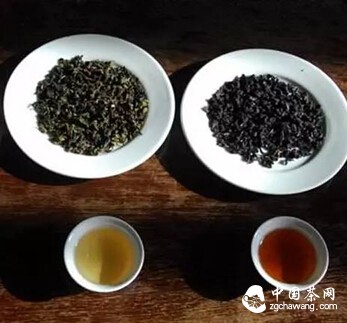
Full Fermentation of Tea
Black tea is fully fermented tea, belonging to "endogenous enzymatic fermentation," which refers to the chemical reactions centered on the enzymatic oxidation of tea polyphenols during processing. Tea polyphenols in the leaves are reduced by over 90%, producing new components such as theaflavins and thearubigins. The aroma substances significantly increase compared to fresh leaves.
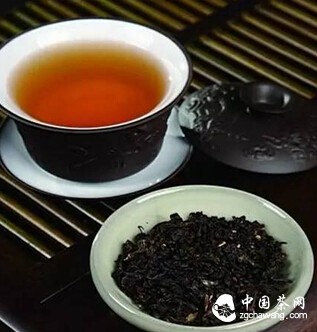
Semi-Fermentation of Tea
Semi-fermented tea generally refers to Oolong tea, which involves destroying chlorophyll during processing, allowing the tea leaves to ferment between 20% and 70%. It also undergoes sun withering, indoor withering, roasting, rolling, and drying.
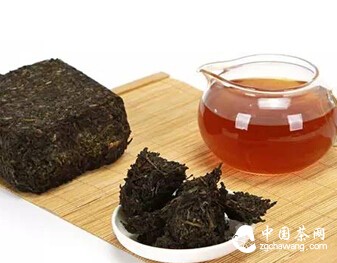
Post-Fermentation of Tea
Dark tea belongs to post-fermented tea, which involves "external microbial fermentation." During fermentation, microorganisms form polyphenol oxidase, protease, cellulase, pectinase, etc., hydrolyzing more edible fibers, polysaccharides, and peptides.
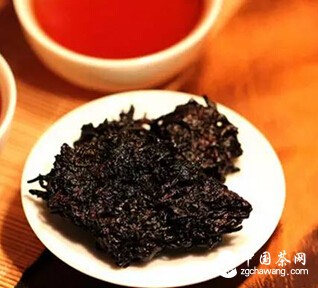
Microbial Fermentation
Microbial fermentation method refers to inoculating tea leaves with specific microorganisms, causing deep beneficial physiological changes through metabolism to improve the quality of the tea.
Benefits of Fermented Tea
Fermented tea has benefits such as anti-tumor effects, weight loss, anti-aging, whitening, UV protection, heat clearance, detoxification, digestion aid, greasiness removal, and diuresis.