As the saying goes, "Firewood, rice, oil, salt, sauce, vinegar, and tea"—tea is included among the seven daily necessities, highlighting its importance. There are many types of tea, which can be categorized into white tea, green tea, black tea, dark tea, yellow tea, and oolong tea based on different processing techniques. Each type offers unique health benefits.
Green Tea Reduces Heat and Prevents Cancer
China has the longest history of green tea production and the most varieties, such as West Lake Longjing, Huangshan Maofeng, Dongting Biluochun, and Taiping Houkui. Green tea is unfermented, with diverse appearances, distinctive aromas and flavors, clear green soup, and appealing leaves. It is the tea category with the most famous varieties and the most extensive research.
Catechins and other polyphenolic compounds are recognized as the key beneficial components in green tea, offering various health functions, including cancer prevention, improved cardiovascular health, weight loss, and resistance to ionizing radiation. From a traditional Chinese medicine perspective, green tea is slightly cold and helps reduce internal heat. Those with a cold stomach should drink less, while it is suitable for people who are prone to internal heat and have a dry, robust constitution.
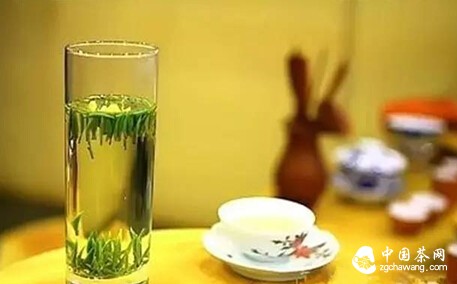
Generally, the water temperature for brewing green tea should be 85°C. The brewing time should be 2–3 minutes. The ratio of tea to water should be 1:50. For tea utensils, porcelain cups or transparent glass cups can be used, and the lid should not be covered during brewing.
Black Tea Warms the Stomach and Protects the Heart
Black tea is widely produced in China with many varieties, generally divided into Gongfu black tea, Souchong black tea, and broken black tea. Black tea is widely consumed due to its dark brown and oily appearance, rich and sweet aroma, mellow and fresh taste, bright red and yellowish soup, and tender, even red leaves. It is fully fermented, during which tea polyphenols oxidize into theaflavins and thearubigins, and most sugars hydrolyze into soluble sugars, producing the unique aroma and taste of black tea.
Theaflavins are the most functional components in black tea. Numerous medical studies have shown that drinking black tea helps regulate the content of low-density and high-density lipoproteins in human arteries, thereby reducing the risk of cardiovascular diseases. From a traditional Chinese medicine perspective, black tea is warm and helps warm the stomach. It is suitable for those with a cold constitution and the elderly.
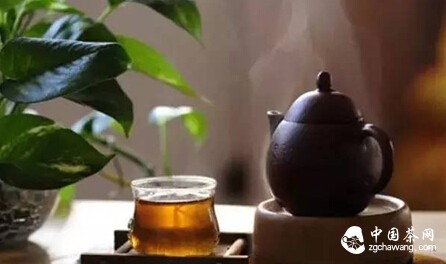
It is best to brew black tea with freshly boiled water. The amount of water used should be similar to that for green tea, and the brewing time should be 3–5 minutes. Covering the lid while brewing black tea will enhance its aroma.
Oolong Tea Relieves Dryness and Aids Weight Loss
Oolong tea, also known as green tea, has the freshness of green tea and the mellow taste of black tea. Oolong tea in China is mainly divided into four categories: Southern Fujian oolong (e.g., Tieguanyin), Northern Fujian oolong (e.g., Dahongpao), Guangdong oolong (e.g., Lingtou Dancong), and Taiwanese oolong (e.g., Dongding oolong). Oolong tea is semi-fermented, with processing techniques介于 green and black tea.
In addition to common components like catechins, tea polysaccharides, and tea saponins found in green and black tea, oolong tea contains some unique functional ingredients. For example, some oolong tea varieties are rich in "methylated catechins," which have anti-allergic, anti-inflammatory, antioxidant, liver-protecting, and blood pressure-lowering functions. From a traditional Chinese medicine perspective, oolong tea is neutral and can clear accumulated heat from the body. It is particularly suitable for drinking in autumn to alleviate dryness.
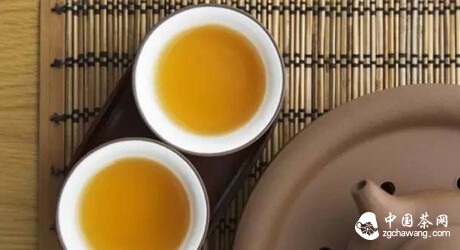
It is best to brew oolong tea with a purple clay teapot or a lidded bowl, and 100°C boiling water must be used. The lid should be covered after brewing.
White Tea Inhibits Bacteria and Resists Radiation
The processing of white tea is relatively simple, involving only withering and drying. Due to its unique production method, the tea is covered with white hairs, with buds and leaves attached to the stems, presenting a natural and elegant appearance, silvery-white and gray-green in color, and a light soup. It can be divided into Baihao Yinzhen, Baimudan, Gongmei, and Shoumei based on different picking standards.
According to some related literature, white tea has better antibacterial effects compared to other tea types. Additionally, white tea has good anti-radiation effects. In the United States and Europe, white tea extracts are used in facial skincare products. White tea is cool in nature and can reduce internal heat and dryness. The brewing method for white tea is generally similar to that of green tea.