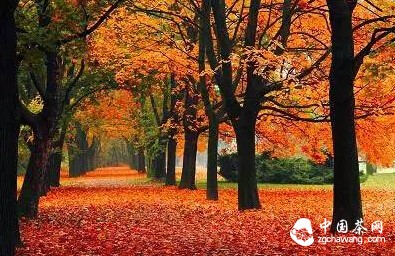
So, when should green tea be drunk? Transforming this question into "What season should cold dishes be eaten in?" makes it easier to answer, doesn't it?
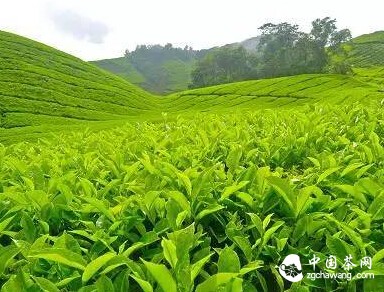
Green tea is mostly made from tender tea leaves picked in spring and summer. The leaves are simply spread out to wither, then quickly processed with short-term high-temperature fixation (kill-green), followed by rolling or shaping while drying, resulting in the finished tea. The process of green tea is concise, maximizing the retention of the fresh flavor of the tea leaves, much like the purpose of making cold dishes—minimal processing and seasoning to enjoy the freshness.
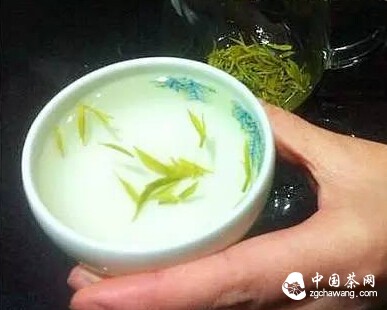
Because green tea mostly uses tender raw materials, the leaves have a relatively high caffeine content, which is also relatively easy to dissolve, so it's easy to accidentally brew it bitter and astringent. Coupled with the light yellow-green soup color of green tea, it inevitably gives a cooling sensation. In fact, the basic components in green tea soup, such as tea polyphenols, caffeine, amino acids, tea polysaccharides, tea saponins, vitamins, and mineral elements, are not fundamentally different from other types of tea; it's just that some are more abundant and some are less. This difference in content is expressed through the color, aroma, and taste of the tea leaves, which our senses can somewhat perceive. As for whether these differences can produce varying effects on physiological activities after entering the human body, it's unknown and shouldn't be counted on—the human body is far too complex a precision instrument. Can foods made from the same raw materials but with different production processes, hence different flavors, really have immediately different effects on the body?
So, does the common talk in tea circles about "drinking什么 tea in什么 season" have any practical meaning?
We can consider it from the perspective of the tea's seasonality. Some teas have a picking and production period closely related to the seasonal climate, such as most green teas and oolong teas. The production of spring tea for most green teas and oolong teas is completed in spring, so drinking them in spring and summer is fresh and fitting, still "covered with frost and dew." After being stored for more than half a year until autumn and winter, even under the best storage conditions, the fresh flavor compounds in the tea leaves will be largely lost, making it naturally less fresh and brisk than when first made. Those teas that are more storage-resistant, or teas that can be made in all three seasons—spring, summer, and autumn—such as white tea and Pu'er tea, are not so particular about seasonality; drink them whenever you want! This is like Chinese cabbage, which is available in the market all year round. Who can't tell the difference between it tasting better when first上市 in late autumn or after being stored until the following summer?
Therefore, drinking green tea in autumn and winter only involves whether it tastes good and whether you want to drink it; it has nothing to do with health. As for some "personal testimonials," they are mostly either "coincidences" or "confirmation bias." So let's relax and casually enjoy that cup of tea...