So, what factors influence the taste of tea?
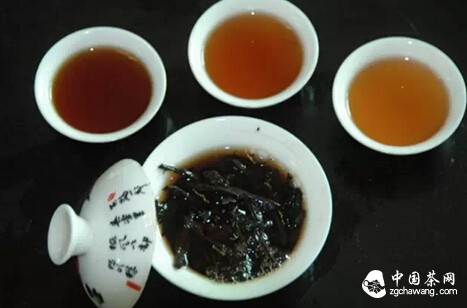
1. Influence of Storage Conditions
There is an agricultural proverb: "Sun generates aroma, fire generates color." The phrase "sun generates aroma" means that after tea leaves are picked, they undergo moderate sun exposure, withering, resting, fermentation, and other processes. Enzymes within the leaves continuously activate, moisture gradually evaporates, dry matter oxidizes, and aromatic oils slowly volatilize. However, if the weather is unfavorable, the same tea leaves, depending on how each person stores and places them, will undergo changes in internal quality, resulting in a different taste when brewed.
2. Influence of Time
The same tea, when tasted in the early morning, at noon, or in the evening, will have different flavors, with subtle sensory variations. The steeping time also affects the taste: longer steeping results in a thicker tea soup but also increases the likelihood of bitterness.
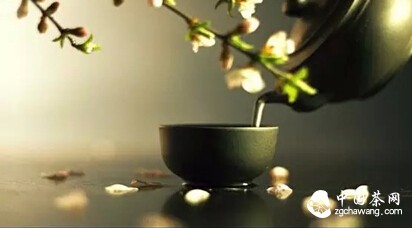
3. Influence of Water Quality
Water quality varies across regions, and different water tastes will inevitably affect the tea soup's flavor. Generally, for brewing tea, spring water is best, followed by deep well water, then distilled water, with tap water being the least desirable.

4. Influence of Brewing Technique:
The water temperature during brewing and the steeping time of the tea leaves will impact the tea's taste. Thus, brewing skill is as important as the tea leaves themselves.
5. Influence of Tasting Environment and Mood

The environment and mood while drinking tea can also alter the tea's flavor. Whether one is calm, agitated, happy, or expectant while drinking will yield different experiences. Therefore, one's state of mind during tea tasting is very important.
6. Influence of Physical State
Drinking tea while having internal heat (上火) or a cold, right after smoking, or immediately after a meal can distort the tea's true flavor and affect its taste.
Thus, with the same tea, it seems impossible to ever taste exactly the same flavor twice. However, although each brewing may not be identical, as long as the tea is stored properly and brewed correctly, and one approaches it with a mindful heart for tasting, the flavors, while not exactly the same, will be very similar. Each cup remains excellent tea, worthy of appreciation.