How much tea should a normal person drink per day?
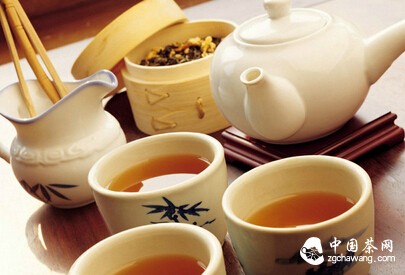
The amount of tea one drinks depends on tea-drinking habits, age, health status, living environment, customs, and other factors. Generally, for healthy adults with a regular tea-drinking habit, drinking about 12 grams of tea per day, brewed in 3-4 servings, is appropriate. For those with high physical labor intensity, high consumption, and large food intake, especially those in high-temperature environments or exposed to more harmful substances, drinking about 20 grams of tea per day is also suitable. People who consume more greasy food, smoke, or drink alcohol can appropriately increase their tea consumption. Pregnant women, children, those with neurasthenia, and tachycardia sufferers should reduce their tea intake appropriately.
How to arrange drinking if there are multiple types of tea at home?

Some people drink different teas at different times of the day: a light cup of high-quality green tea in the early morning to clear the mind; a cup of jasmine tea in the morning to improve work efficiency with its pleasant fragrance; a cup of black tea in the afternoon to relieve drowsiness and refresh; a cup of milk black tea or high-quality green tea with some snacks and fruits during the afternoon break to supplement nutrition; in the evening, gathering with friends or family, brewing a pot of oolong tea while chatting, which adds a unique pleasure. If you are interested, you might as well try this clever arrangement of daily tea drinking.
Why should diabetics drink more tea?

The symptoms of diabetes include high blood sugar, thirst, and fatigue. Experiments show that drinking tea can effectively lower blood sugar, quench thirst, and enhance physical strength. Diabetics generally should drink green tea, and the amount can be slightly increased, with several infusions throughout the day to maintain sufficient concentration of tea's active ingredients in the body. While drinking tea, eating some pumpkin products can have a synergistic effect. A one-month course of treatment usually achieves good results.
What tea is better for weight loss?
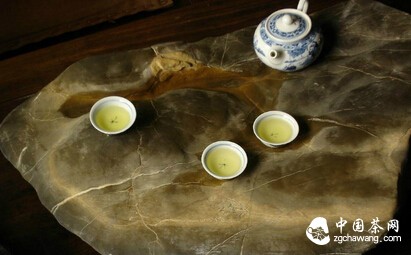
In terms of pure tea, general experience suggests that drinking oolong tea, tuo tea, pu-erh tea, brick tea, and other compressed teas are more conducive to lipid lowering and weight loss. As for health teas, many weight loss teas currently on the market, such as Ninghong Weight Loss Tea, Jianmei Weight Loss Tea, Qizhu Jianmei Tea, and Shanghai Jian Tea, are all based on tea blended with various Chinese herbs like cassia seeds, hawthorn, and lotus leaves, packaged into tea bags. They are convenient to drink, and their efficacy varies from person to person, each with certain indications.
Benefits of drinking black tea

Black tea is made through fermentation and baking. During fermentation, tea leaves turn into red oxides under the action of oxidase, becoming black tea. Black tea has a mild nature and mellow taste. In addition to containing various water-soluble vitamins, it is also rich in the trace element potassium, 70% of which can dissolve into the tea water after brewing. Potassium enhances heart blood circulation and reduces calcium consumption in the body. Because the manganese contained in black tea is one of the essential elements for bone structure, regularly drinking black tea is also beneficial for bone strength. Foreign data reports that regularly drinking black tea can also prevent and treat influenza, stroke, and skin cancer.
Research shows that because black tea contains a type of flavonoid compound, which acts similarly to an antioxidant, it can prevent stroke and heart disease. A latest US study shows: those who drink a cup of black tea every day have a more than 40% lower risk of heart disease compared to those who do not drink tea.
Should not drink tea after meals

Drinking tea immediately after a meal will inevitably dilute gastric juice, affect food digestion, and the tannic acid in tea can coagulate substances in food, adding burden to the stomach and affecting protein absorption. It is best to drink tea one hour after a meal.
Black tea can also fight cancer
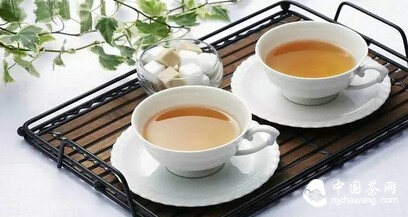
That green tea can induce cancer cells to "commit suicide" has been confirmed by several experiments. So, after processing, most of the tea polyphenols in black tea are oxidized. Does it still have anti-cancer activity? A special study by the Tea and Health Research Office of Hunan Medical University confirmed that black tea also has strong anti-cancer functions.
Often drink tea in front of the screen
Tea contains多种维生素 and some trace elements, even more than many fruits, which have many benefits for human health. Vitamin A in tea is beneficial for restoring and preventing vision decline; Vitamin B2 protects the eyelids, conjunctiva, and cornea of the eyes. Lack of it often causes tearing and blurred vision; Vitamin C is an important nutrient in the lens of the eye. Deficiency can damage the lens, making it cloudy; Vitamin D is directly involved in the synthesis of visual purple in the rod cells of the retina to maintain normal vision. The trace element zinc is necessary for the transport of Vitamin A in the body. If Vitamin D or zinc is insufficient, it will reduce the dark adaptation and color discrimination ability of the eyes.
Can I take medicine with tea?
Whether tea can be used to take medicine cannot be generalized. In most cases, it is not recommended to take medicine with tea, especially certain iron-containing agents (ferrous sulfate, ferrous carbonate, ferric ammonium citrate, etc.), aluminum-containing agents (such as aluminum hydroxide), and protein-based preparations. When these Western medicines encounter polyphenols in tea soup, they will produce combined precipitation, affecting efficacy. Some Chinese herbal medicines such as ephedra and coptis should generally not be taken with tea. In addition, tea contains caffeine, which has a stimulating effect. Therefore, when taking sedative, hypnotic, and antitussive drugs, it is also not suitable to take them with tea to avoid conflict of drug properties and reduce efficacy. It is generally believed that tea should not be drunk within 2 hours after taking medicine.
How many times should a cup of tea be brewed?
Different types of tea have different耐泡程度. In daily life, people often have this experience: very tender high-grade tea is not耐泡, generally after brewing twice, there is little tea flavor left. Ordinary black and green tea can often be brewed 3-4 times. The耐泡程度 of tea is related to the tenderness of the tea leaves. But more importantly, it depends on the integrity of the processed tea leaves. The more finely broken the processing, the easier it is to brew out the tea juice. The coarser and more complete the tea leaves, the slower the tea juice is brewed out. But no matter what tea, the first brewing leaching amount can account for more than 50% of the total soluble substances. The second brewing of ordinary tea is generally about 30%, the third time is about 10%, and the fourth time is only 1-3%. From a nutritional perspective, Vitamin C and amino acids in tea are 80% leached after the first brewing, and more than 95% are leached after the second brewing. Other active ingredients such as tea polyphenols and caffeine are also leached in the largest amount the first time. After three brews, they are basically fully leached. This shows that general black, green, and scented teas are usually brewed three times. Oolong tea can be brewed more times because of the large amount of tea used when brewing; bagged tea processed from black broken tea is suitable for one-time brewing because it is easy to leach.
What are the benefits of washing face and feet with tea?

Washing face and bathing with tea can reduce the occurrence of skin diseases and make the skin glossy, smooth, and soft. Apply tea with gauze on dark circles under the eyes, 1-2 times a day, 20-30 minutes each time, can eliminate dark circles. Washing hands and feet with tea and dregs can prevent chapping, treat eczema, relieve itching, and reduce foot odor for sweaty feet. Washing hair with tea can make hair black, soft, and glossy; brushing eyebrows with tea can make eyebrows thicker and brighter; rinsing mouth with tea can eliminate bad breath, help protect teeth, and prevent oral diseases.
How should patients with stomach problems drink tea?

There are many types of stomach diseases, the most common being superficial gastritis, atrophic gastritis, gastric ulcer, gastric bleeding, etc. Patients with stomach diseases should generally not drink tea when taking medicine. Two hours after taking medicine, drinking some light tea, sugary black tea, or milk black tea can help reduce inflammation and protect the gastric mucosa, and also have a certain effect on ulcers. Drinking tea can also block the synthesis of nitrosamine compounds in the body, preventing precancerous lesions.
Will drinking tea affect the whiteness of teeth?
Drinking tea, especially strong tea for a long time, the polyphenol oxides in tea附着于牙齿表面. If you don't brush your teeth, it will indeed gradually turn teeth yellow, just like a teapot or teacup that has not been cleaned for a long time and has a layer of "tea scale". If you drink strong tea and have smoking habits, it often加剧牙齿的黄化, which is a problem worth noting. However, for general tea drinkers, as long as they don't smoke, pay attention to brushing teeth twice in the morning and evening, and often eat some fruits and other foods appropriately, teeth will never turn yellow.