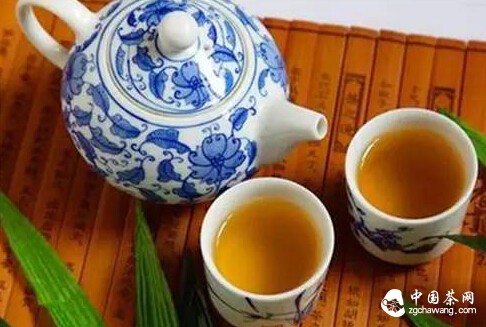
There is a folk saying: "Drink a cup of tea in the morning, and you'll starve the Taiyin household." This "morning" should not be interpreted as drinking tea immediately upon waking. Drinking tea after eight or nine in the morning can aid digestion and refresh the mind, making it the optimal time for tea consumption.
When discussing tea's health benefits, it often refers to drinking tea, meaning the brewed tea water. However, the tea leaves themselves play a crucial role. Tea leaves are beneficial to human health and have anti-aging effects. Ancient Chinese people knew and documented this through observation and practice long ago. The "Shen Nong's Dietary Classic" records "long-term consumption makes one strong and cheerful," and "Miscellaneous Records" also notes "bitter tea lightens the body and transforms the bones."
Modern research confirms that tea contains chemical components essential for the human body and substances with therapeutic effects for certain diseases. Although the daily intake from drinking tea is small, regularly supplementing these substances provides nutritional and healthcare benefits. Therefore, calling tea a natural health beverage is well-deserved.
According to Traditional Chinese Medicine explanations, tea has a sweet and bitter flavor, is slightly cold and non-toxic, and enters the heart, lung, and stomach meridians. It has functions such as dispelling fatigue, clearing the mind and brightening the eyes, promoting salivation and quenching thirst, inducing diuresis and stopping diarrhea, relieving coughs and calming asthma, clearing heat and detoxifying, aiding digestion and weight loss, etc. It is used to prevent and treat hypertension, hyperlipidemia, obesity, coronary heart disease, and to treat indigestion, diarrhea, lethargy, sluggish thinking, edema with reduced urination, difficulty urinating, phlegm asthma and cough, etc. Modern medicine also believes tea has preventive and resistant effects against radioactive damage. Trace elements like manganese, zinc, selenium, vitamins C, P, E, and tea polyphenols in tea can clear oxygen free radicals and inhibit lipid peroxidation, thus regular tea drinking indeed has some life-extending effects. The tannins in tea can maintain normal cell metabolism, inhibit cell mutation and cancer cell differentiation, so drinking tea has certain anti-cancer effects. Lipopolysaccharides in tea can prevent radiation damage, improve hematopoietic function, and protect blood vessels. They can enhance microvascular toughness, prevent rupture; lower blood lipids, and prevent atherosclerosis.
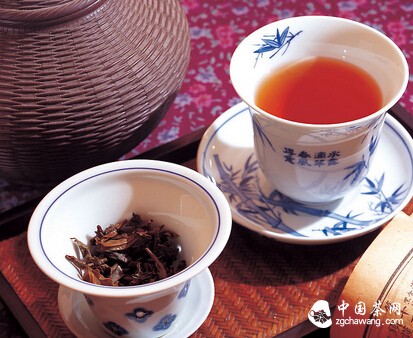
Tea leaves contain rich chemical components, making them a natural beauty beverage. Regularly drinking tea helps keep skin bright, white, and tender, delays the appearance of facial wrinkles, and reduces existing wrinkles.
Although traditional medicine considers tea non-toxic with very few side effects, modern science tells us that long-term excessive consumption of tea is detrimental to health. Summarized, the harms of excessive tea drinking are threefold: First, it can damage essence and blood, and cool the spleen and stomach; second, it may exacerbate thirst conditions; third, drinking tea on an empty stomach directly enters the kidney meridian, which is not good for the kidneys.
Additionally, some aged teas or improperly stored teas might contain Aspergillus flavus, some strains of which are considered potent carcinogens. However, well-preserved teas generally do not contain Aspergillus flavus.
Tea is basically divided into 6 types: Black tea, Yellow tea, Green tea, White tea, Dark tea, Oolong tea.
Black Tea
Black tea is created by fermenting green tea. It uses suitable young tea leaves as raw material, processed through typical steps like withering, rolling (cutting), fermenting, and drying. It is named black tea because the dry tea leaves and the brewed tea soup are predominantly red. It can mainly be divided into three categories: Congou black tea, Souchong black tea, and broken black tea.
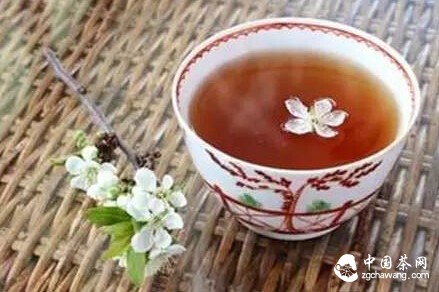
Black tea can help with gastrointestinal digestion, promote appetite, act as a diuretic, eliminate edema, and strengthen heart function. In disease prevention: Black tea has strong antibacterial power; gargling with black tea can prevent colds caused by filterable viruses, prevent tooth decay and food poisoning, and lower blood sugar and high blood pressure. It is one of the beverages rich in flavonoids which eliminate free radicals and have antioxidant effects, potentially reducing the incidence of myocardial infarction.
Yellow Tea
Yellow tea is a tea with a processing technique slightly different from green tea, involving an additional step called "men dui" or "piling and yellowing." After piling, the leaves turn yellow, and are then dried. Yellow tea brews into a yellow soup with yellow leaves. It is further divided into small leaf yellow tea and large leaf yellow tea based on the tenderness of the fresh leaves.
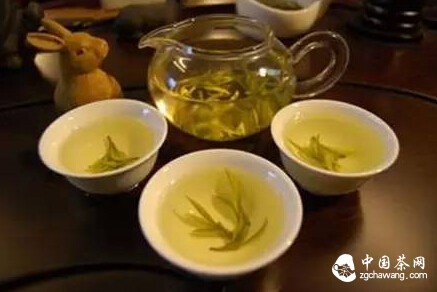
Yellow tea is a piled tea. During the piling process, it produces a large amount of digestive enzymes, which are most beneficial for the spleen and stomach. Indigestion, poor appetite, lethargy, and obesity can all be alleviated by drinking it. Yellow tea is rich in tea polyphenols, amino acids, soluble sugars, vitamins, and other nutrients, showing significant efficacy in preventing esophageal cancer. Furthermore, yellow tea retains over 85% of the natural substances from the fresh leaves, and these substances have special effects in preventing cancer, fighting cancer, sterilizing, and reducing inflammation, surpassing other teas.
Green Tea
Green tea, also known as non-fermented tea, is made from suitable tea tree shoots through typical processes like fixation (killing the green), rolling, and drying. It is named green tea because the dry tea leaves, the brewed tea soup, and the tea residue are primarily green. It is generally divided into four types: pan-fried green tea, oven-dried green tea, sun-dried green tea, and steamed green tea.
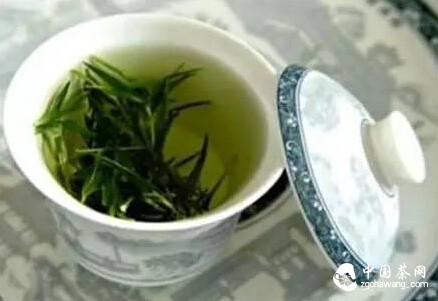
Green tea is unfermented, thus it retains more of the natural substances of the fresh leaves. It contains more nutritional components like tea polyphenols, catechins, chlorophyll, caffeine, amino acids, and vitamins. These natural nutrients in green tea have special effects such as anti-aging, cancer prevention, anti-cancer, sterilization, and anti-inflammation, which are not matched by other tea types.
White Tea
White tea is a slightly fermented tea. It uses buds and leaves particularly rich in white hairs (pekoe), processed by a specific fine method without rolling or frying. The fresh leaves for white tea require "three whites," meaning the tender bud and two young leaves all show white hairs. The finished tea is covered with fine hairs, white as silver, hence the name white tea. Based on the tea plant variety and picking standards, white tea is divided into bud tea and leaf tea.
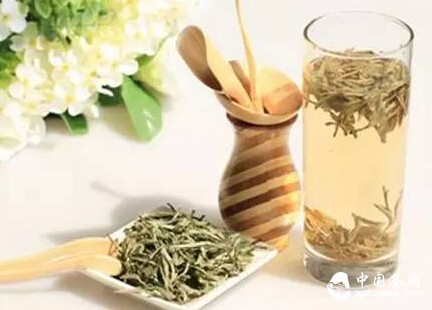
White tea efficacy includes three resistances (anti-radiation, anti-oxidation, anti-tumor) and three reductions (lowering blood pressure, lowering blood lipids, lowering blood sugar) for health benefits. It also has nourishing effects on the heart, liver, eyes, spirit, qi, and complexion.
Oolong Tea
Oolong tea, also known as blue-green tea, is a tea category with distinct characteristics among China's major tea classes. It is produced from the same tea plant as green tea, with the biggest difference being the fermentation process. Because catechins in tea leaves combine with each other as the fermentation temperature rises, causing the tea's color to darken, but thereby reducing the astringency of the tea.
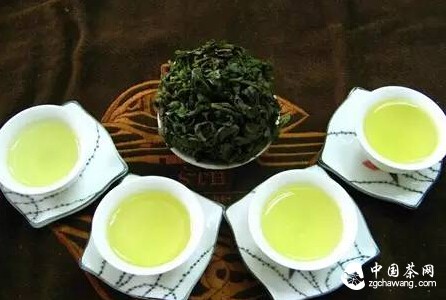
As China's special famous tea, modern scientific research confirms that besides the general health functions of tea like refreshing the mind, eliminating fatigue, promoting salivation and diuresis, relieving heat and preventing sunstroke, sterilizing and reducing inflammation, dispelling cold and relieving alcohol, detoxifying and preventing disease, aiding digestion and removing greasiness, weight loss and body shaping, Oolong tea is particularly突出 highlighted in its special effects such as preventing cancer, lowering blood lipids, and anti-aging. In addition, Oolong tea also has effects on beauty, detoxification, facilitating bowel movements, antioxidant activity, and eliminating active oxygen molecules in cells.
Dark Tea
Dark tea uses relatively coarse and old raw materials and is the main raw material for pressing compressed teas. Because the raw materials are comparatively coarse and old, the manufacturing process often involves pile-fermentation for a longer time, so the leaves mostly appear dark brown, hence the name dark tea. It is one of the six major tea types, belonging to fully fermented tea. Main varieties include Hunan dark tea, Hubei Laobian tea, Sichuan border tea, Guangxi Liubao loose tea, Yunnan Pu-erh tea, etc.
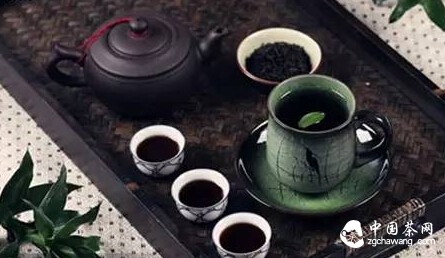
Dark tea, formed with the participation of microorganisms during the pile-fermentation process, has significantly different internal components compared to black and green tea, resulting in different functions. It has significant efficacy in lowering blood lipids, lowering blood pressure, lowering blood sugar, weight loss, preventing cardiovascular diseases, and anti-cancer. Research indicates that the special health benefits of dark tea are related to its relatively rich content of tea polysaccharides.